A Landmine Hell
지뢰의 지옥
Some are in the DMZ. Some are in Seoul city parks. Most have been there since 1953.


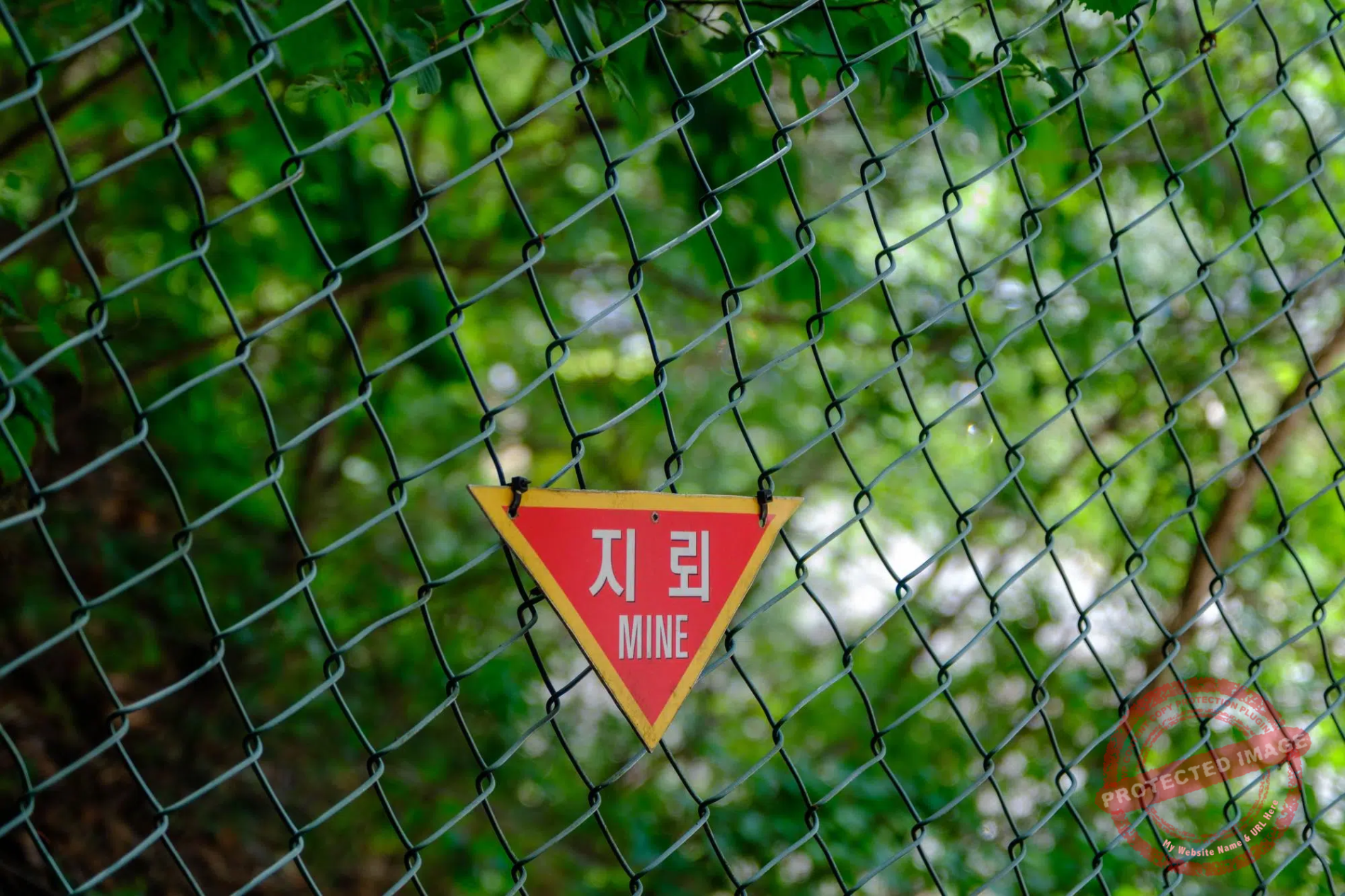
The Korean Peninsula has one of the highest mine densities in the world, comparable to other former war zones like Cambodia, Afghanistan and Angola. Estimates suggest the DMZ still contains between 800,000 and one million landmines, many dating back to the Korean War, in addition to around one million unexploded ordnance. Neither North Korea nor South Korea knows exactly how many mines they have laid or where they are located.
The Arrowhead Hill, in Cheorwon, is the sector with the highest density: a mind-boggling 2.3 mines per square meter.
Among the deadly devices found in the border area is the hard to detect, U.S. designed M14, nicknamed “the toe popper”, a palm-sized, plastic-cased blast mine designed not to kill, but to maim by tearing off a foot when stepped on. The reasoning is simple: a seriously wounded soldier, who must be evacuated and treated, delays the enemy more than a dead soldier who can be left behind.
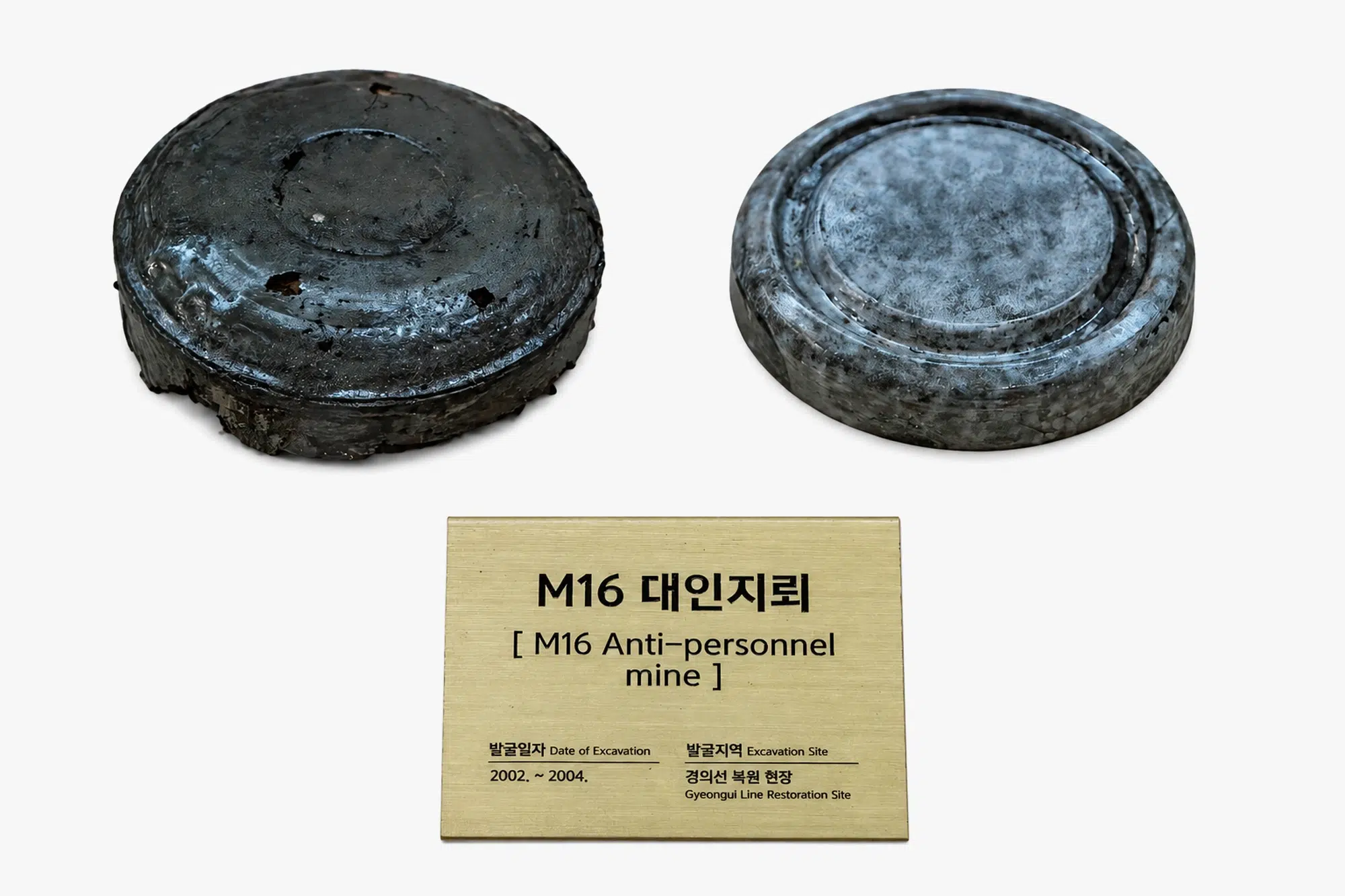
There is also the theatrical and terrifying M16: a bounding fragmentation mine that leaps to roughly knee height when triggered by pressure on the prongs or a tripwire before bursting, spraying schrapnel in all directions to produce multiple casualties within 30 meters.
The anti-personnel and anti-tank mines in the border area are not all direct remnants of the Korean War. Tens of thousands of land mines were planted in the DMZ by both Koreas and the United States from around 1962 to prevent infiltrations, violating the armistice.
North and South Korea are among the few countries that have not joined the 1997 Ottawa Convention on the prohibition of anti-personnel mines and on their destruction. This treaty requires signatories to clear their territory of all anti-personnel mines within ten years of ratification, an impossible task on the Korean peninsula: It is estimated that if it began now, the mine clearance effort for South Korea would take nearly 500 years to complete. As for the United States, which has also not ratified the Ottawa Treaty, its policy since 2022 prohibits the use of anti-personnel mines anywhere in the world, except in the Korean Peninsula.
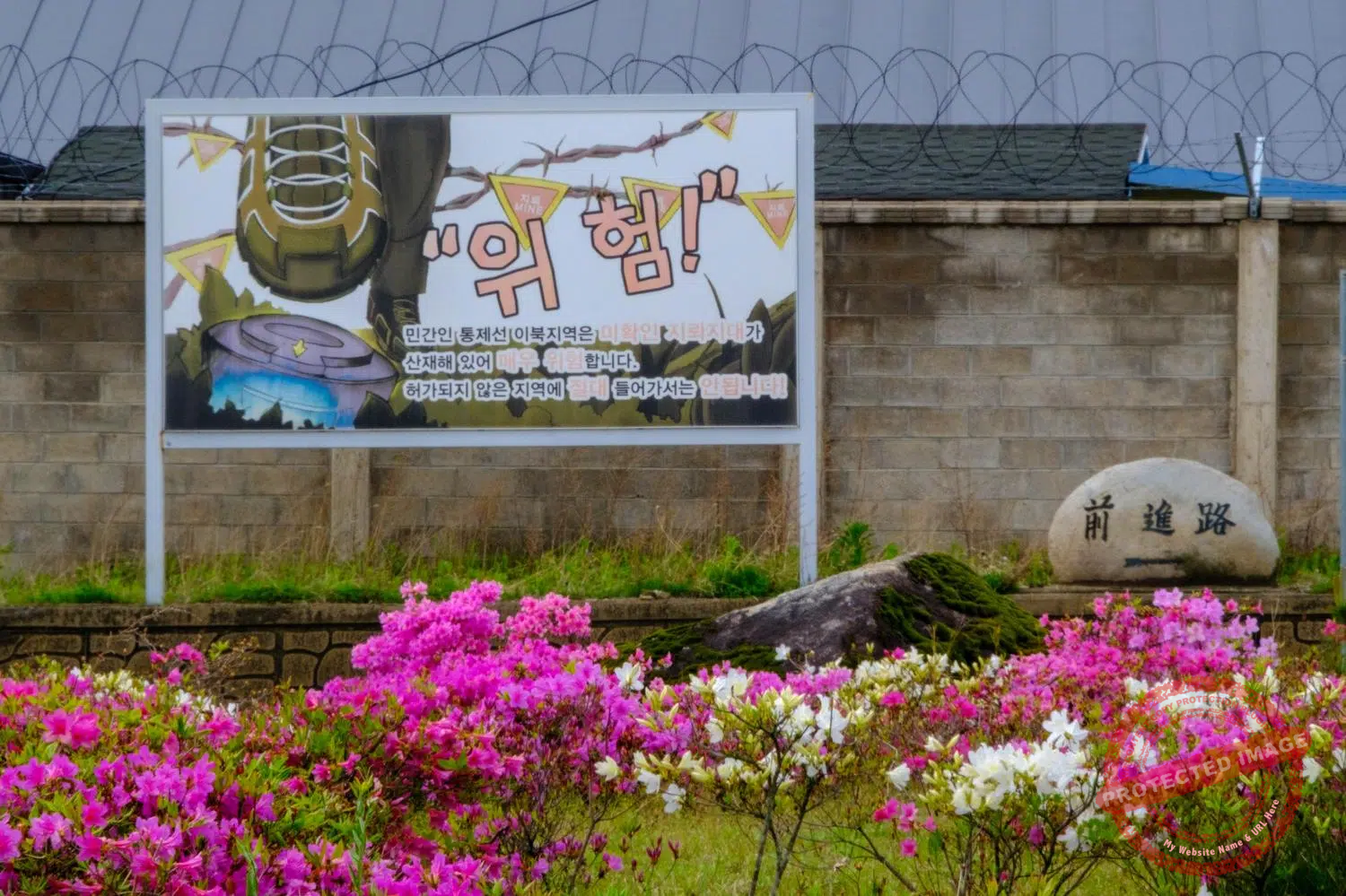
“Danger!”: A poster warns of mines in areas near the border in Yanggu (May 2025).
Despite pockets of demining, like the Joint Security Area, the vast majority of minefields in Korea remain intact in rugged terrain. Minefields can even be found in some parks inside Seoul, like Mount Umyeon, in the Seocho District. According to the Mine Action Review research institute, there were 1,308 such areas in 2021, covering a total area of 128 square kilometers, or nearly one and a half times the size of Manhattan. And due to rising tensions, North Korea began laying mines again in 2024 in areas of the DMZ that it had previously cleared.
Minefields in South Korea are clearly marked, but that does not mean the danger has been completely eliminated.
An M14 mine is only 56 mm in diameter and, made mainly of plastic, weighs less than 100 grams. Floods or landslides can easily bring them back to the surface and carry them outside the restricted areas.
In addition, mines planted in the DMZ or on the coasts sometimes wash up on beaches and riverbanks in the South, especially during the summer monsoon season. Some have a wooden body that allows them to float when carried away by water. Others, made of plastic, are shaped like a leaf.
Official statistics on landmine casualties do not exist, but activists estimate that mines have killed or injured around 1,000 civilians and between 2,000 and 3,000 military in the country since 1953.
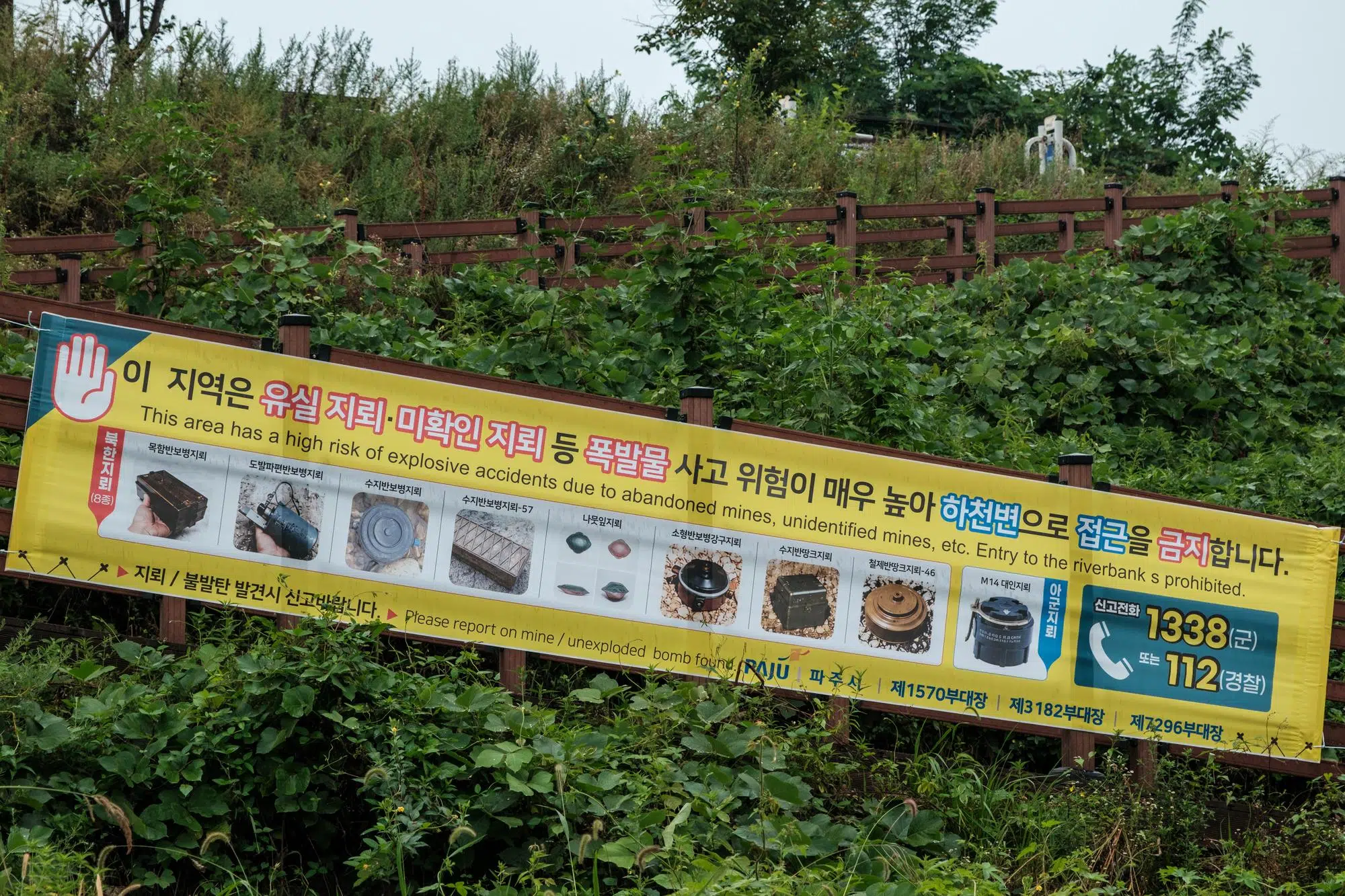
During the summer rainy season, the Imjin River—which originates in North Korea and flows through the DMZ—regularly carries North Korean landmines swept along by rising waters. A sign in the border town of Paju warns of these devices and explains how to recognize them (August 2026).
This post was last updated on : August 24, 2026.