Resources


A selection of films, books and other documents on the inter-Korean border and the Demilitarized Zone (DMZ).
Books
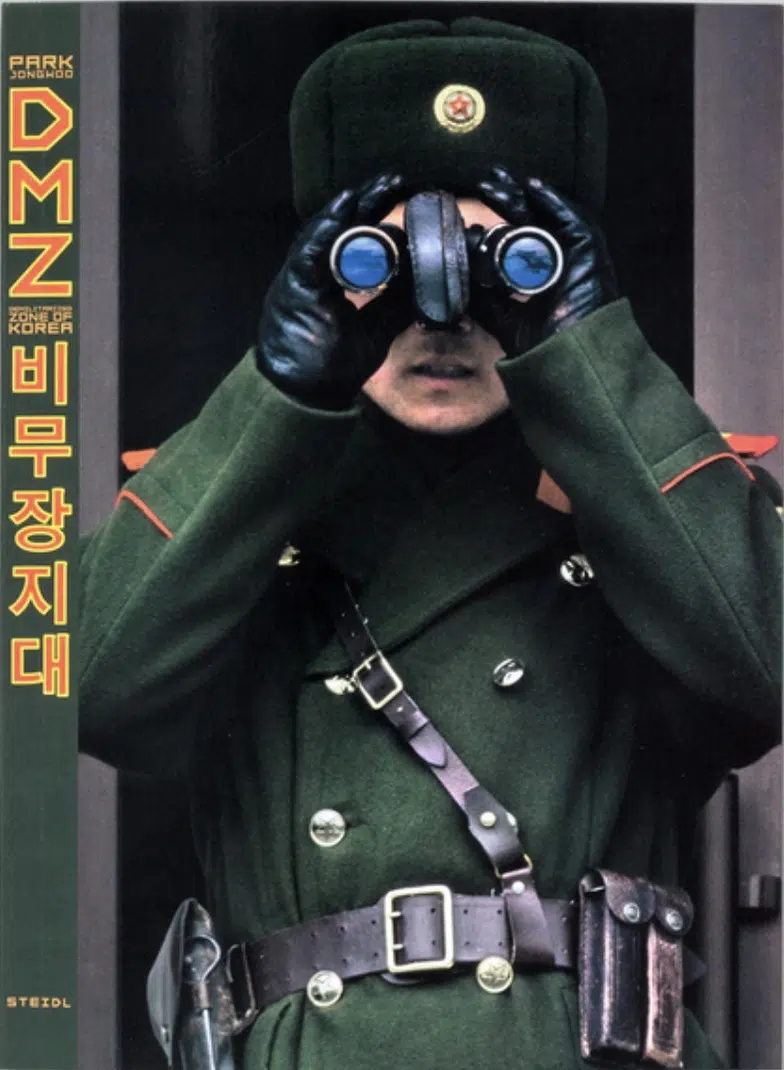
DMZ, by Park Jongwoo
A reference, a bedside book, the fruit of three years’ work by South Korean photographer Park Jong-woo, who was commissioned by the Ministry of Defense from 2009 to 2012 to document the DMZ for its 60th anniversary. The landscape and situation have changed a great deal since it was first published, but it remains a stunningly beautiful and exceptional historical document.
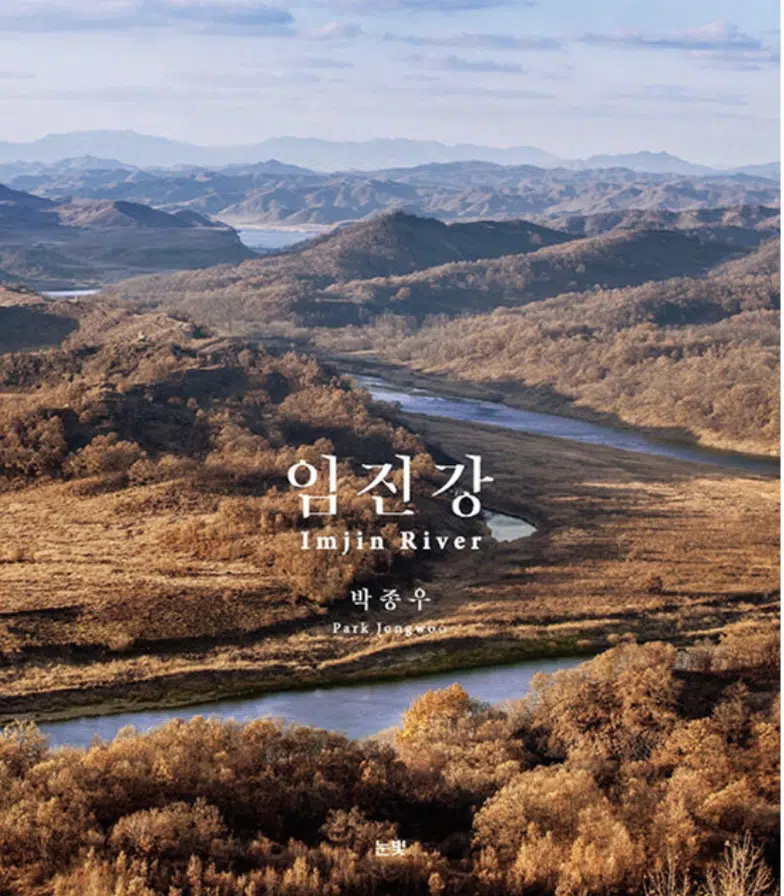
Imjin River, by Park Jongwoo
By the same author as the previous book on the DMZ. This one is a photographic work on the Imjin River, which rises in North Korea, passes into South Korea before forming the border between the two countries, merging with the Han River and flowing into the Yellow Sea. “No other divided river like the Imjin River flows with national sorrow in this divided country”, Park writes.
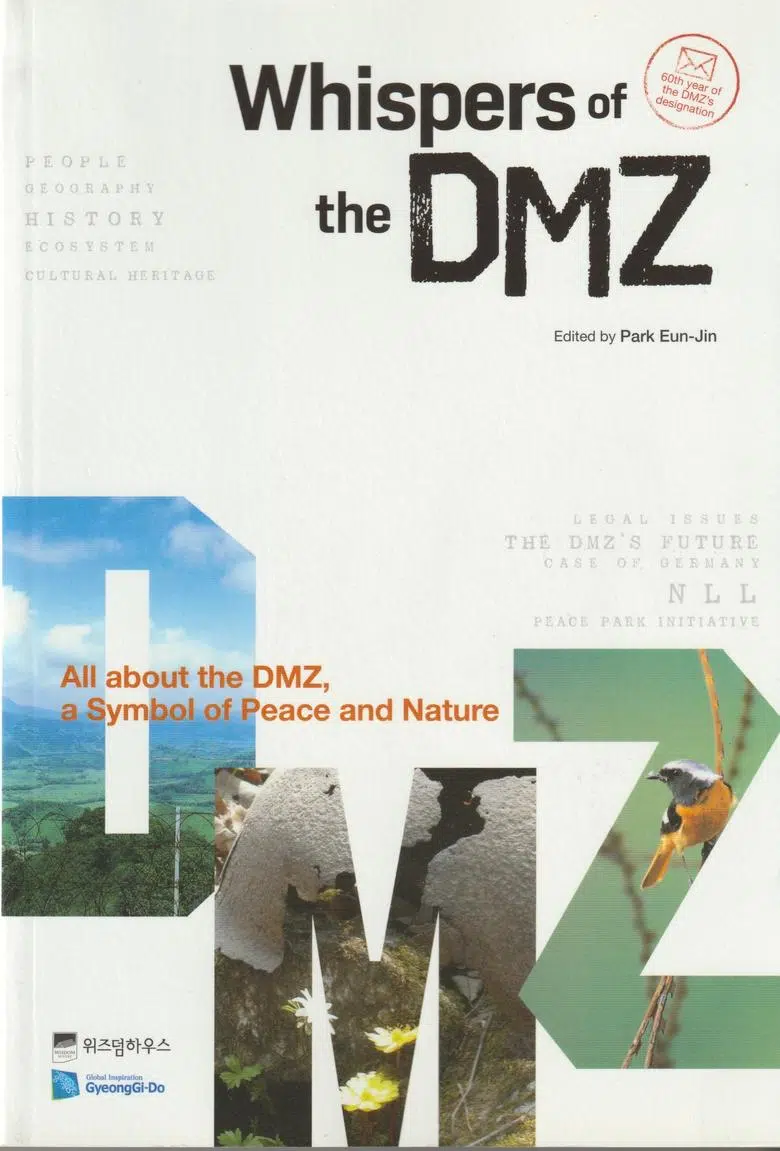
Whispers of the DMZ, by Park Eun-jin
A comprehensive guide to the DMZ and its surroundings, covering a wide range of features such as geography, ecology, cultural heritages, the lives of the people inside the border area, legal issues and regional planning policies. This 315-page book was published in 2013 for the 60th anniversary of the DMZ. Unfortunately, I only discovered its existence at the end of my project, as it is not very well known nowadays. But to my knowledge, this is the most comprehensive and well-thought-out English-language work on the subject, and remains largely relevant even more than a decade after its publication.
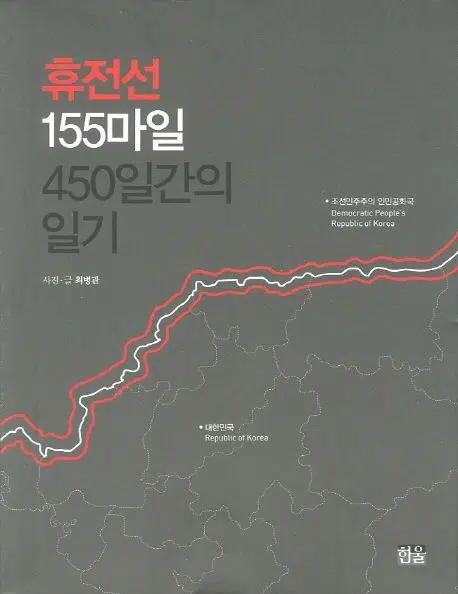
휴전선 155마일, 450일간의 일기 (Ceasefire Line 155 Miles, A 450-Day Diary), by Choi Byung-kwan (최병관 )
In the late 1990s the South Korean Army launched the “155 Miles of Armistice Line” project to photograph the DMZ area for the first time since the division of the peninsula. The selected photographer, Choi Byung-kwan, a civilian, documented the frontline regions for 450 days under military protection, which earned him the nickname “DMZ Photographer”. This book in Korean compiles the diary and photographs of Choi, who covered the 155-mile border from West to East between 1996 and 1998.
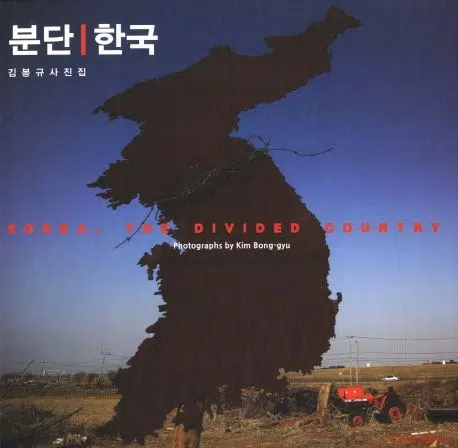
Korea, the Divided Country, by Kim Bong-gyu
Another famous photobook, this one by veteran Korean photojournalist Kim Bong-gyu who documented his country for 34 years before retiring in 2024. His long-term subject is not only the border itself, but also what the division left behind: families separated forever, exhumed bodies, extreme political polarization… A project that has spanned decades, and a useful counterpoint to the landscape-driven DMZ photography that dominates the genre (in Korean only).
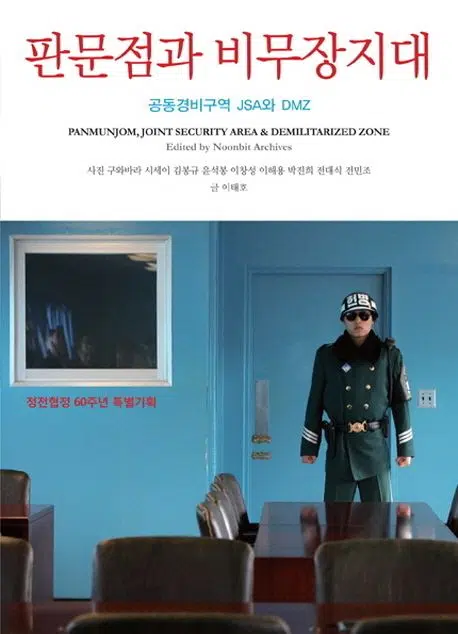
Panmunjom, Joint Security Area & Demilitarized Zone
This book provides a detailed compilation of the history and events of Panmunjeom and the Demilitarized Zone through text (Korean only) and over 500 archival images from various photographers edited by Noonbit, South Korea’s only publisher dedicated exclusively to photobooks.
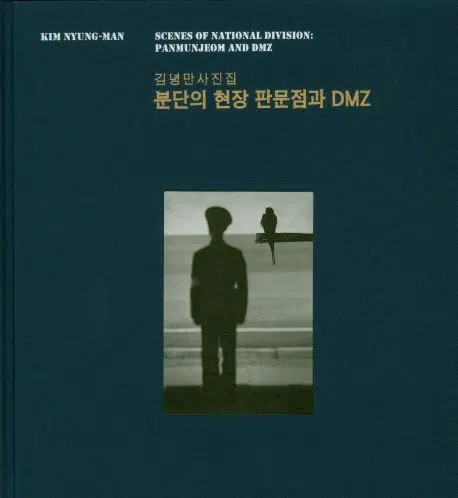
Scenes of National Division: Panmunjeom and DMZ, by Kim Nyeong-man
Published in 2018, this photo book by South Korean photographer Kim Nyeong-man follows a narrative journey from the Joint Security Area in Panmunjeom to the wooded areas of the DMZ. The book has been praised for its simple style and historical significance.
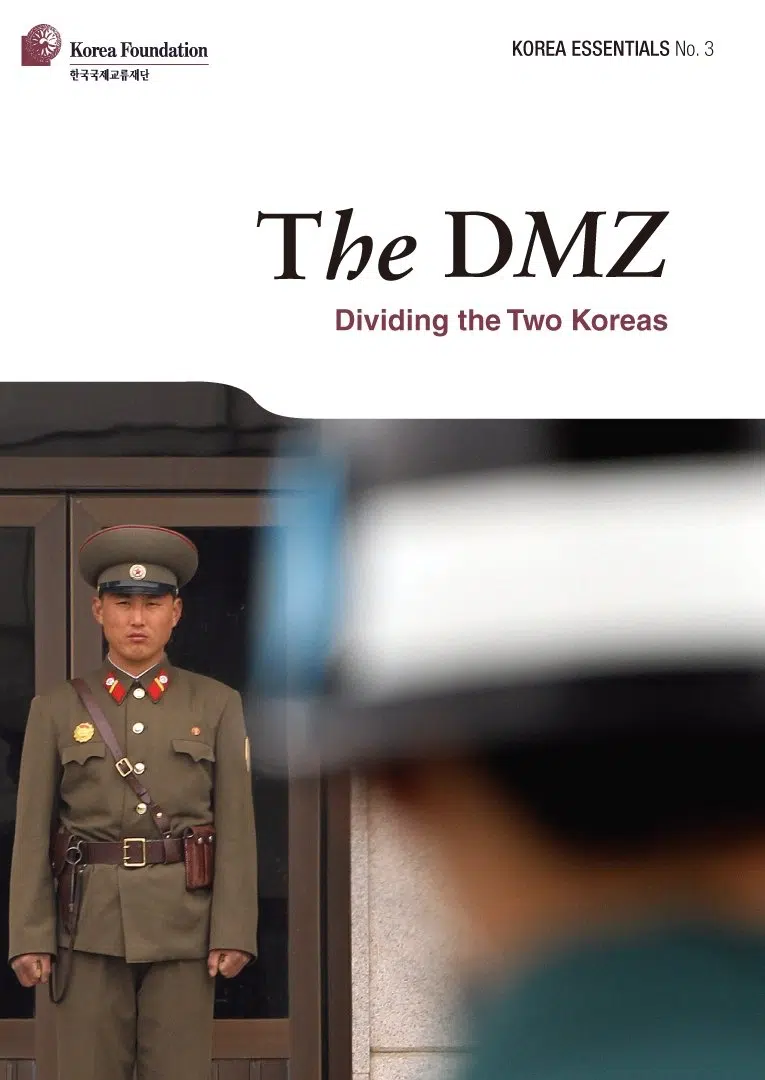
The DMZ, by Barry Welch
A concise, illustrated introduction to the Korean Division. As part of the Korea Essentials series by the Korea Foundation, the book offers historical context on the Korean War and the 1953 armistice that created the DMZ, while also exploring the political and symbolic weight the border continues to carry today.
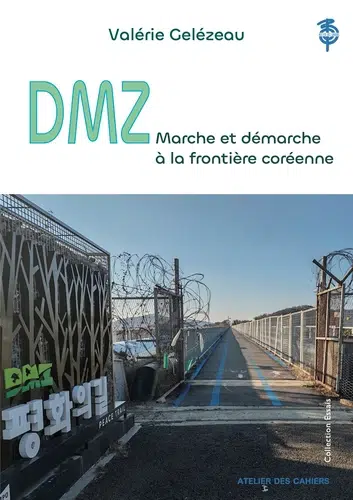
DMZ – Marche et démarche à la frontière coréenne, by Valérie Gelézeau
In this 2026 untranslated essay in French, geographer Valérie Gelézeau combines travel writing, field research, and cultural geography to explore the landscapes shaped by the division of the Korean Peninsula. Based on a 490-kilometer walk along the DMZ Peace Trail between 2024 and 2025, the book blends scholarly analysis with a personal travel diary to examine how people inhabit and reinterpret territories marked by war, militarization, and separation.
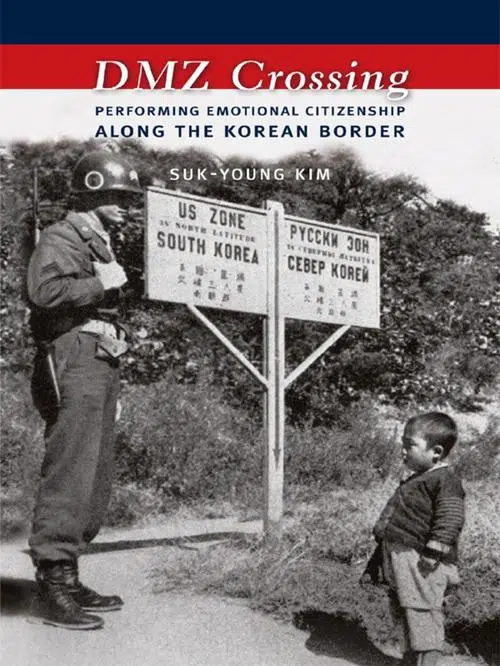
DMZ Crossing, by Suk-young Kim
This book by Suk-Young Kim, a professor at University of California, focuses on a selection of people who have crossed the inter-Korean border and assesses “the citizenship they acquire based on emotional affiliation rather than constitutional delineation”. It highlights the fact that, although the Korean DMZ is one of the most heavily guarded places on earth, it also provides passage for thousands of defectors, spies, political emissaries, war prisoners, activists, tourists and others testing the limits of Korean division.
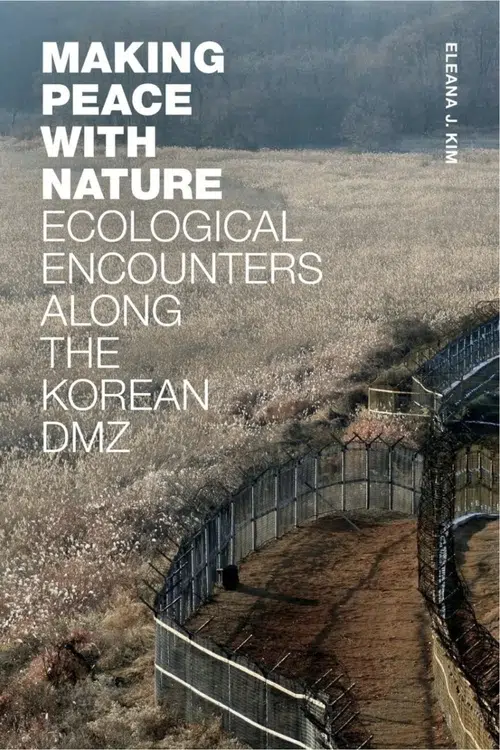
Making Peace with Nature: Ecological Encounters along the Korean DMZ, by Eleana J. Kim
Drawing on ethnographic fieldwork with ecologists, scientists, and local residents, the author of this study focuses on irrigation ponds, migratory bird flyways, and land mines in the South Korean DMZ area, demonstrating how human and nonhuman ecologies interact and transform in spaces defined by war and militarization.

When Spring Comes to the DMZ, by Uk-Bae Lee
This picture book invites young readers into the natural beauty of the DMZ, helping introduce children to the unfinished history of the Korean Peninsula. Uk-Bae Lee shows the DMZ through the eyes of a grandfather who returns each year to look out over his beloved former lands, waiting for the day when he can get them back.
Movies & TV Series

Joint Security Area
The first masterpiece from Park Chan-wook, the director of Old Boy and Decision to Leave. Released in 2000, Joint Security Area has not aged a day over a quarter of a century later and remains a cult film. The movie is set in the DMZ and revolves around a fatal shooting incident involving soldiers from South and North Korea, which leads the Neutral Nations Supervisory Commission to investigate and gradually unveil the unexpected truth. Disconcertingly constructed, like a jigsaw puzzle whose pieces are gradually pieced together by dint of flashbacks, this monument to subtlety and emotion was a huge commercial success in South Korea when it was released. A DVD of the movie was presented to North Korea’s leader Kim Jong Il by South Korea’s President Roh Moo-hyun during a rare summit in October 2007 in Pyongyang.
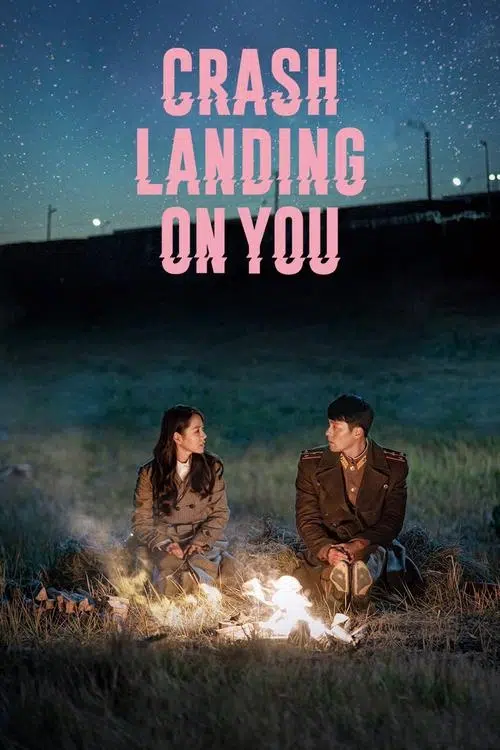
Crash Landing On You
This 2019 k-drama series directed by Lee Jung-hyo follows Yoon Se-ri, a South Korean chaebol heiress who paraglides off course and lands in the northern side of the Demilitarized Zone, where she’s found and sheltered by Ri Jeong-hyeok, a North Korean army captain. As he works to get her back across the border undetected, the two fall in love. Crash Lading On You is one of the most successful Korean television dramas ever produced. It renewed international interest in the Korean DMZ and North Korean themes. The two lead actors, Son Ye-jin (the heiress) and Hyun Bin (the officer) ended up getting married in real life.

DMZ, Demilitarized Zone
Directed by Lee Gyu-hyeong, this 2004 movie is based partly on his own military service in a DMZ search unit during the tense months following the assassination of South Korean president Park Chung-hee in 1979. More grounded and militaristic than JSA.

DMZ – The Wild
One of the best-known nature documentaries about the DMZ. Narrated by South Korean actor Lee Min-ho, it documents wildlife flourishing in the militarized no-man’s-land: cranes, bears, musk deer, and rare ecosystems.
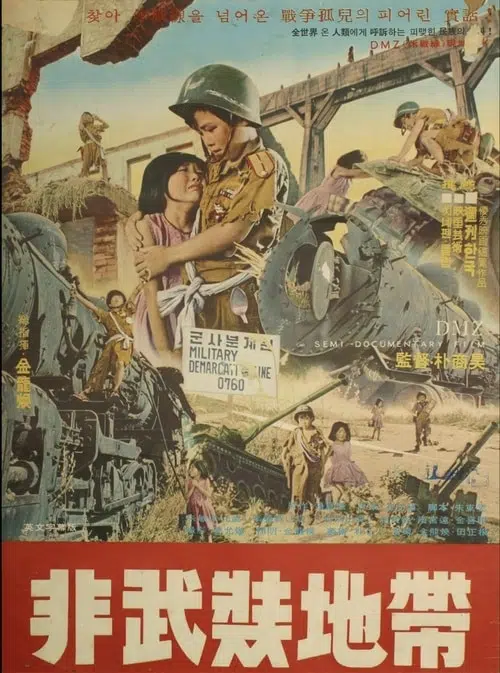
The DMZ
A classic anti-war 1965 film by Park Sang-ho. Two children wander through the devastated DMZ after the Korean War, confronting land mines, corpses, and surviving soldiers. It is stark, minimalist, and deeply pessimistic about war.
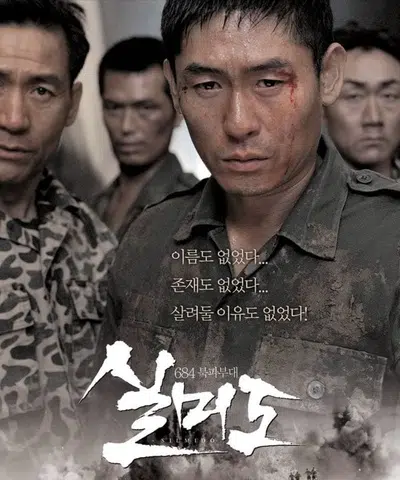
Silmido
This 2003 drama by South Korean director Kang Woo-suk is based on the true story of 1968 Korean Republic Army plan to assassinate North Korean president Kim Il-Sung. 31 criminals and death row inmates are recruited into secret training on the island of Silmido and subjected to mental and physical abuse before their mission is cancelled. The release of the film, which was a huge hit in South Korea, forced the authorities to acknowledge embarrassing historical facts for the first time.

Hijack 1971
This 2024 thriller movie directed by Kim Seong-han is also based on a true story: the hijack of a Korean Air F-27 airliner in 1971 during a domestic flight by a North Korean sympathizer armed with hand grenades, who attempted to divert the aircraft to Pyongyang.
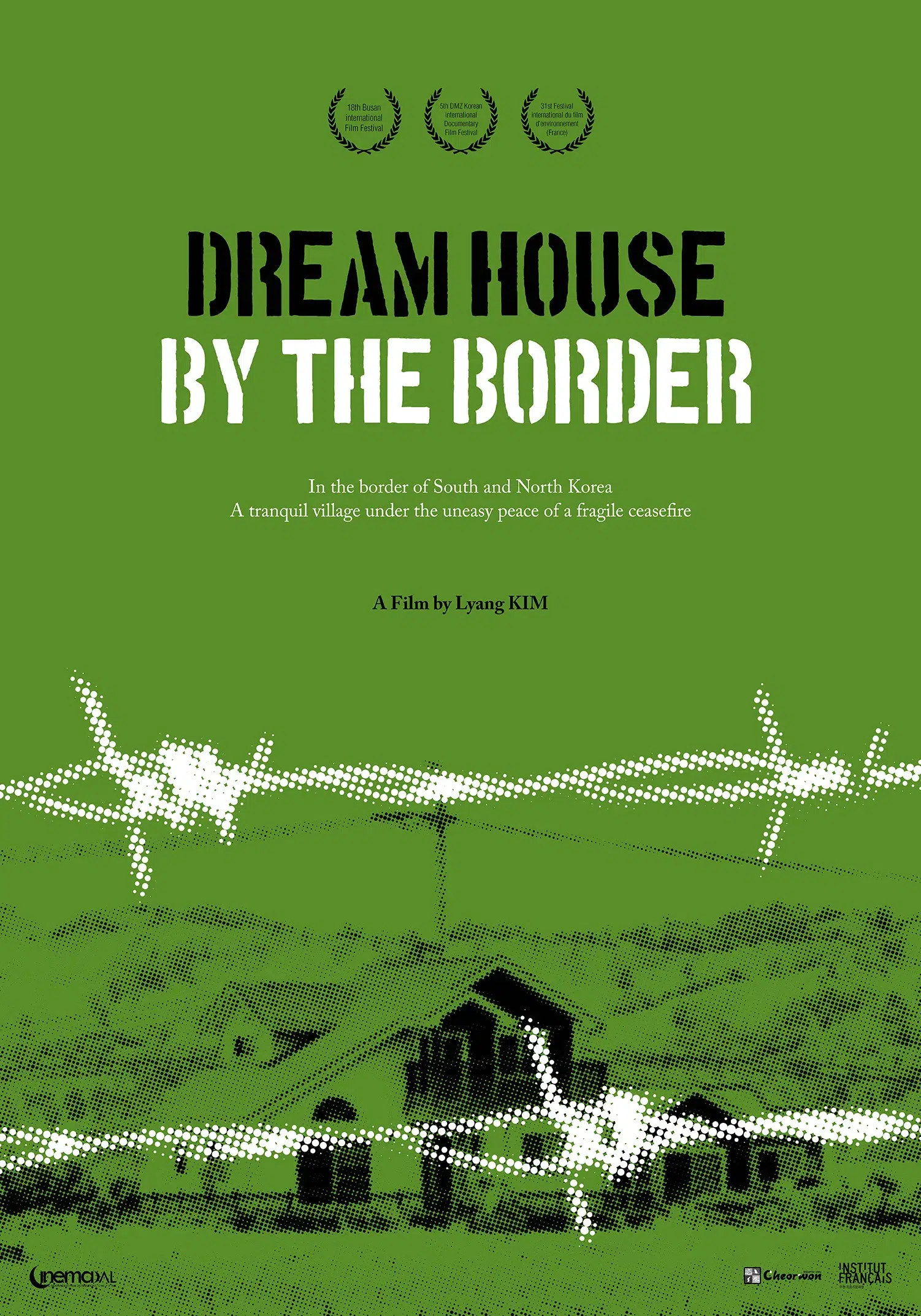
Dream House by the Border
This 2013 documentary by Korean director Kim Lyang (the daughter of a North Korean refugee) features testimonials from the first and second generation residents of villages in Cheorwon, near the DMZ.

6/45
In this hilarious 2022 comedy directed by Gyu Tae-park, a South Korean soldier accidentally drops a winning lottery ticket worth 5.7 billion won, which is blown north of the demarcation line by a gust of wind.
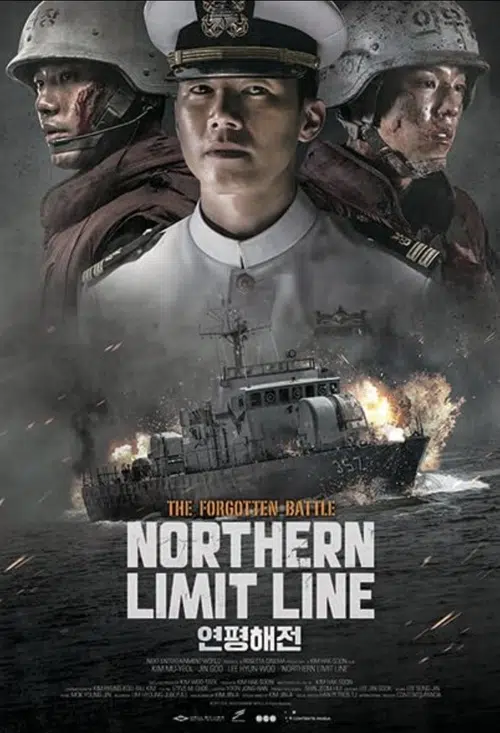
Northern Limit Line
Thus 2015 naval thriller film written and directed by Kim Hak-soon is based on the real-life events of the Second Battle of Yeonpyeong, a confrontation between North Korean and South Korean patrol boats in 2002 along the disputed maritime boundary near Yeonpyeong Island in the Yellow Sea.
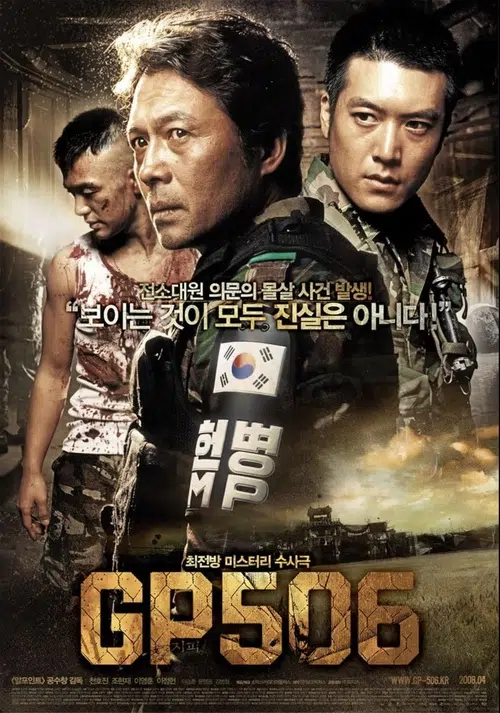
The Guard Post (GP506)
Zombies in the DMZ: a group of soldiers in the remote GP506 are discovered brutally massacred and mutilated on a stormy night, with only one survivor. A military police officer is sent to investigate. A gory 2008 horror movie by South Korean director Kong Su-chan.

Take Point
A 2018 action movie directed by Kim Byung-woo. On the day of the U.S. presidential election in 2024, a team of elite mercenaries embark on a secret CIA mission to abduct North Korea’s Armed Forces Minister in an underground bunker below the DMZ. However, they get caught in the crossfire which causes tensions to escalate to the brink of World War III.
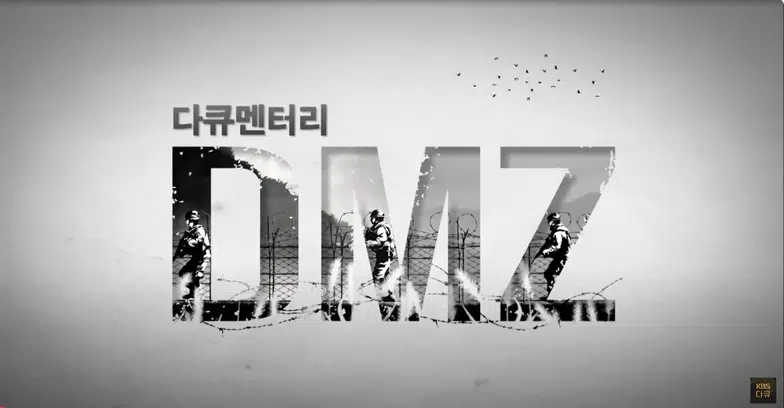
DMZ : The Unfinished War
Full title: DMZ Documentary – 60th Anniversary of the Korean Armistice: The Unfinished War (정전 60년 특집 [다큐멘터리 DMZ]). A huge four-part, three-hour documentary released by South Korean public broadcaster KBS in 2013 to mark the 60th anniversary of the Armistice.
WATCH ON YOUTUBE (Korean Only)
Another fascinating KBS documentary released in 2019, when relations between the two Koreas were undergoing an upturn and military personnel from both sides were meeting in the DMZ to reduce tensions, is available on YouTube here.
More films related in one way or another to the inter-Korean border are included in a list published by the South Korean newspaper JoongAng Daily in 2026.
Websites
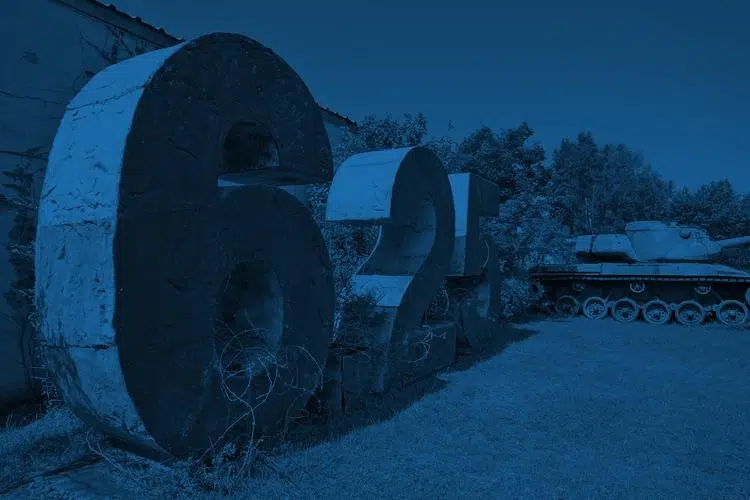
Exploring Korea
Exploring Korea: Stories from Milwaukee to the DMZ and across a divided peninsula is a huge, 72-chapter editorial series published in 2024 by the Milwaukee Independent, that traces the human legacy of the Korean Division. It pairs field documentation along the DMZ with localized oral histories, and explores the psychological weight of the border through the eyes of defectors, Korean War veterans, and soldiers who served at forward guard posts.
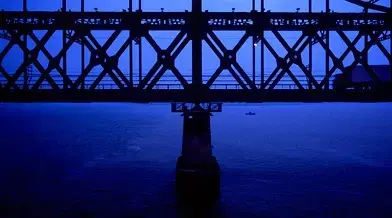
Borderland: In the Shadow of North Korea
In this 2013 reporting project supported by the Pulitzer Center and the Magnum Foundation, photographer Tomas van Houtryve explores the North-South Korean border and the DMZ, as well as the 1,400 km Sino-Korean border. His work also includes a powerful series of portraits of North Korean defectors, taken in South Korea or in secret safe houses in China.

Eunhee Park
The YouTube channel of Park Eunhee, a North Korean defector and author of the book The Courage to Die. A wealth of information on daily life in North Korea and what it’s like for a North Korean refugee to navigate South Korea’s capitalist and hypercompetitive society.
Real DMZ Project
A contemporary art project that explores the visible and invisible boundaries of the Demilitarized Zone and the border region between North and South Korea. Launched in 2011 with its first exhibition held in 2012, the Real DMZ Project has broadened the scope of its research to include examinations of the different forms of boundaries present within South Korean society.

NK News
The leading English-language media outlet on North Korea. Many articles deal with the inter-Korean border (paywall).

DMZ Portal
A South Korean government portal on the border areas (basic information, notices, press releases, links to regional tourism organizations, etc.) In Korean with a patchy AI-generated English translation.
Institutions and think tanks
Inter-Korean relations and North Korea:
- 38 North: A program of the Stimson Center providing in-depth analysis of North Korean affairs, including a Digital Atlas and satellite-imagery-based research on the DPRK.
- Parley Policy Institute: A policy research forum focused on negotiation, diplomacy, and peacemaking, publishing analysis on conflict resolution and postwar policy, including pieces specifically addressing inter-Korean policy debates and North Korea’s nuclear posture.
- National Committee on North Korea (NCNK): A U.S.-based nonprofit that promotes engagement with North Korea and maintains a curated directory of organizations, think tanks, and resources focused on the DPRK and inter-Korean issues.
- Korea Institute for National Unification (KINU): A South Korean government-funded think tank established in 1990, conducting research on Korean unification policy, inter-Korean relations, and North Korean studies, including its annual White Paper on Human Rights in North Korea.
- North Korea International Documentation Project (NKIDP), Wilson Center: Part of the Wilson Center’s History and Public Policy Program, NKIDP disseminates declassified archival documents on North Korea from its former communist allies, covering the Korean War, DPRK foreign relations, and inter-Korean history.
- Sejong Institute: A South Korean think tank founded in 1983, dedicated to national security and unification strategy, regional affairs, and international political economy, with particular expertise on inter-Korean relations and North Korean politics.
- East Asia Institute (EAI): An independent, non-profit South Korean think tank founded in 2002, based in Seoul, conducting research on regional security, democracy, and international relations in Northeast Asia, including inter-Korean and North Korean issues.
- Asan Institute for Policy Studies: An independent, non-partisan South Korean think tank founded in 2008, focused on national security and foreign policy research aimed at peace and stability on the Korean Peninsula and Korean reunification.
- Nautilus Institute for Security and Sustainability: A public policy think tank with nodes in Berkeley, Melbourne, and Seoul, addressing security and sustainability issues on the Korean Peninsula, including North Korea’s nuclear program and inter-Korean security dynamics.
- Korea Economic Institute of America (KEI): A Washington, D.C.-based think tank founded in 1982, dedicated to promoting understanding of U.S.-Korea economic, political, and security relations, publishing regular analysis on North Korea and inter-Korean policy.
Border studies:
- Association for Borderlands Studies (ABS): Founded in 1976, ABS is the leading international scholarly association dedicated to the interdisciplinary study of international borders, border regions, and borderland communities. It publishes the Journal of Borderlands Studies and maintains a network of over 300 member institutions worldwide.
- IBRU – Centre for Borders Research, Durham University: Established in 1989, IBRU is a leading research centre on international boundary-making and dispute resolution, combining legal and geographic analysis of borders. It offers professional training, cartographic resources, and research on border management issues worldwide.
- UniGR-Center for Border Studies: A joint research centre of the University of the Greater Region (Saarland, Luxembourg, Lorraine, Trier, Liège) dedicated to interdisciplinary border studies, with a focus on cross-border cooperation, mobility, and European border regions.
- Eur-Asian BorderLab: A Horizon-funded academic network advancing trans-regional border studies, connecting scholars working on borders across Europe and Asia through research, conferences, and a summer school programme.
- De Facto: An independent platform exploring unrecognized states, micronations, and contested or de facto territories through articles, events, and multimedia storytelling.
- Border Studies Research Group: A research network linking scholars working on border zones, mobility, and displacement, with a primary focus on Africa and a decolonial, interdisciplinary approach to border studies.
- Estudios Fronterizos: A Spanish-language border studies platform founded in 2010, linked to the Universidad Autónoma de la Ciudad de México (UACM). It combines theoretical reflection and academic writing on borders through a permanent research seminar (SPEF), publications, and a blog.
Documents of interest, by topic
Abai Village :
- Meet the North Koreans who haven’t been able to return home in over 70 years (photo essay by Hannah Yoon, NPR, 2024)
Airspace :
- North Korean Non-kinetic Attacks: A Problem for Incheon Airport (article by Yoon Suk-joon, 38 North, 2024)
- Korean Tactical Zone (RK) P518 Flight Procedures (regulation of the airspace near the DMZ, 2017)
Anti-tank barricades:
- S. Korea’s overpasses to nowhere remain part of defense strategy (Stars & Stripes, 2010)
- Sustainable Anti-Tank Obstacle System Applying Civil–Military Cooperation in Highly Urbanized Areas (Multidisciplinary Digital Publishing Institute, 2022)
Armistice agreement :
- Armistice agreement original text and maps (downloads via the NNSC website).
- Armistice agreement text online (United States National Archives).
Blue House Raid :
- Failed North Korean Assassin Assimilates in the South (New York Times, 2010)
- Kim Shin-jo, 82, Failed North Korean Assassin, Dies as Pastor in the South (New York Times, 2025)
- In the Shadow of Vietnam: A New Look at North Korean Military Strategy (1962-1970) (article by Balázs Szalonta, Journal of Cold War Studies, 2012)
Cheorwon :
- A Place of Memory: The Ruins of the Korean Workers’ Party Headquarters, Cheorwon (article by Eunyoung Park, Korea Journal, 2023)
Demilitarized Zone (DMZ):
- The Sovereignty Stalemate: Jurisdictional Conflict And The Future Of The Korean DMZ (analysis by Ioritz Abecia Bermudez, Eurasia Review, 2026)
- UNC Reg 551-4 (the legal and administrative framework of the southern portion of the DMZ, 2012)
Environment in the DMZ :
- From war zone to biosphere reserve: the Korean DMZ as a scientific landscape (article by Lisa M. Brady, The Royal Society Journal of the History of Science, 2020)
- Malaria Incidence of the Regions Adjacent to the Demilitarized Zone in the Democratic People’s Republic of Korea, 2004–2016 (Journal of Korean Medical Science, 2019)
- Regional Security: the Case of the Korean Demilitarized Zone (DMZ) (International Union for Conservation of Nature, 2018)
Human Rights in North Korea :
- The Report of the United Nations Commission of Inquiry on human rights in the Democratic People’s Republic of Korea (2014)
- Marked for Life: Songbun, North Korea’s Social Classification System (report by The Committee for Human Rights in North Korea, 2012)
Incidents in the DMZ:
- “The Frontlines of Freedom”: The 1967 Incident at Guard Post Ouellette and the Military Armistice Commission (article by Monica Hahn, Korea Journal, 2022)
Infiltration tunnels :
- North Korea Has a Secret Weapon: Tunnels, Lots of Tunnels (The National Interest, 2020)
- Republic of Korea’s Defence White Paper 1990
Inter-Korean dialogue:
- Examining the fate of inter-Korean communication (by Jessica Earl, Parley Policy Institute, 2026).
- What Everyone is Missing About North Korea’s Reunification Strategy (by Hyunseung Lee, War on the Rocks, 2026).
- South-North Dialogue in Korea (Reports, data & statistics by the ROK Ministry of Unification).
- Republic of Korea’s Ministry of Unification Whitepapers.
Joint Security Area :
- ‘Lord Commander’ of the DMZ Has Seen It All on the Korean Frontier (New York Times, 2023)
Landmines :
- Toward an Anthropology of Landmines: Rogue Infrastructure and Military Waste in the Korean DMZ (by Eleana J. Kim, Cultural Anthropology, 2015)
Maritime Boundary :
- Gray Zone Contestation Between North and South Korea in the Yellow Sea (article by Michael MacArthur Bosack, Irregular Warfare Initiative, 2026)
- Between a Rock and a Grey Zone: China-ROK Illegal Fishing Disputes (by Lisa Collins, Asia Maritime Transparency Initiative, 2016)
- The Origins of the Northern Limit Line Dispute (Woodrow Wilson International Center for Scholars, 2012)
- The Korean Armistice and the Islands (by Col. Moo Bong Ryoo, U.S. Army War College, 2011)
- Investigation Result on the Sinking of ROKS Cheonan (press Summary by The Joint Civilian-Military Investigation Group, 2010)
- Korean Peninsula Maritime Issues (by Suk Kyoon Kim, Korean Coast Guard, 2010).
- North Korea: the Risks of War in the Yellow Sea (International Crisis Group, 2010).
- The Maritime Boundary between North & South Korea in the Yellow (West) Sea (by Jon Van Dyke, 38 North, 2010)
Military Matters:
- Republic of Korea’s Ministry of National Defense’s Whitepapers
- Conventional Counterforce Dilemmas: South Korea’s Deterrence Strategy and Stability on the Korean Peninsula (International Security, MIT Press, 2021)
- Spinning the Top: American Land Power and the Ground Campaigns of a Korean Crisis (Joint Force Quarterly, National Defense University Press)
Psychological Warfare :
- North Korean Propaganda: The Beauty Tactic (by Lee Jae-eun, The SIAS Review of International Affairs, 2018)
- North Korea Has Scored a Major Victory in the Battle Against Information (by Martyn Williams, 38 North, 2025).
Understand
Themes