A Wildlife Paradise ?
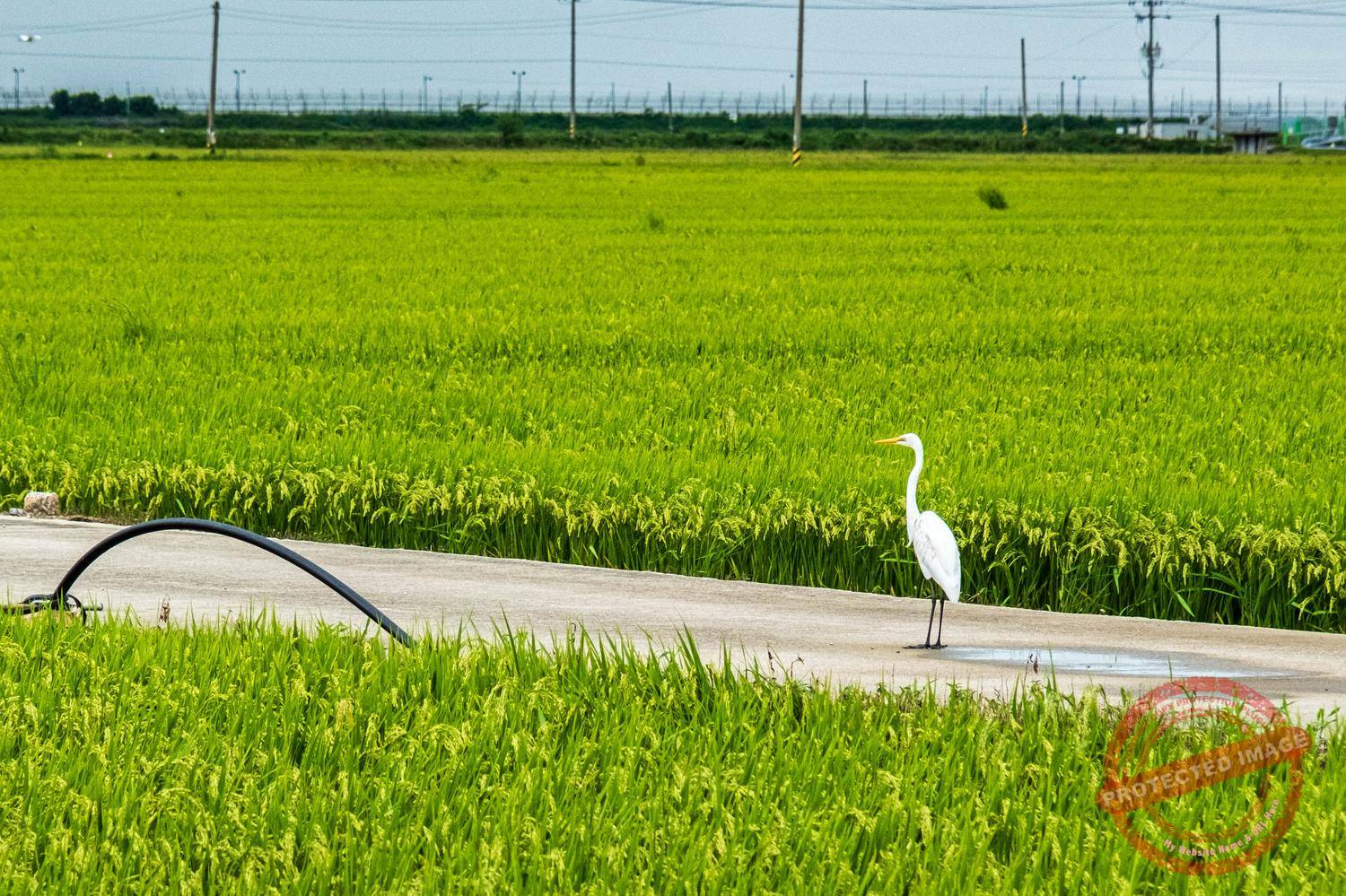
The DMZ is often described as “a haven for flora and fauna” thanks to the alledged absence of humans inside it for more than 70 years. Which, in many ways, is true. It has even become a narrative that is widely used by various local authorities along the border to attract tourists to their areas.
But it is not accurate to say that human civilization has disappeared from the DMZ since 1953. On the contrary, it continues to be very present, and in its most aggressive guise.
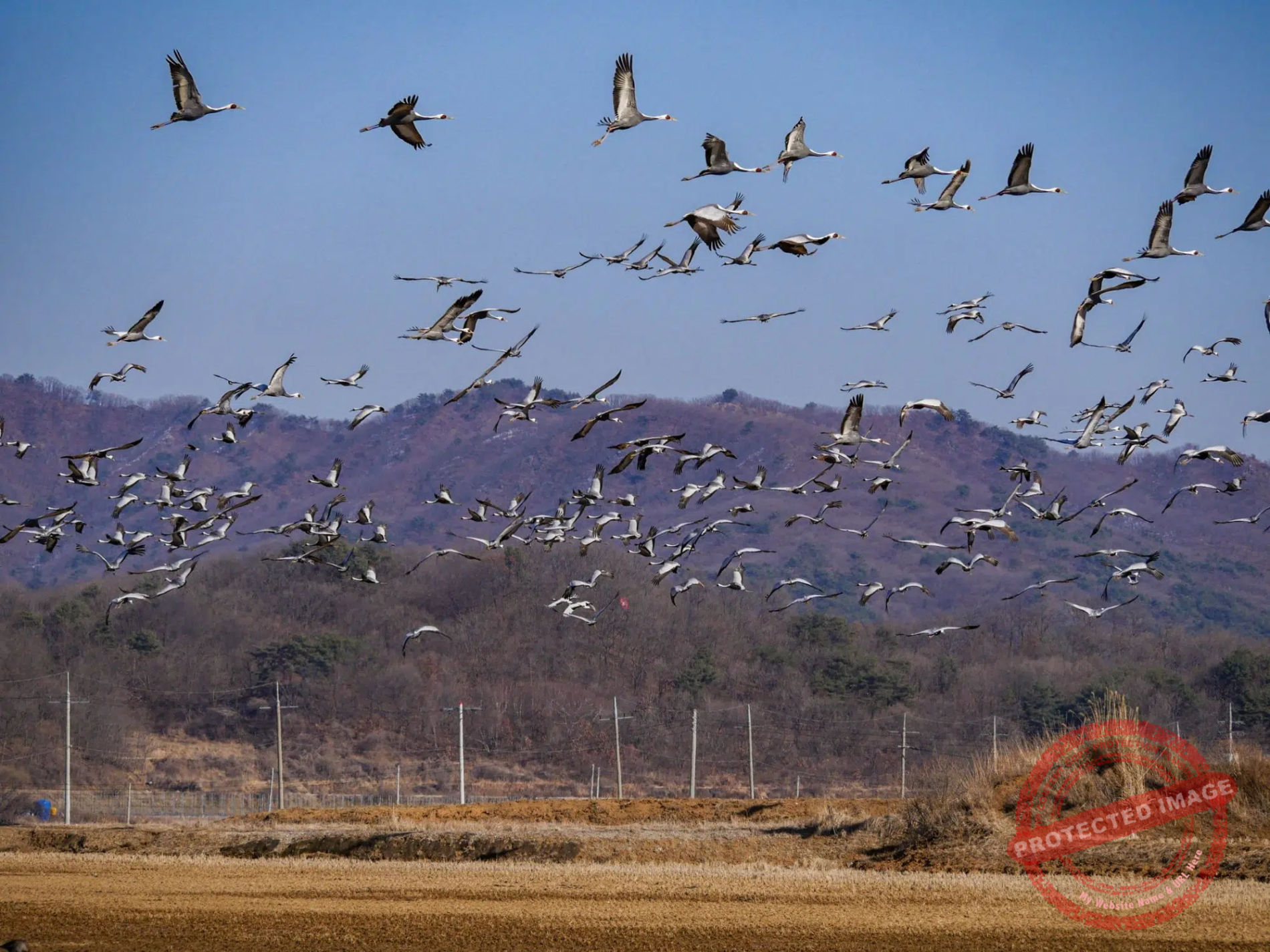
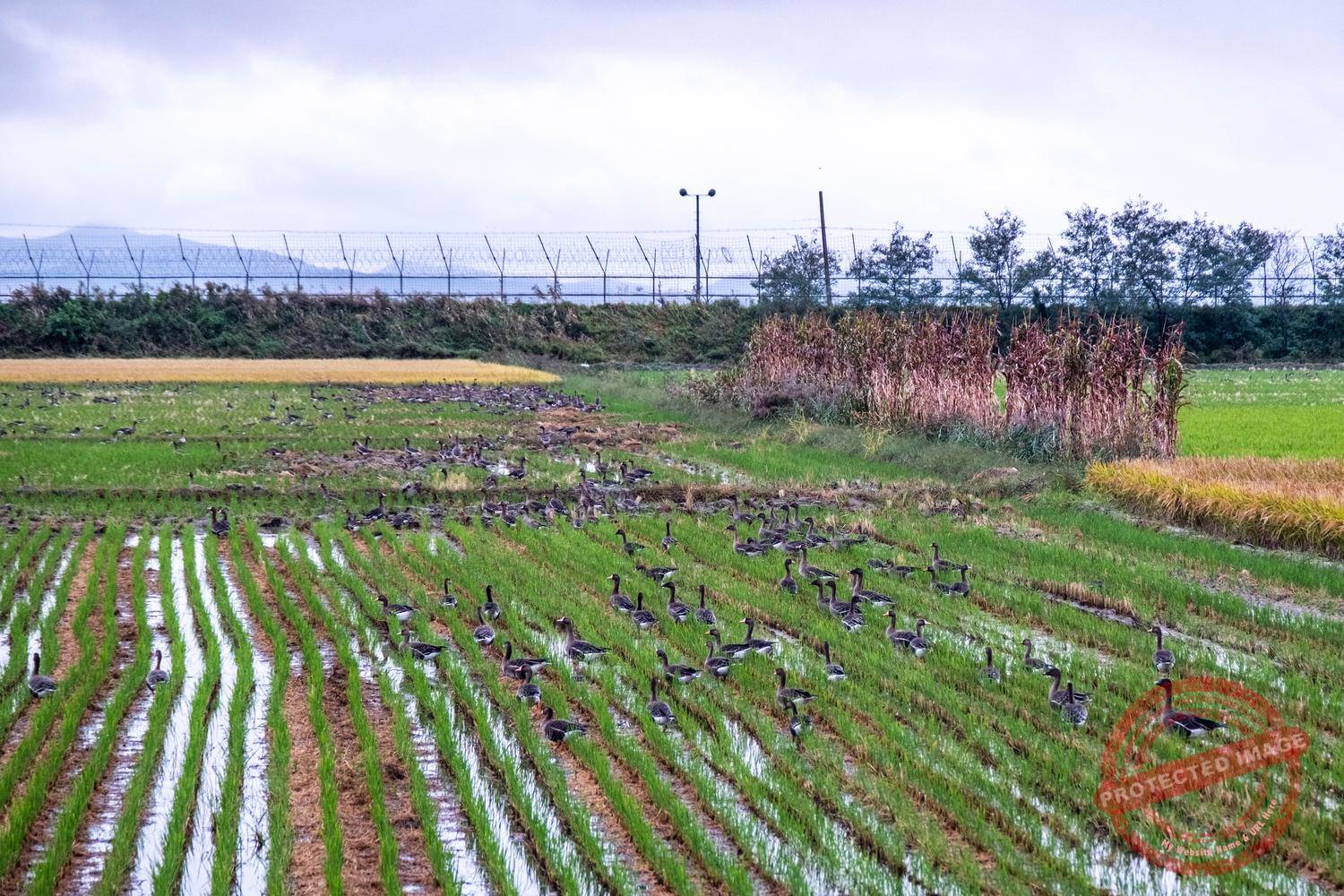
Some animals that have long since disappeared in South Korea, such as the Asiatic black bear or the Amur Leopard (and even, according to some, the Siberian tiger), have been spotted in this dangerous no man’s land. The Cheorwon region, where thousands of red-crowned and white-nape cranes, wild geese and other migratory birds choose to take refuge every winter, is testimony to the beneficial effects of the DMZ on wildlife.
But the big picture is more nuanced.
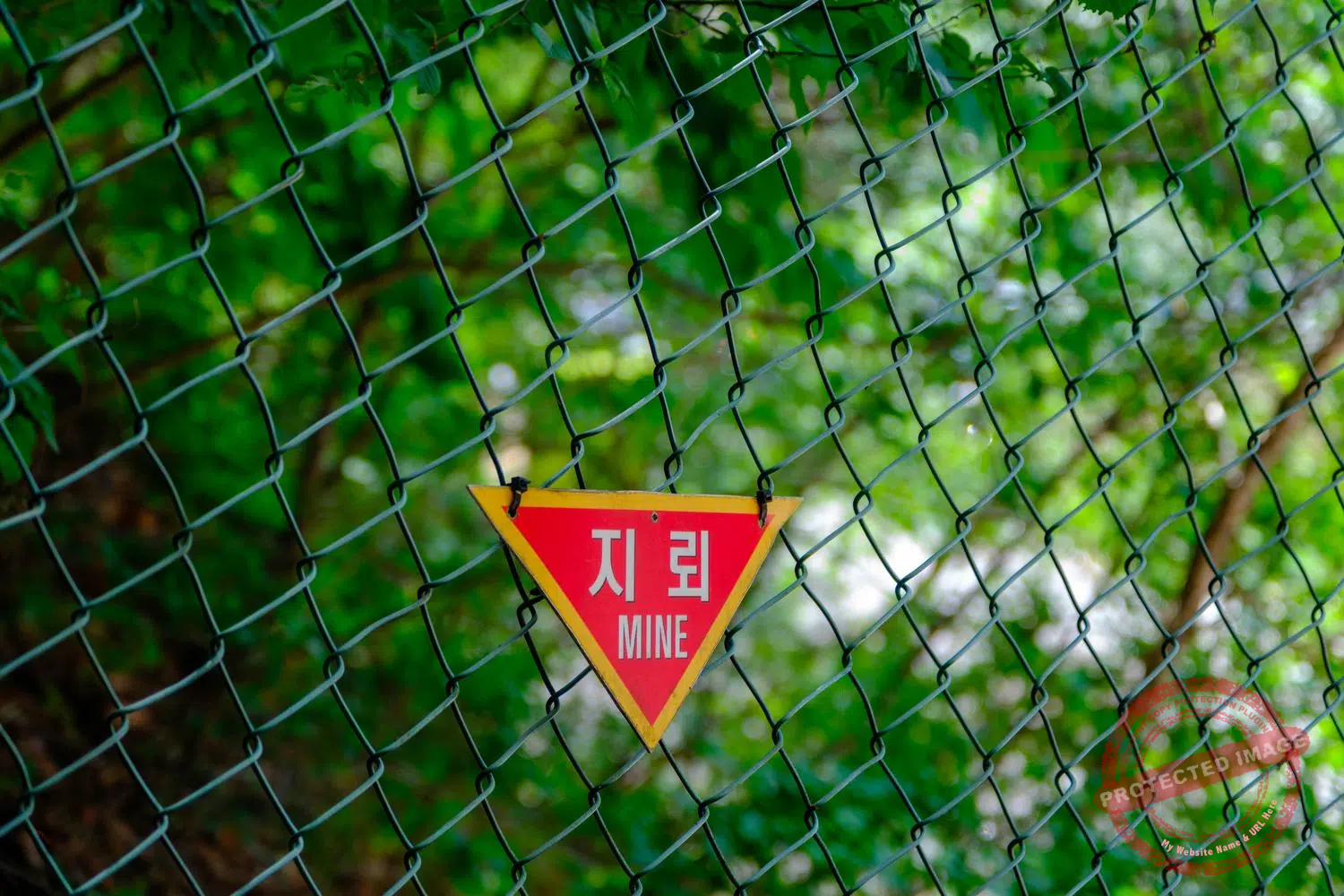
While there’s no doubt that most birds like it here, the millions of landmines, unexploded ordnance and booby-traps that infest the DMZ often reveal three-legged deer. At night, until the widespread deployment of night vision cameras in recent years, the DMZ was permanently illuminated by powerful floodlights. And by day, during periods of tension between the two enemies, loudspeakers on both sides use to broadcast a deafening cacophony of terrifying sounds, slogans and K-pop that would make any family of wild boar want to defect anywhere else.
From 1968 to 1971, Agent Orange and other highly toxical chemical herbicides were sprayed by the U.S. military over the DMZ to defoliate the dense vegetation and make it harder for North Korean forces to conceal themselves. It was also common practice for soldiers on both sides to burn in an expeditious manner any vegetation that obstructed their fields of vision.
An ecological paradise, the DMZ ?
In fact, the only animals that feel completely happy and safe in the DMZ are mosquitoes.
They lead a dream life in huge expanses of stagnant water that are never sprayed with insecticide, and have tens of thousands of wild animals (and soldiers) to feed on for fresh blood.
Cases of malaria are quite frequent in the areas close to the DMZ. As a result, South Korea remains one of the very few developed countries in the world where malaria has not been officially eradicated (or rather, it was in 1979, before making a spectacular comeback in the early 1990s). A total of 747 cases were detected in 2023, an 80% increase from the previous year, most of them in areas close to North Korea. The response includes deploying vacuum traps that mimic human skin scents to lure and capture Anopheles mosquitoes, which can fly up to 12 km, and determine whether they are carriers of disease.
Rabies is also rampant in the DMZ, as well as other scary diseases, like the hantavirus hemorrhagic fever with renal syndrome (HFRS), transmitted by rodents, that killed more than 3,000 UN soldiers during the Korean War. People living near the border also face potential exposure to scrub typhus, an extremely painful disease (although rarely fatal) which is transmitted by infected larval mites commonly found in grassy and forested terrains in the DMZ and around. South Korea registers between 4,000 and 8,000 cases each year, most of them in the border area between October and November, during agricultural harvest season and military exercises in rural fields. The incidence in military personnel stationed near the DMZ is several times higher than in the general population.
According to scientists, eliminating malaria and other infectious diseases in the border area would require simultaneous coordination between North and South Korea. Pest control efforts by one side alone are insufficient. So as long as the DMZ remains a mine-infested war zone and the two neighbors don’t talk to each other, there’s not much anyone can do about it.
This page was last updated on: October 1, 2025.
Previous : Blurry Seas
Next : Landmine Hell
Understand

Themes