Camp Greaves
캠프 그리브스
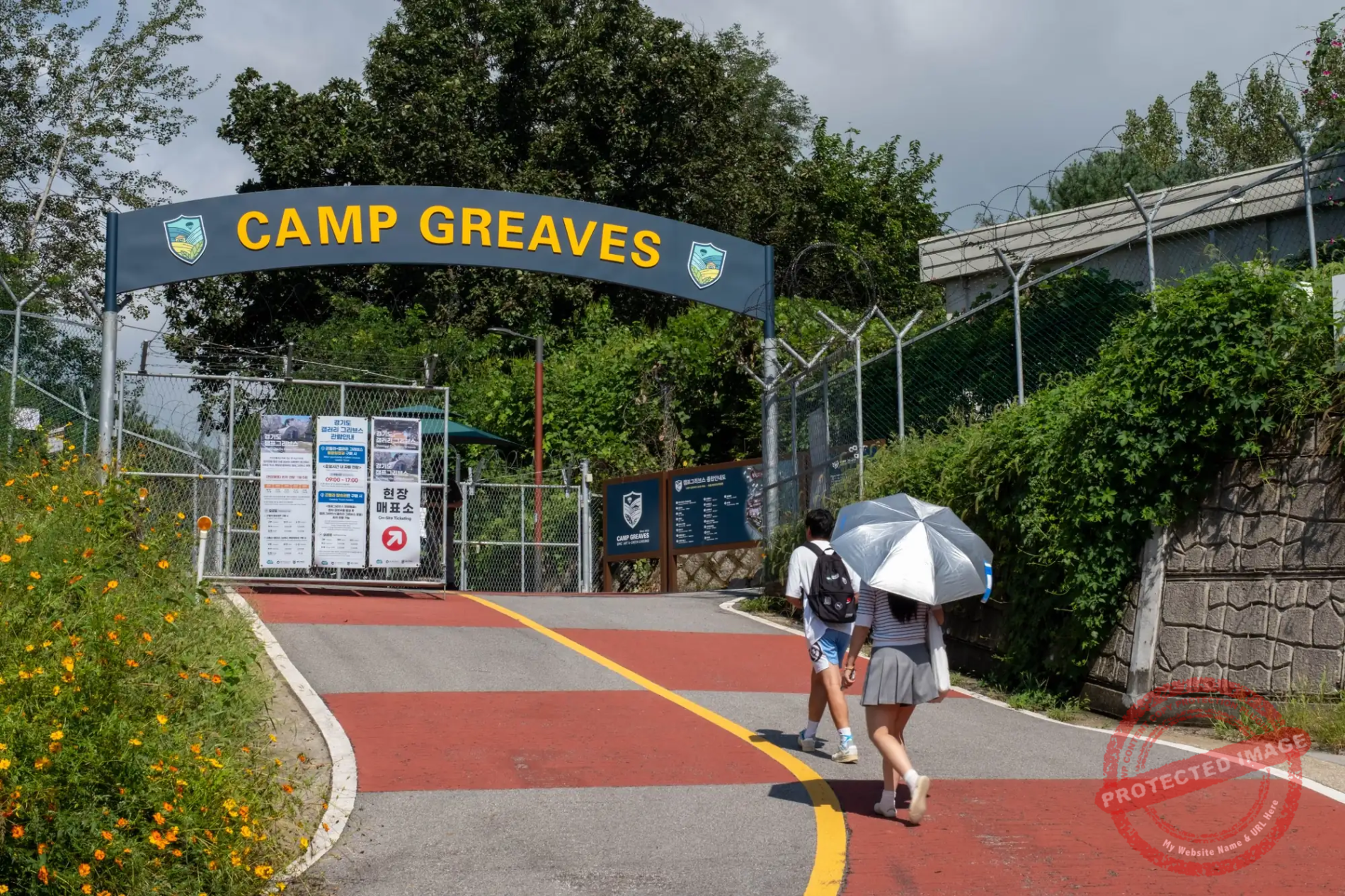
Throughout the Cold War and long after, the site was a crucial US military base for ensuring security in the Demilitarized Zone (DMZ), just two kilometers away.
Today, the American soldiers are gone and their former powder magazines, barracks and bowling alley house pacifist art exhibitions.
Camp Greaves, a name that remains etched in the memories of many of those who served in the DMZ in the 20th century, is now entirely in civilian hands, and one of many popular tourist attractions along the border.
The camp was handed over to the South Korean government in 2004 after the U.S. army redeployed further south, and adapted gradually for public use. Since 2013, the “Camp Greaves DMZ Experience Center” has operated on the grounds and hosts art and educational exhibitions on the themes of peace and security.
As is often the case with tourist sites related to the Korean border in the South, the choice of symbols can be a little disconcerting, such as the dog tag-shaped entrance sign (dog tags are worn around the neck by military personnel so they can be identified if they are killed).
The compound lies inside the Civilian Control Zone, the restricted area adjacent to the DMZ. Nearly 500,000 people visited Camp Greaves in 2023, most of them arriving aboard the “Peace Gondola” that crosses the Imjin River from the Imjingak Tourist Resort after showing their passports and signing a written agreement to behave.
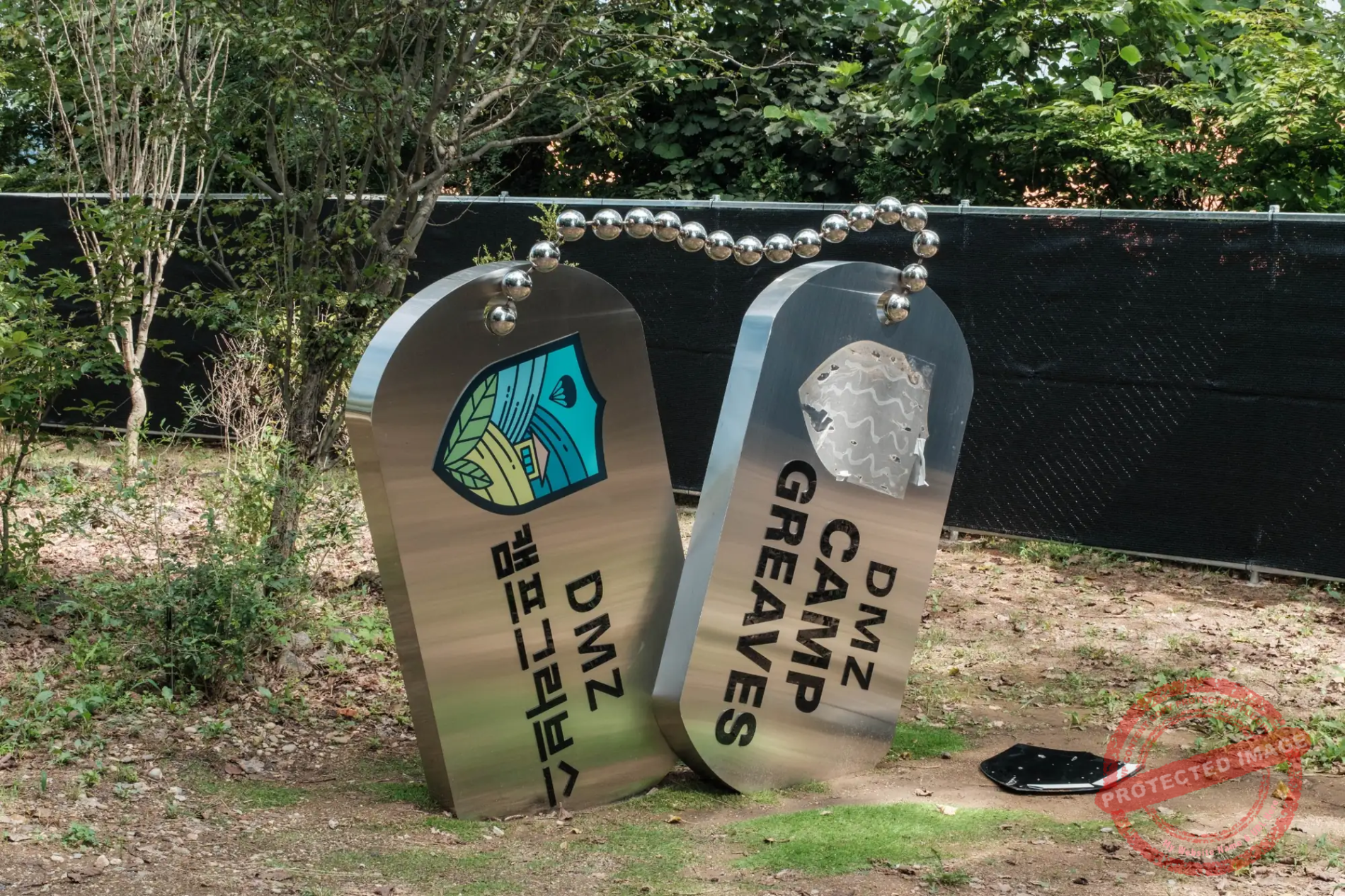
The entrance sign to Camp Greaves is shaped like a dog tag—a system of plates that soldiers around the world wear around their necks so they can be identified if they die on the battlefield (September 2025).
Unlike most other American camps in South Korea, this one is not named after a Korean War hero or of a soldier killed in a DMZ incident, but after sergeant Clinton Greaves, a “Buffalo Soldier” (an African American who served in the U.S. Army after the Civil War) who distinguished himself during the Indian Wars in the western United States in the 19th century.
Camp Greaves was established during the Korean War (1950-1953). Shortly after the armistice, in July 1953, it was first occupied by the U.S. 1st Marine Division, which used it as a base to patrol the newly created DMZ.
Initially consisting of tents, in the mid-1950s the camp was equipped with Quonset Huts, prefabricated semi-circular structures made of galvanized steel, most of which are still standing today and host exhibitions of all kinds.
Through the Cold War and after, Camp Greaves was an essential asset to defend the access to Seoul and to guard this relatively flat and penetrable area of the front. It sat along the main invasion corridor through which North Korean forces advanced in June 1950, heading toward Seoul. This area remained a key route in military planning: both sides knew that in the event of renewed hostilities, an invasion would likely come through here.
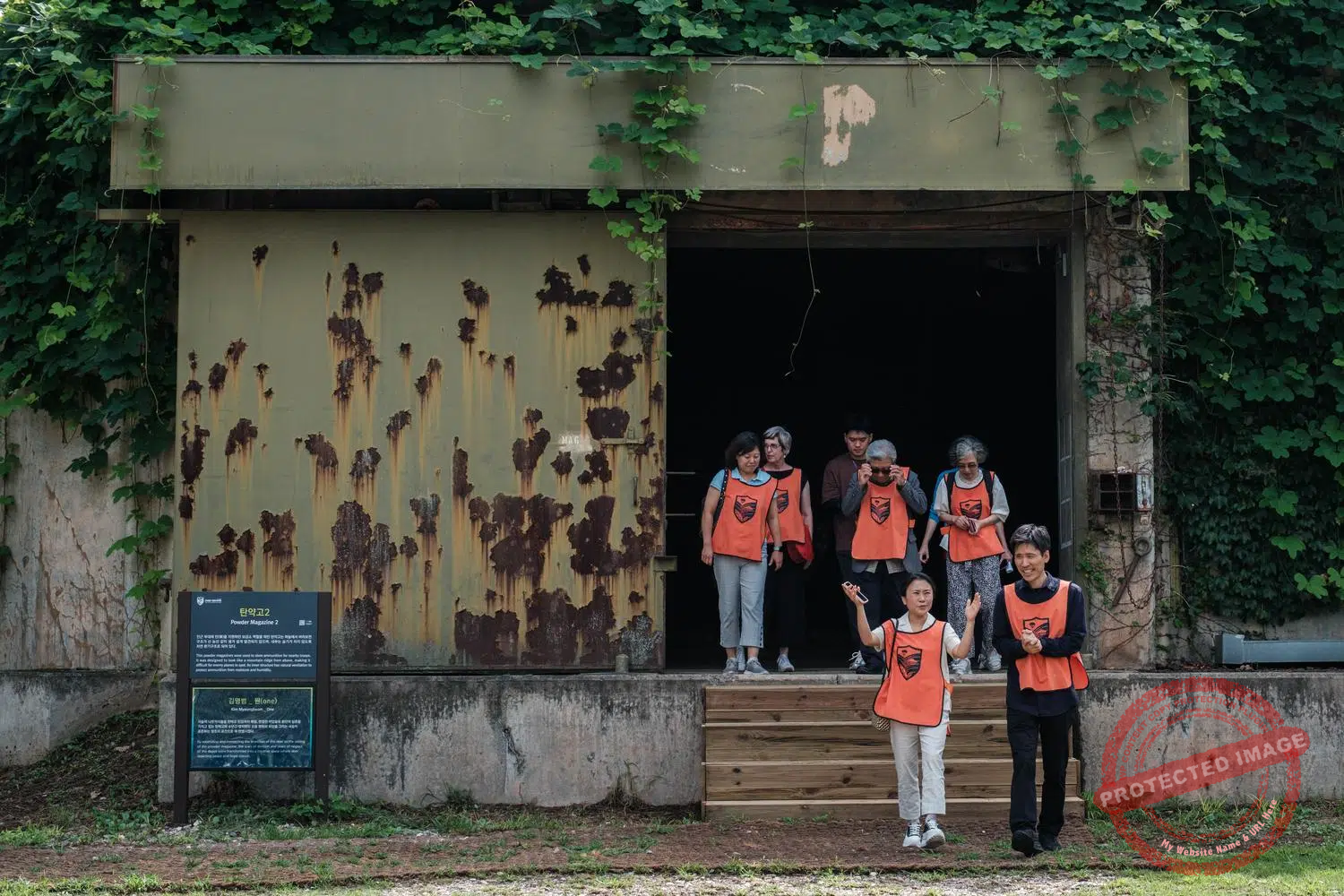
Visitors exit one of Camp Greaves’ former powder magazines, which have been converted into art exhibition halls (September 2025).
The camp, where up to 730 people were stationed, used to house combat-ready infantry units that were often rotated along the frontline. Camp Greaves functioned as a rear logistics support and staging area for the dangerous missions inside the DMZ. It supported a network of assets monitoring North Korean activities, and was also responsible for providing a quick first response in the case of infiltration attempts or a full-fledged invasion. Soldiers from Camp Greaves manned guard posts, ran reconnaissance and quick-reaction missions and trained constantly for contingencies.
The camp’s proximity to Panmunjom’s Joint Security Area (JSA) meant it was woven into watershed moments on the DMZ.
On August 18, 1976, one of the two American officers attacked with axes by North Korean soldiers in JSA while trimming a tree that blocked the line of sight between a checkpoint and an observation post, was evacuated via the aid station at Camp Greaves but died on the journey to the hospital, while the body of the other soldier was taken away by the North Koreans. Three days later, U.S. and South Korean forces executed “Operation Paul Bunyan” (named after a giant lumberjack, hero of American folklore), placing units across the peninsula on full alert as engineers felled the contested poplar tree in the JSA, in an overwhelming show of force intended to intimidate the North.
It’s all very hard to imagine when you walk around Camp Greaves nowadays, shortly after disembarking from a leisurly trip aboard the ‘Peace Gondola’.
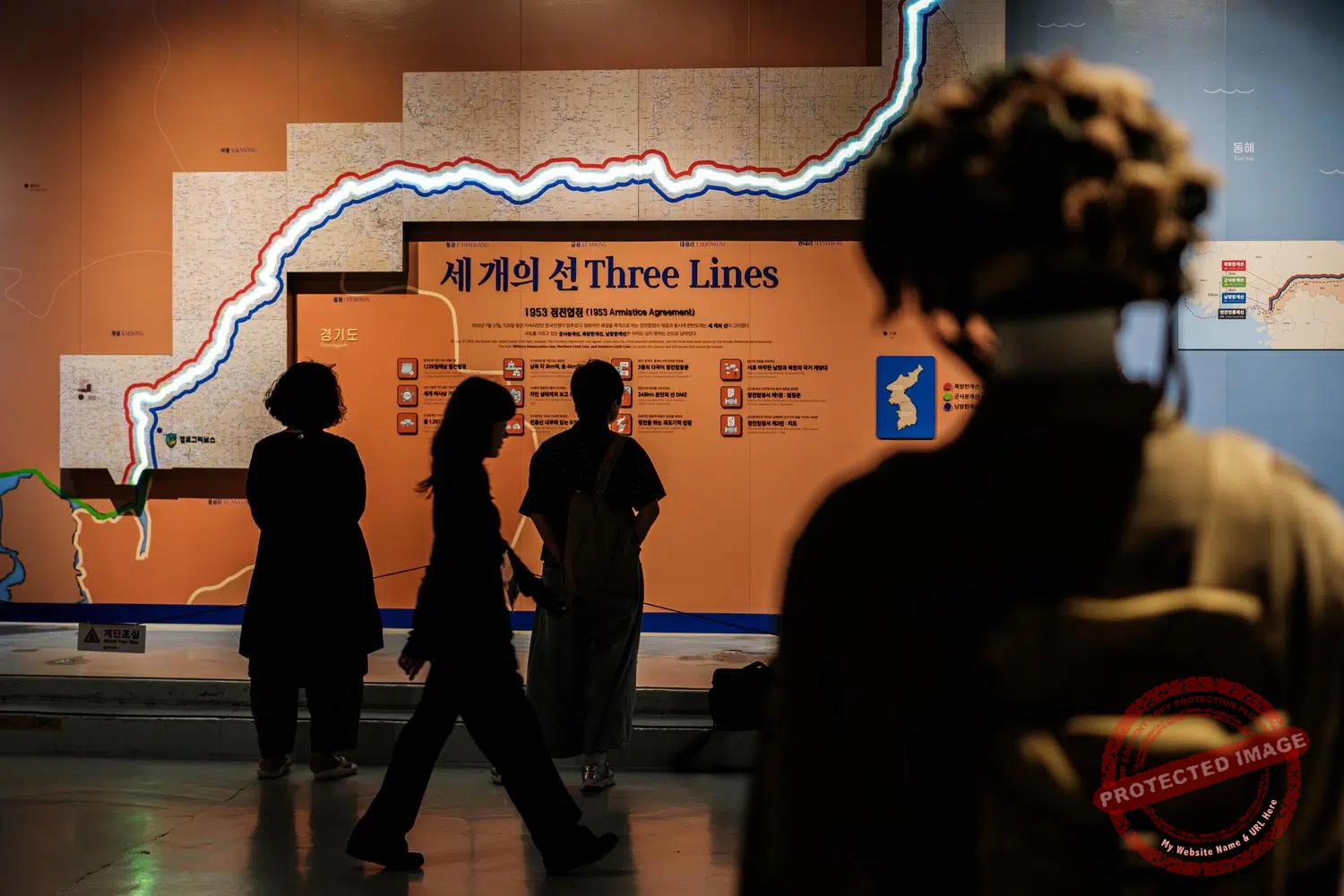
The former bowling alley at Camp Greaves, converted into an exhibition hall on the Korean Division (September 2025).
The closure of Camp Greaves was not about reducing defenses along the DMZ, but rather part of a strategic realignment of U.S. forces in the Korean Peninsula.
After the Iraq War began in 2003, the U.S. Army rebalanced deployments worldwide. Washington and Seoul agreed to pull back American forces from the DMZ itself and consolidate them farther south, while increasing South Korean responsibility for the front line. The 1st Battalion, 506th Infantry Regiment (the main unit at Camp Greaves) was ordered to Iraq in August 2004. Rather than rotating back, the unit was inactivated in Korea and reflagged in the U.S. That effectively ended Camp Greaves’ role as a combat outpost.
The United States moved most combat forces from several small DMZ-side camps like Greaves to a few larger hubs out of reach of the North Korean artillery and with modern infrastructure, especially Camp Casey in Dongducheon and, later, Camp Humphreys, now the largest U.S. overseas base in Pyeongtaek, 65 km south of Seoul. This reduced the vulnerability of U.S. troops to sudden North Korean shelling and improved logistics, while still allowing rapid reinforcement of the DMZ if needed. With the closure of Camp Greaves in 2004, South Korean troops, who had already outnumbered American forces near the DMZ for years, assumed sole responsibility for the primary defense of the front line.
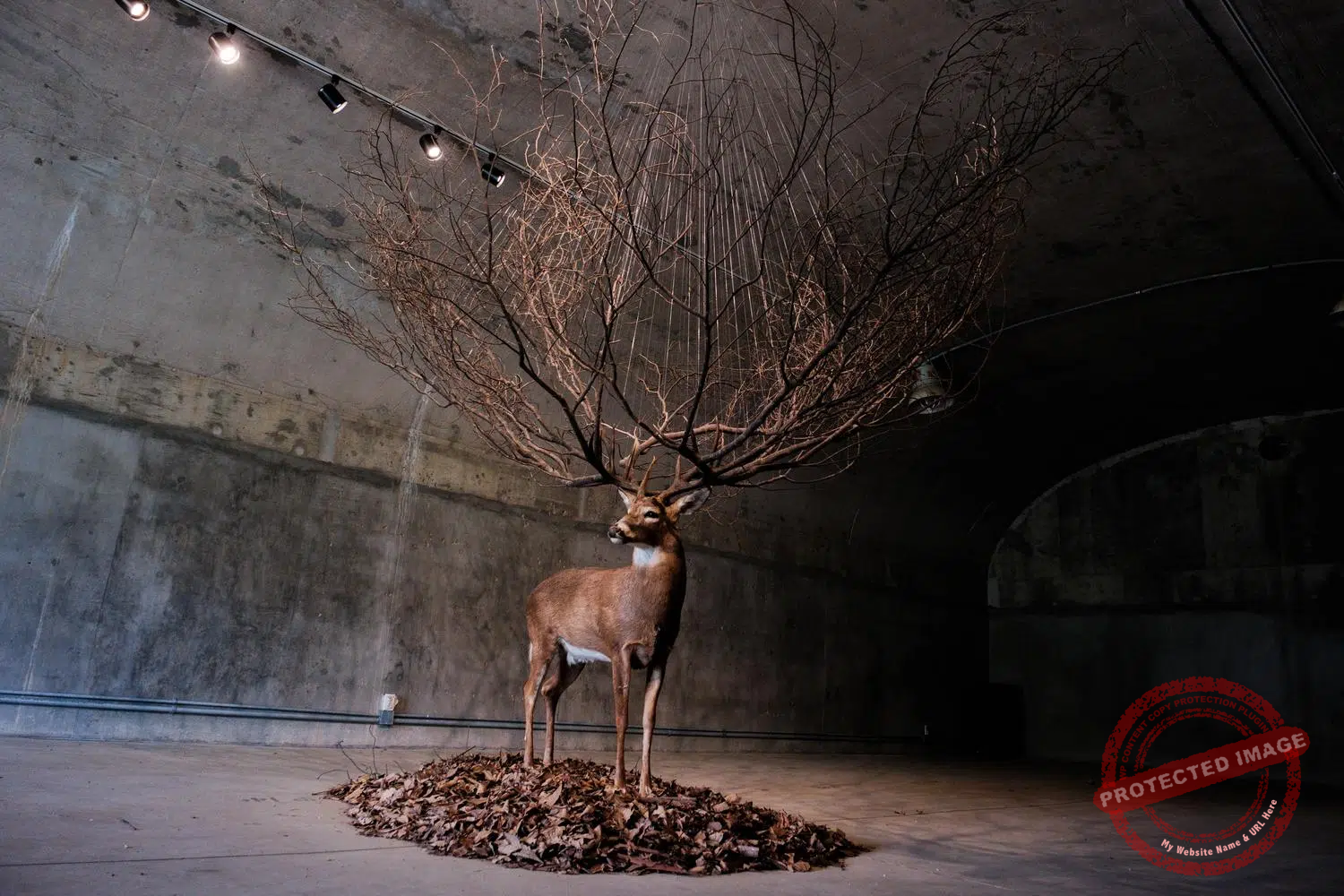
“One,” by Korean artist Kim Myeong-beom, exhibited in one of the former powder magazines at Camp Greaves (September 2025).
After the Americains left, Camp Greaves was transferred to the South Korean Ministry of National Defense. Following several years of neglect, demolition threats and then redevelopment, the transformation of Camp Greaves accelerated under the “DMZ Peace Platform Project”, a transformation strategy deployed by authorities from 2013 onward to reframe a site of division into a “cultural, historical, and artistic hub near the DMZ”.
Warehouses, dorms, gymnasiums, powder magazines and a former bowling alley were re-purposed for exhibitions. The former auto repair shop is now a café where the only drink available is iced Americano. Performance seasons brought gugak concerts, street dance and art installations. The camp’s raw, time-capsule look drew film crews—including a 2016 K-drama, Descendants of the Sun. This story about two South Korean soldiers who face difficulties in their love lives as they navigate the challenges of military duty became hugely popular across Asia, especially in China, which helped push Camp Greaves into the tourist mainstream. Seeing the locations where this cult series was filmed remains the main motivation for most Asian visitors.
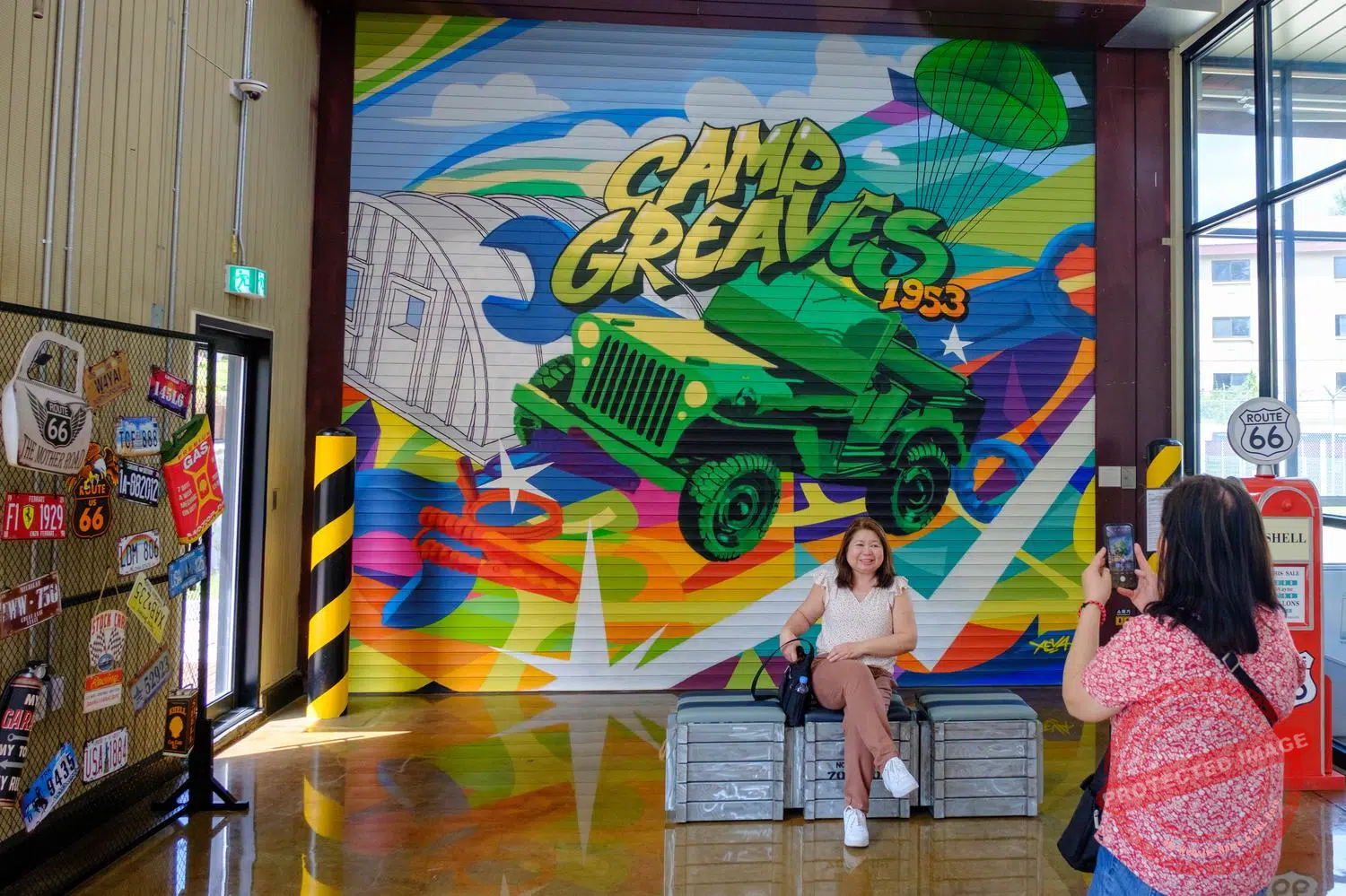
Tourists take photos in the former vehicle repair shop at Camp Greaves, which has been converted into a café (September 2025).
In 2013, an entire building of the camp’s officer quarters was remodeled into a youth hostel that can accommodate up to 240 guests. Primarily intended for schoolchildren and students, the hostel offers a variety of educational and cultural programs, including concerts, nature-ecological classes and “peace and unification activities” like hanging a ribbon for peace and writing a consolatory letter. It is also the only place within the Civilian Control Zone where visitors can book an accomodation overnight.
In 2022, the camp definitively passed into civilian hands when the Ministry of Defense transferred ownership to Gyeonggi Province. Two years later, officials announced a major expansion to open to visitors ten exhibition buildings, about a third of the entire Camp Greaves.
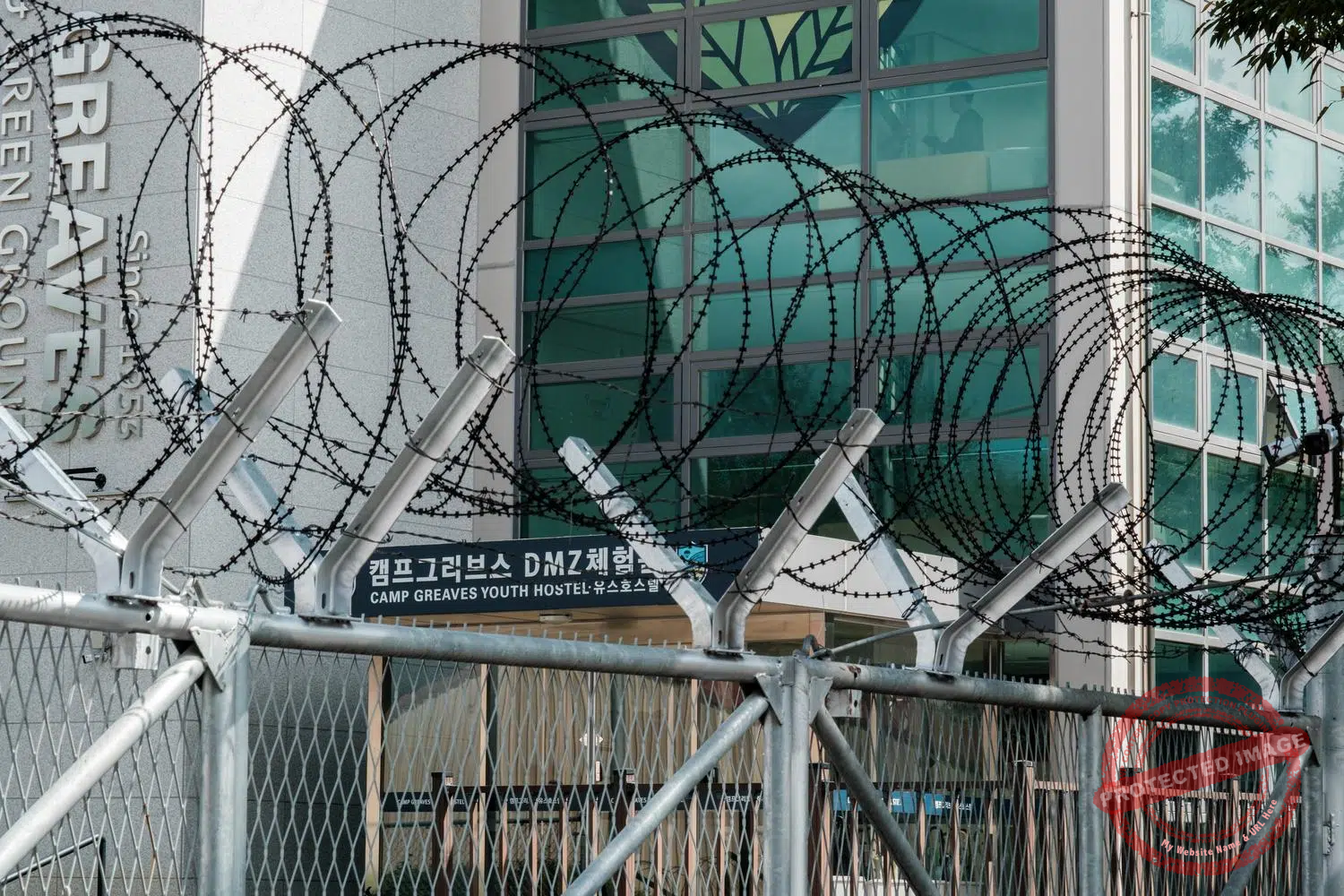
Welcome to the Camp Greaves Youth Hostel, the only tourist accommodation available in the entire Civilian Control Zone (September 2025).
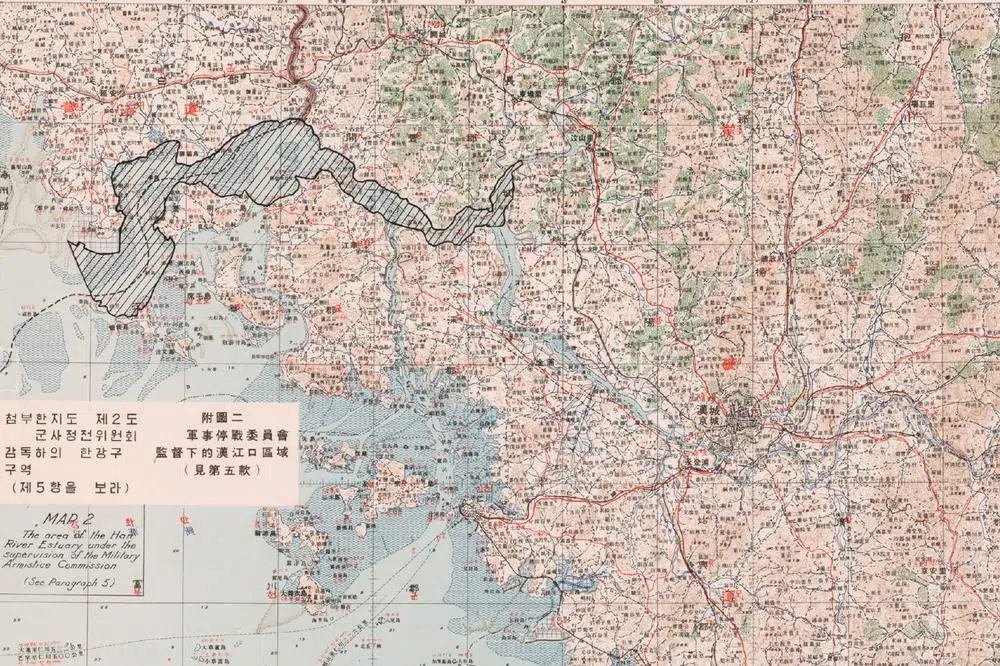
Some buildings recreate what military life was like in the camp, and in another, at least until recently, visitors could sign an armistice agreement themselves as if they were the commanders-in-chief of the American, North Korean, and Chinese forces in July 1953 in Panmunjom. In the event that the opposing party seeks to renege on its commitments, you could keep a copy of the agreement you had signed. A duplicate of the maps attached to the armistice agreement, showing the precise location of the military demarcation line and the boundaries of the DMZ, can be viewed in the camp’s former bowling alley (it is also downloadable as a PDF online).
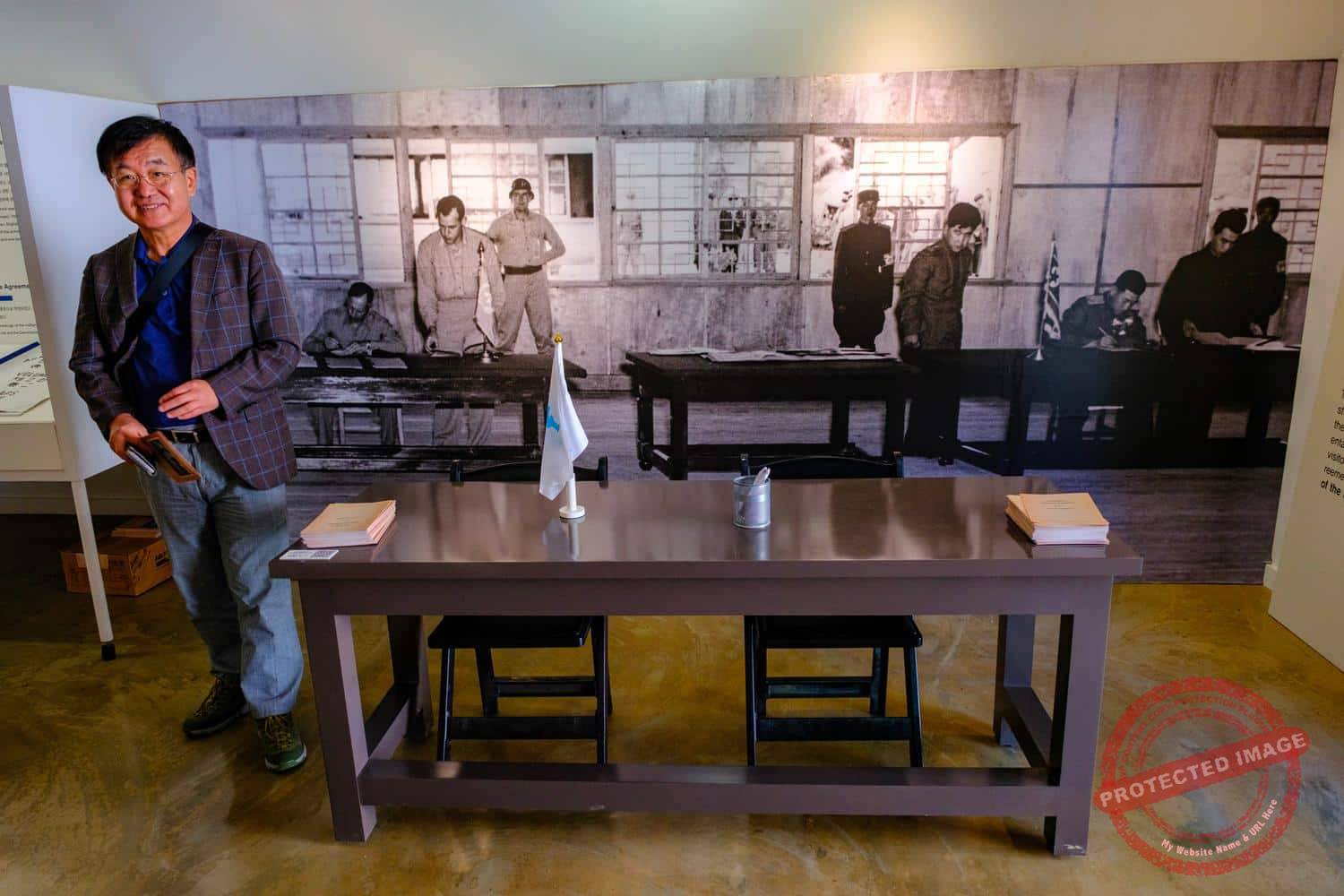
A room in Camp Greaves allows visitors to sign the 1953 armistice agreement themselves (October 2024).
The most interesting place in the camp—at least for photographers—is the small museum of the Neutral Nations Supervisory Commission (NNSC), which occupies one of the Quonset huts and several rooms in a neighboring building.
Based in Panmunjom, in the heart of the DMZ, and responsible for enforcing the armistice agreement, the NNSC was initially composed of military personnel from four countries that did not participate in the Korean War: Czechoslovakia and Poland, appointed by the North, and Switzerland and Sweden, appointed by the South. The dissolution of Czechoslovakia and Poland’s transition to the Western camp at the end of the Cold War mean that only Switzerland and Sweden remain members of the Commission today, although Poland also participates in a marginal capacity.
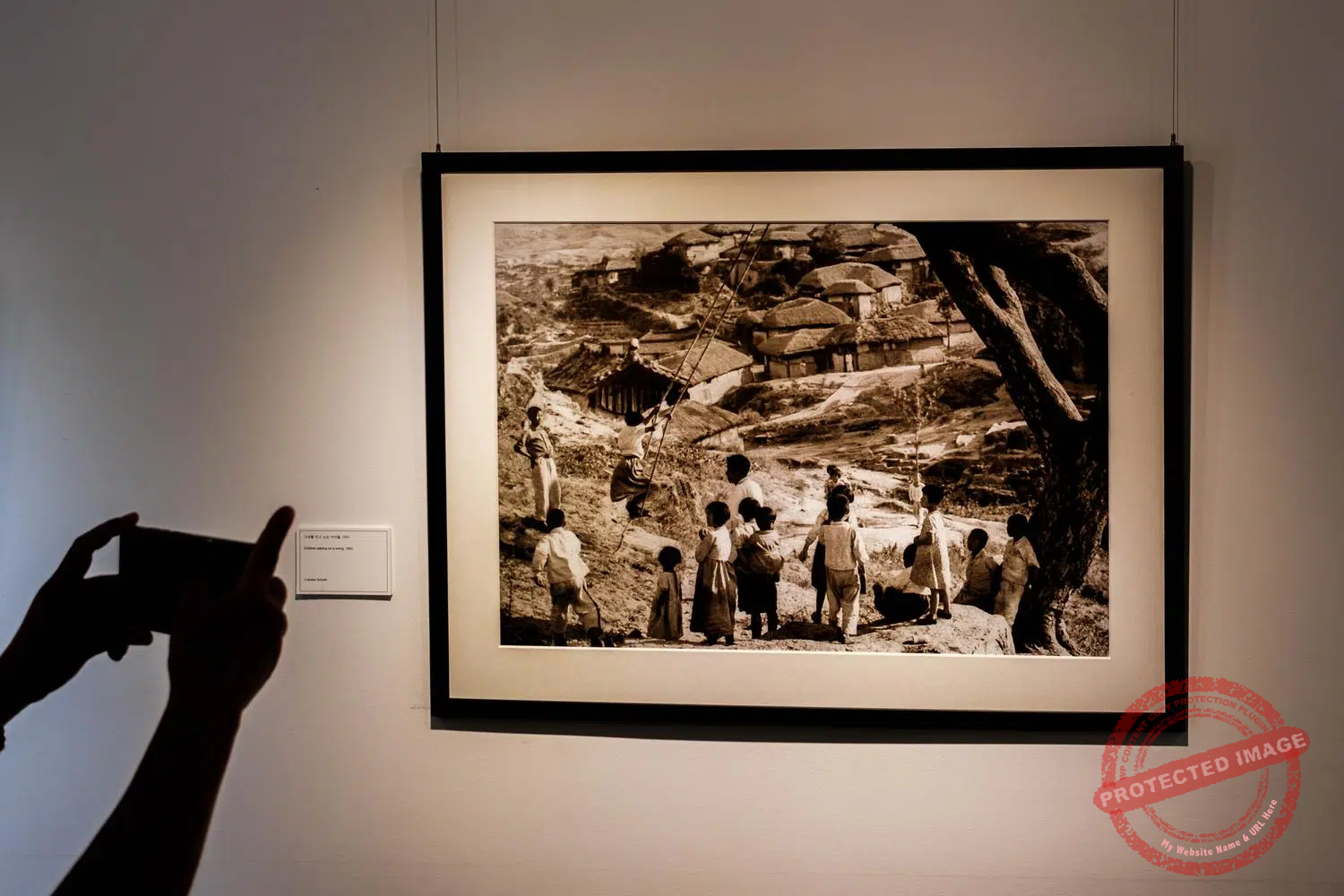
A tourist takes a photo of an image shot in North Korea by an unknown Czechoslovakian military photographer in the Neutral Nations Supervisory Commission (NNSC) Museum at Camp Greaves (September 2025).
Opened in 2018, the NNSC museum mainly exhibits photographs taken by military members of the Commission during their tour of duty. Some of these images illustrate the endless journey to Korea from Europe in the 1950s. The Polish exhibition is dedicated to the 1,500 North Korean war orphans who were sent by train and welcomed into Poland between 1951 and 1959.
But the most interesting exhibition hall is the Czechoslovakian one, that comprises photos taken by the delegates from that country in the 1950s and collected through a project funded by the Czech Foreign Ministry. At the time, Czechoslovakia boasted many amateur photographers, with remarkable shooting skills, excellent cameras and quality Kodak films. The Czechoslovakian delegates to the NNSC took pictures of the daily life after the Korean War in Kaesong and other areas of North Korea that they visited regurlarly. All of them had witnessed the destruction of Central Europe during World War II and were deeply interested in the conditions of Korea after the conflict.
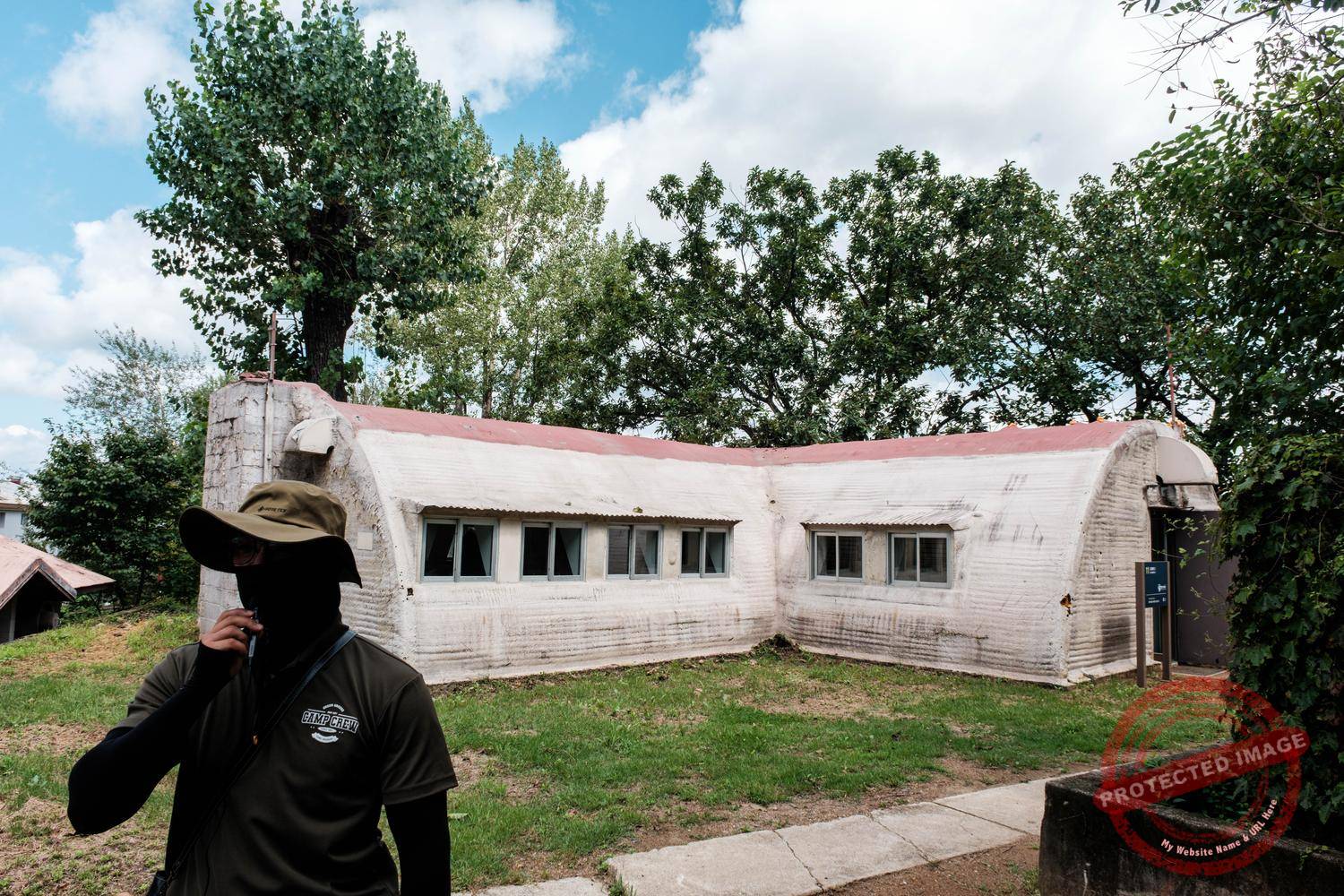
Quonset huts, lightweight prefabricated structures, were installed at Camp Greaves in the mid-1950s to replace tents (September 2025).
This post was last updated on : September 5, 2025
Previous : Imjingak
Next : Abductee's Memorial
Understand
Themes