Abductees' Memorial
국립6·25전쟁납북자기념관
The Korean War ended in 1953. North Korea’s abductions did not.


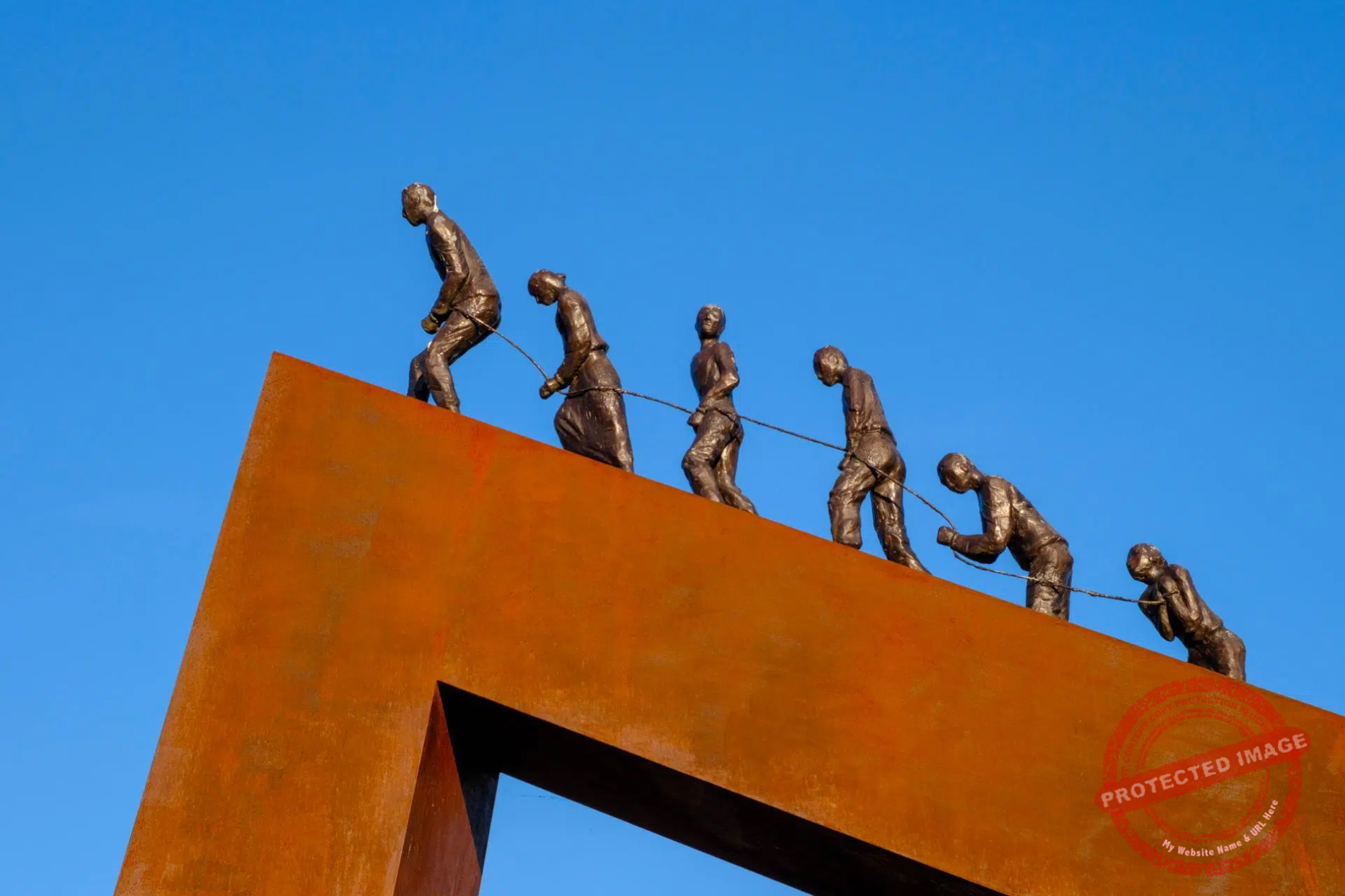
“The Road of Return”, a sculpture in front of the National Memorial for Abductees during the Korean War at Imjingak (November 2024).
The National Memorial for Abductees during the Korean War in Imjingak, Paju City, is a little-known institution dedicated to the at least 95,456 South Korean civilians who were taken against their will to North Korea during the hostilities (1950-1953) and were never heard of again.
Most of them were educated men, civil servants, businesspeople, writers, teachers, Christian pastors, etc. The North seemed to have a very clear idea of which people it wanted to abduct in order to help the reconstruction of the country after the war, or to eliminate political enemies.
At the end of the conflict, prisoners of war were exchanged, but civilian abductees were excluded. Little has been done since to find them alive or to repatriate their ashes. Pyongyang has always flatly denied abducting civilians, claiming that the people who disappeared in the South had voluntarily defected to North Korea.
Another tragedy within the tragedy…
“The Road of Return”, the monument in front of the main building, was erected to destigmatize the abductees and their families and relieve their seven-decade-long agony.
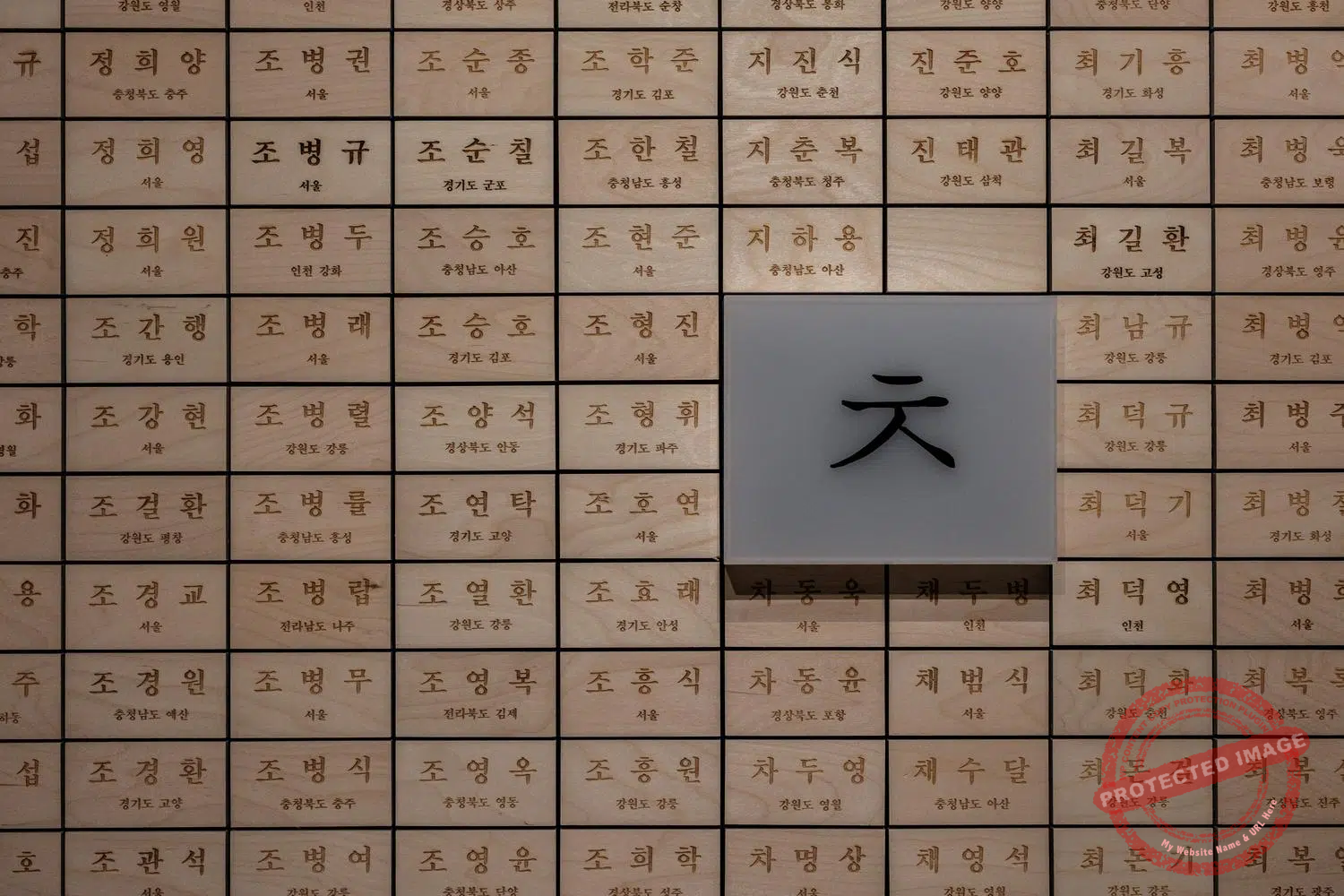
The names of all South Koreans abducted by the North during the Korean War are engraved on one of the walls of the memorial (September 2025).
North Korean abductions did not stop with the end of the war.
Between 1953 and today, North Korea has abducted 3,795 South Koreans and at least 17 Japanese citizens, according to official figures. The organisation Committee for Human Rights in North Korea (HRNK) adds the over 93,000 ethnic Koreans residing in Japan who were lured after World War II to North Korea, many of them with their Japanese spouses, and were not allowed to leave. HRNK also mentions around 200 Chinese nationals and 25 people of other nationalities, including at least one American, whose presence in North Korea has been confirmed by witnesses.
In December 1969, a Korean Air Lines YS-11 aircraft was hijacked by a pro-communist South Korean passenger during a flight between Gangneung and Seoul. The plane landed in Wonsan, North Korea. Of the 50 people on board (not including the hijacker), 39 were repatriated to the South two months later via the Joint Security Area at Panmunjom, after undergoing days of intense indoctrination sessions. To this day, North Korea claims that the remaining 11 South Koreans chose to stay in North Korea out of their own free will. In 2001, when North-South family reunions were organized as part of a thaw in relations between the two countries known as the “Sunshine Policy,” one of the flight attendants on the flight was randomly selected to participate in the reunions and was able to see her mother again. She revealed that the other crew members were still alive and even living near Pyongyang.
Another famous abduction case was the kidnapping of South Korean popular actress Choi Eun-hee and her film director and ex husband Shin Sang-ok in 1978 in Hong Kong, on orders of North Korean leader Kim Jong Il, a notorious film enthusiast, who wanted to bring them to Pyongyang to improve the North Korean cinema industry. While detained in North Korea, Shin made the famous monster movie Pulgasari in 1985. The couple, who over the years had managed to convince its North Korean captors that it had embraced their cause, escaped in 1986 by rushing into the U.S. Embassy while on a filming assignment in Vienna.
As for the Japanese, 17 nationals are officially recognized by their government as abduction victims, but there may have been up to 883 others according to HNRK (the North has officially admitted to kidnapping 13). Some were abducted to teach Japanese language and culture at North Korean spy schools. The youngest, Yokota Megumi, was only 13 when she was taken to North Korea by secret agents while having a walk on the beach in her native Sado Island. Others were nabbed for the purpose of stealing their identities. Five of the abductees were returned to Japan in 2002. North Korea claims that the others—including Yokota—are dead, a claim that Japan disputes.
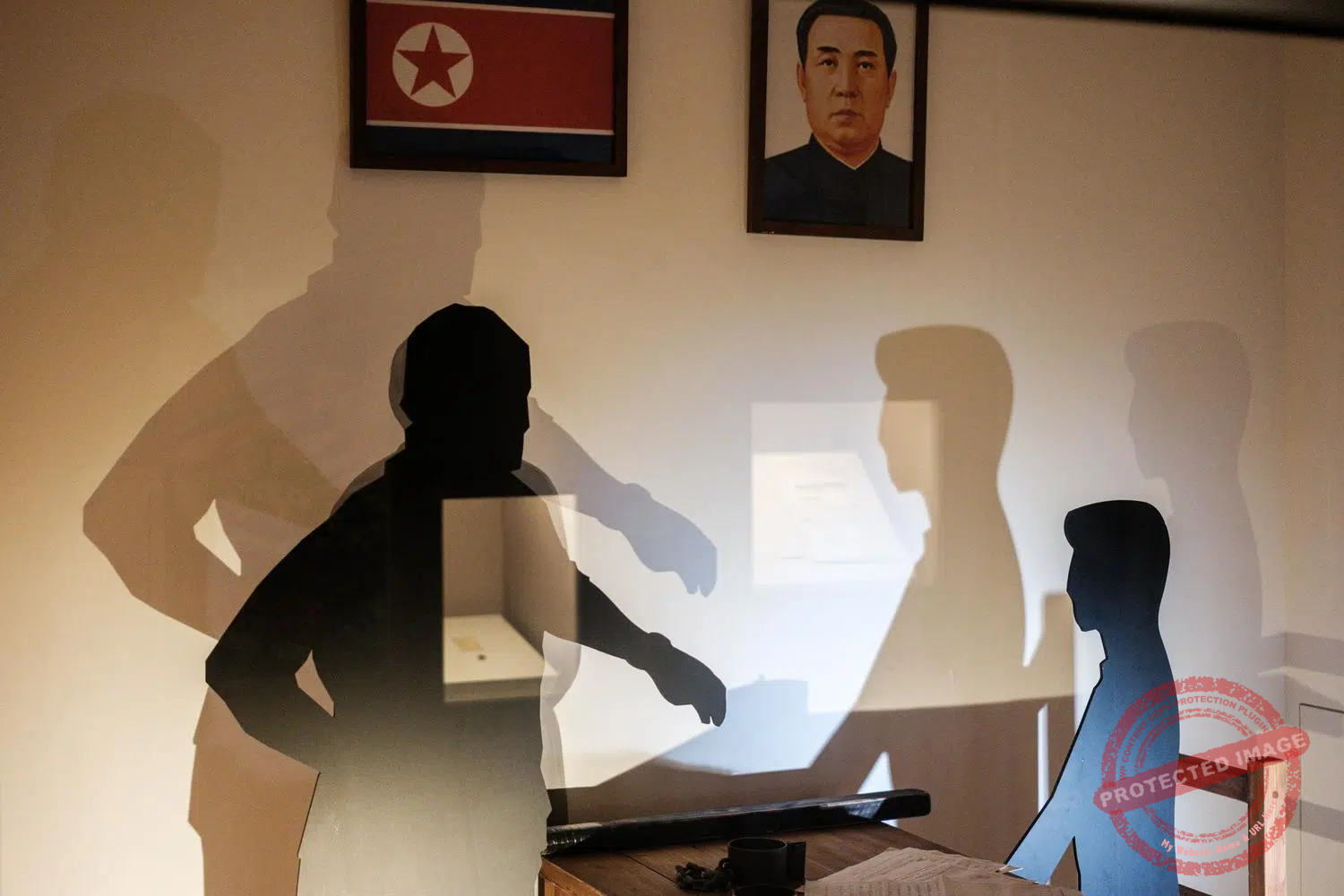
The permanent exhibition in Imjingak’s Abductees Memorial (September 2025).
This post was last updated on: May 14, 2026