Looking North
북녘을 바라보며
Veterans, refugees, kindergartners, tourists. Everyone comes to the Korean border with a different reason to look north.


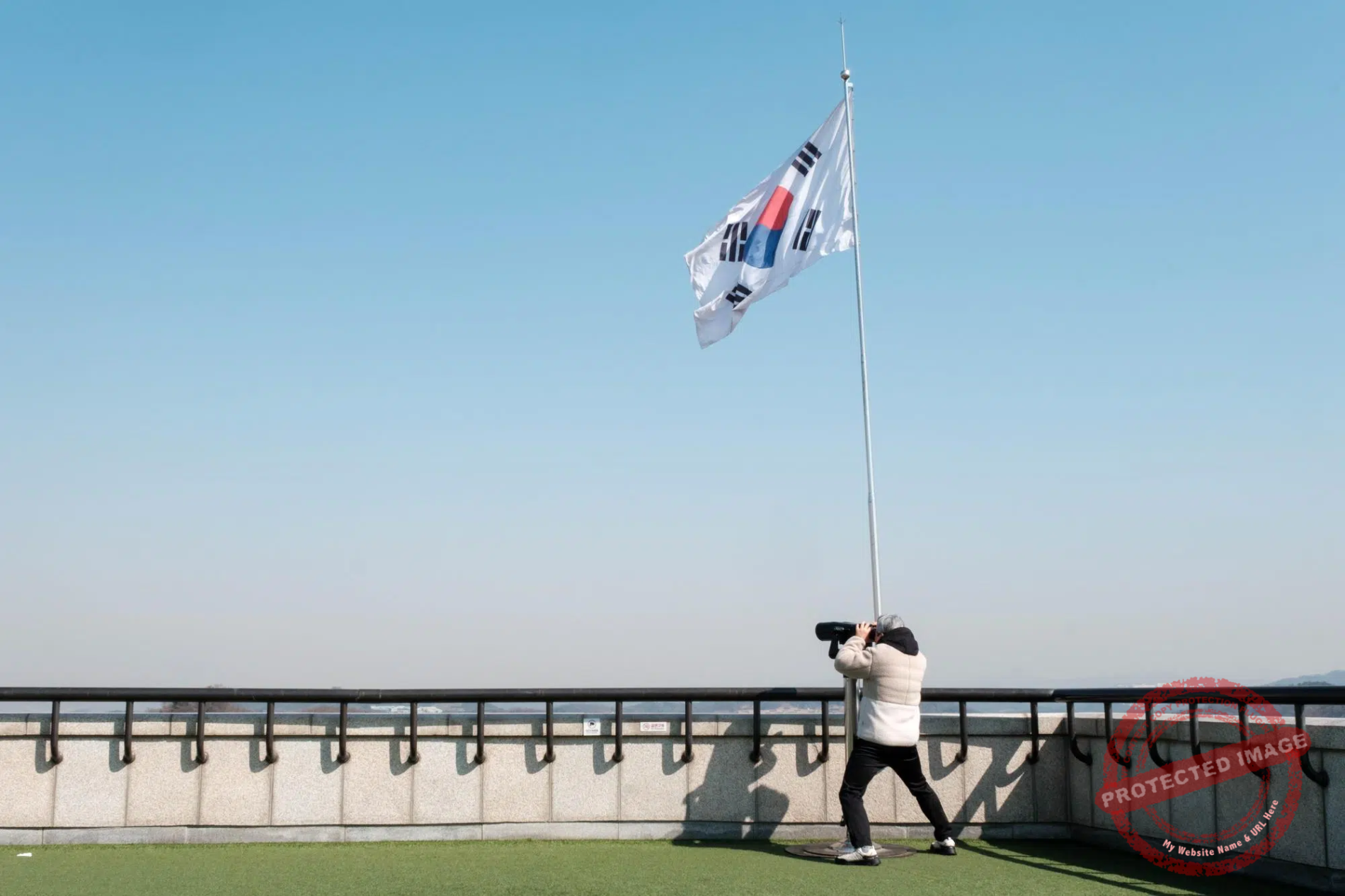
A visitor looks at North Korea from the Odusan Unification Observatory in Paju City (February 2025).
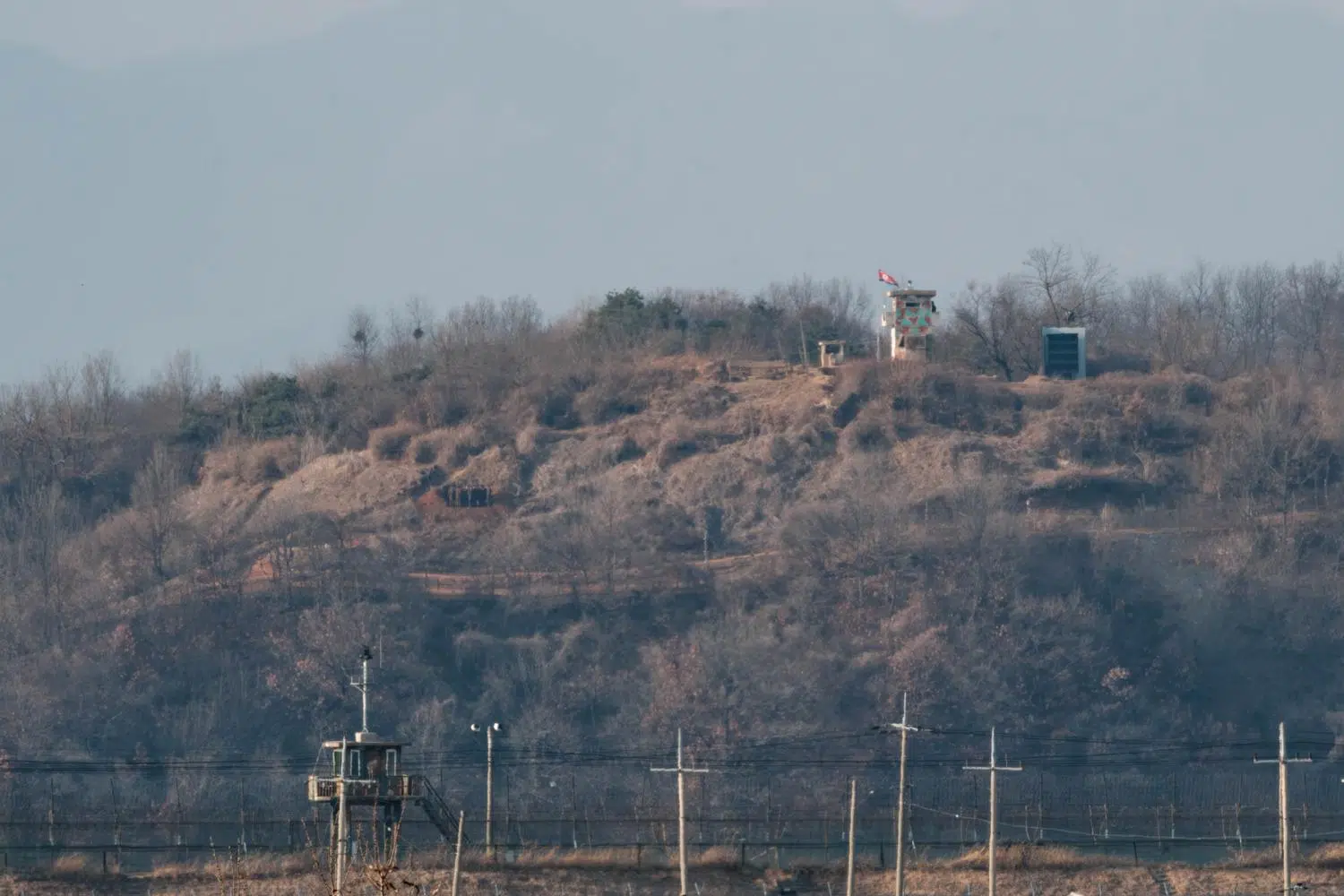
Dozens of observatories line the southern side of the impassable inter-Korean border, allowing everyone to take a peek over the Demilitarized Zone at the hermit kingdom of the North.
Working on K-Scar often leads me to visit these observation posts. They range from simple hilltop telescopes to military facilities with severely restricted access to huge tourist complexes with trendy cafés, souvenir stores and a parking for fifty coaches.
One might be persuaded that this is “unification education,” as those who run these observatories keep repeating. But there’s always an element of voyeurism in observing, through a telephoto lens or telescope and from the comfort and freedom of the South, dozens of North Korean peasants working the land with their hands under lines of red flags and slogans glorifying the Kim dynasty.
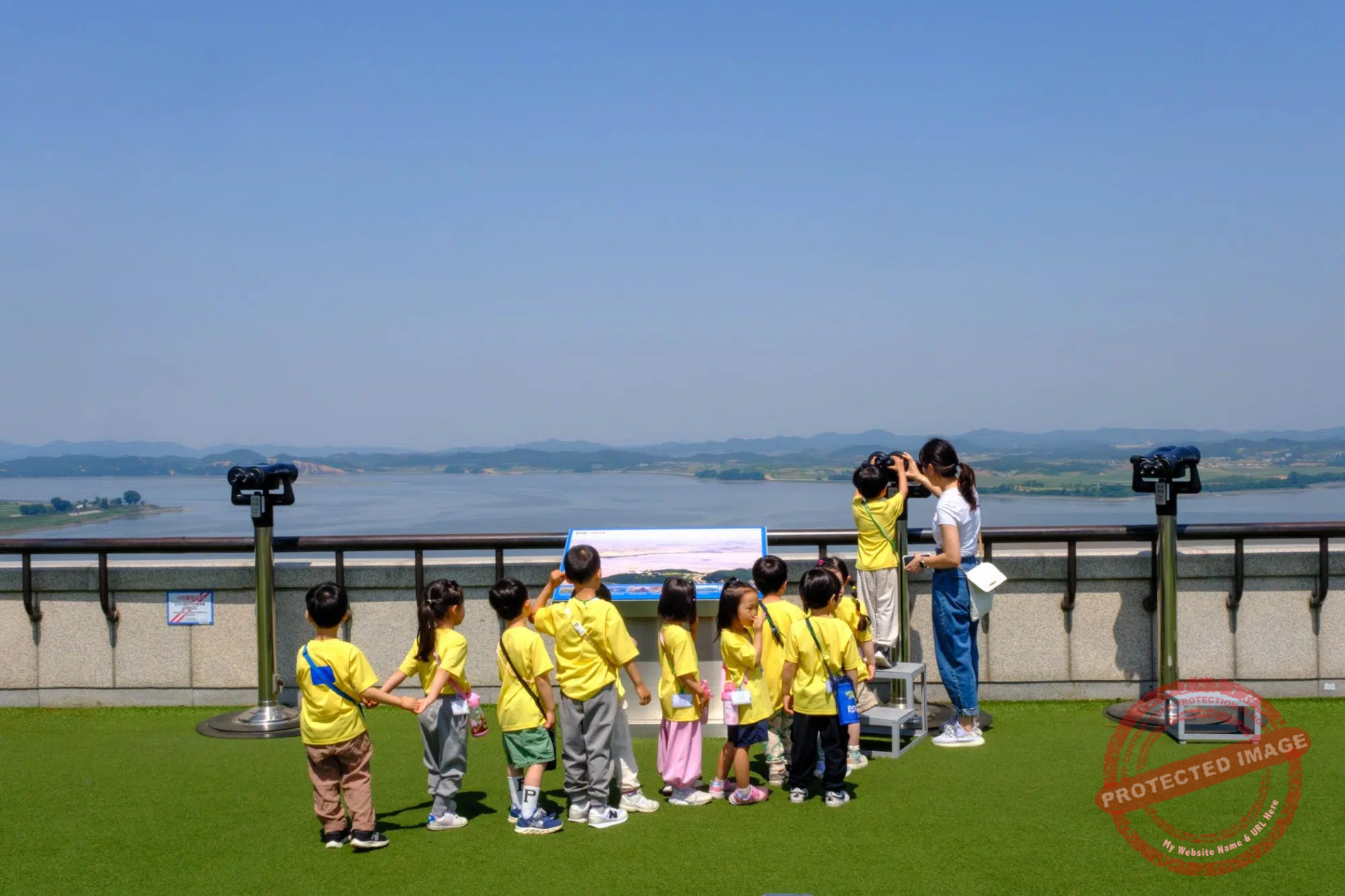
Odusan Unification Observatory, Paju City (June 2025).
Naturally, the people on the other side must be aware that they are being watched, with no ability to consent or refuse. What do they think about it? In any case, you will never see North Korean villagers, farmers, or soldiers make a gesture, turn their gaze, or raise their voices in the direction of the South.
The observatories face one direction only. This asymmetry is the entire structure of the experience, and it is rarely acknowledged in the information panels, which focus on separation, longing, and the hope of reunification. The voyeuristic dimension, the freedom to look at people who cannot look back, is left unspoken.

Daonsoop Cafe, Paju City (April 2025).
The Joint Security Area at Panmunjeom, and other front line military observation posts are a different category. The viewing is not optional and not recreational: soldiers from the Soiuth watch the North Korean side because that is their assignment. At Yeonpyeong Island, South Korean coast guards scan North Korean waters from the Manghyang Observation Deck, tracking Chinese and unflagged fishing vessels illegally working the crab grounds around North Korean islets. Here the looking is surveillance, not tourism, though the two share the same binoculars.
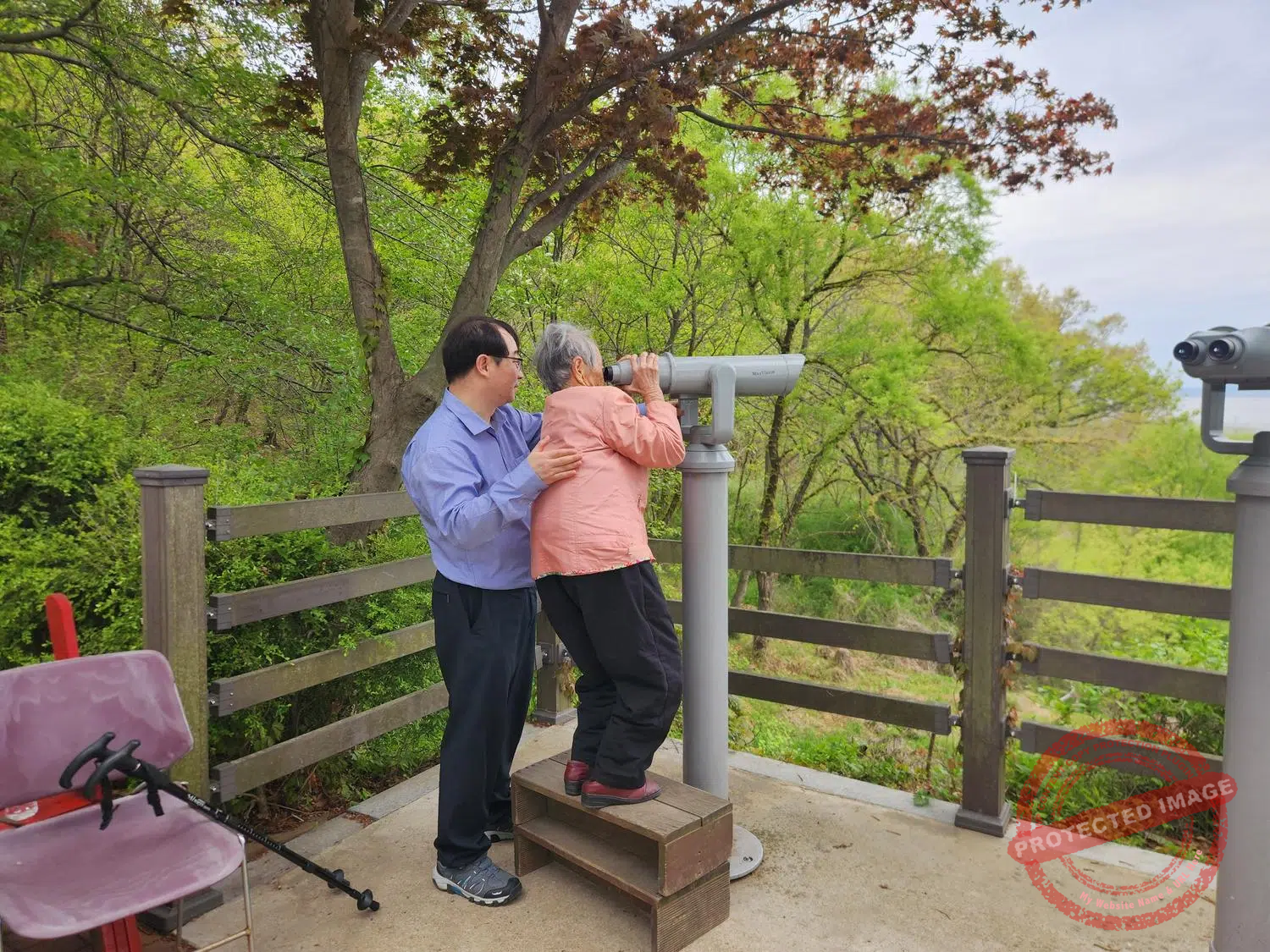
Manghyangdae Observatory, Gyodong Island (May 2025).
In the observatories, I met displaced North Koreans who have come to see their lost homeland from afar, veterans from the Korean War, schoolchildren on field trips, families, religious groups and many foreign tourists.
Pain of divided families, anti-communist sentiment, thirst for thrills, duty, or simple curiosity: everyone has their own reason for going to the border. And everyone has their own way of observing North Korea.
I found that these differences in attitude illustrate quite well all the feelings generated by the Division of Korea, from extreme absurdity to extreme sadness, and from indifference to morbid curiosity.
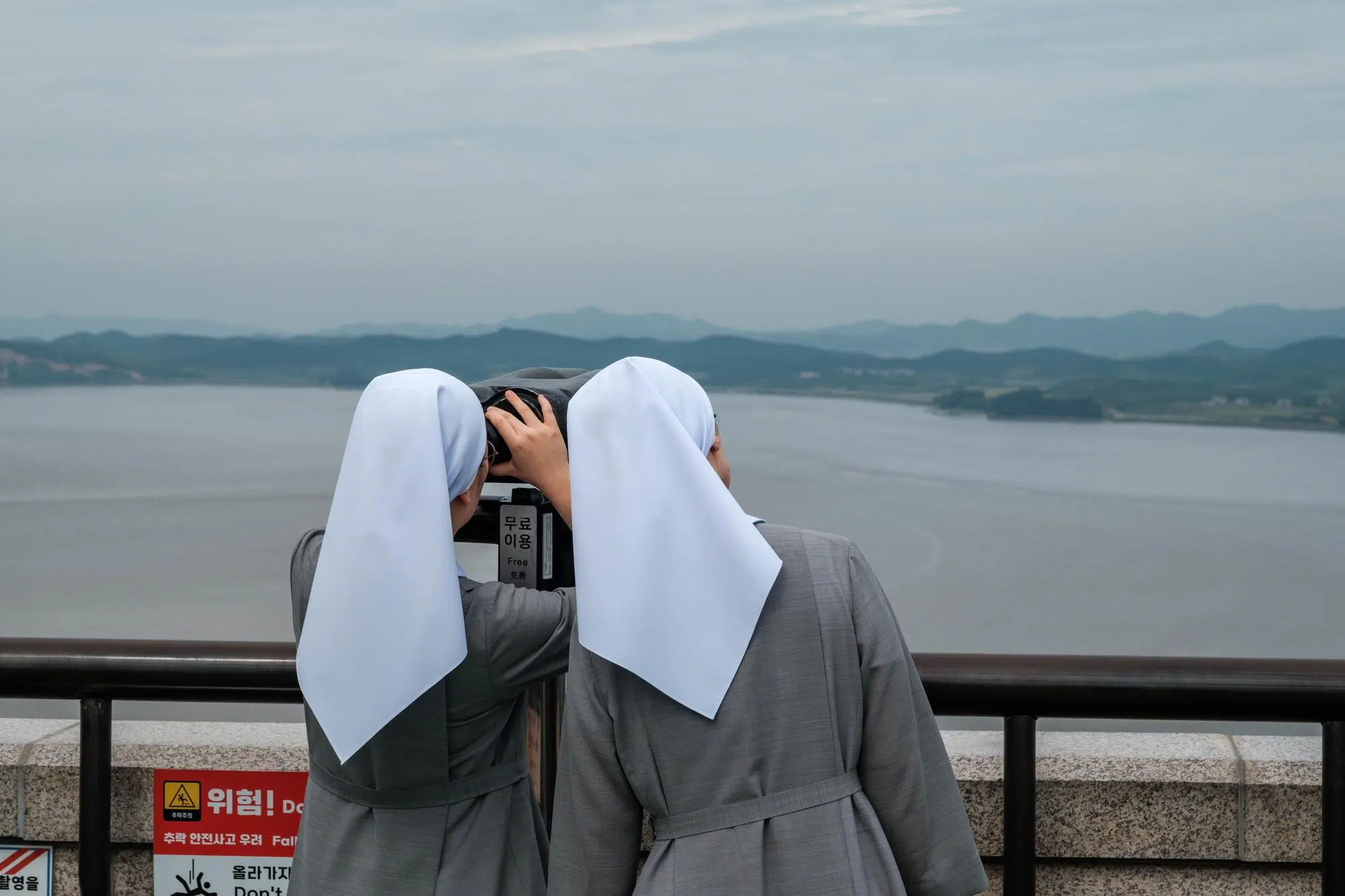
Odusan Unification Observatory, Paju City (September 2026).
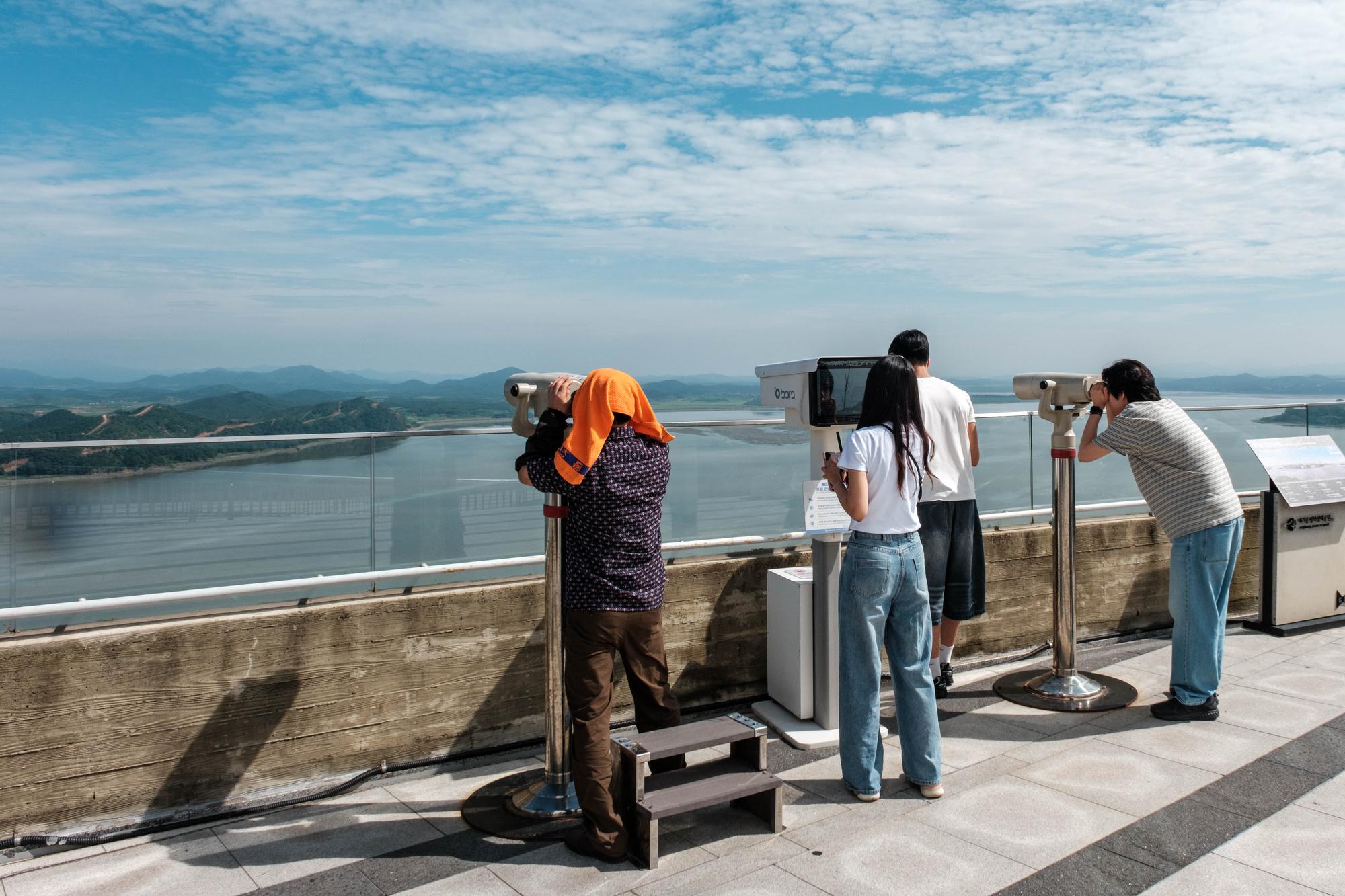
Aegibong Jogang Observatory, Gimpo City (August 2026).
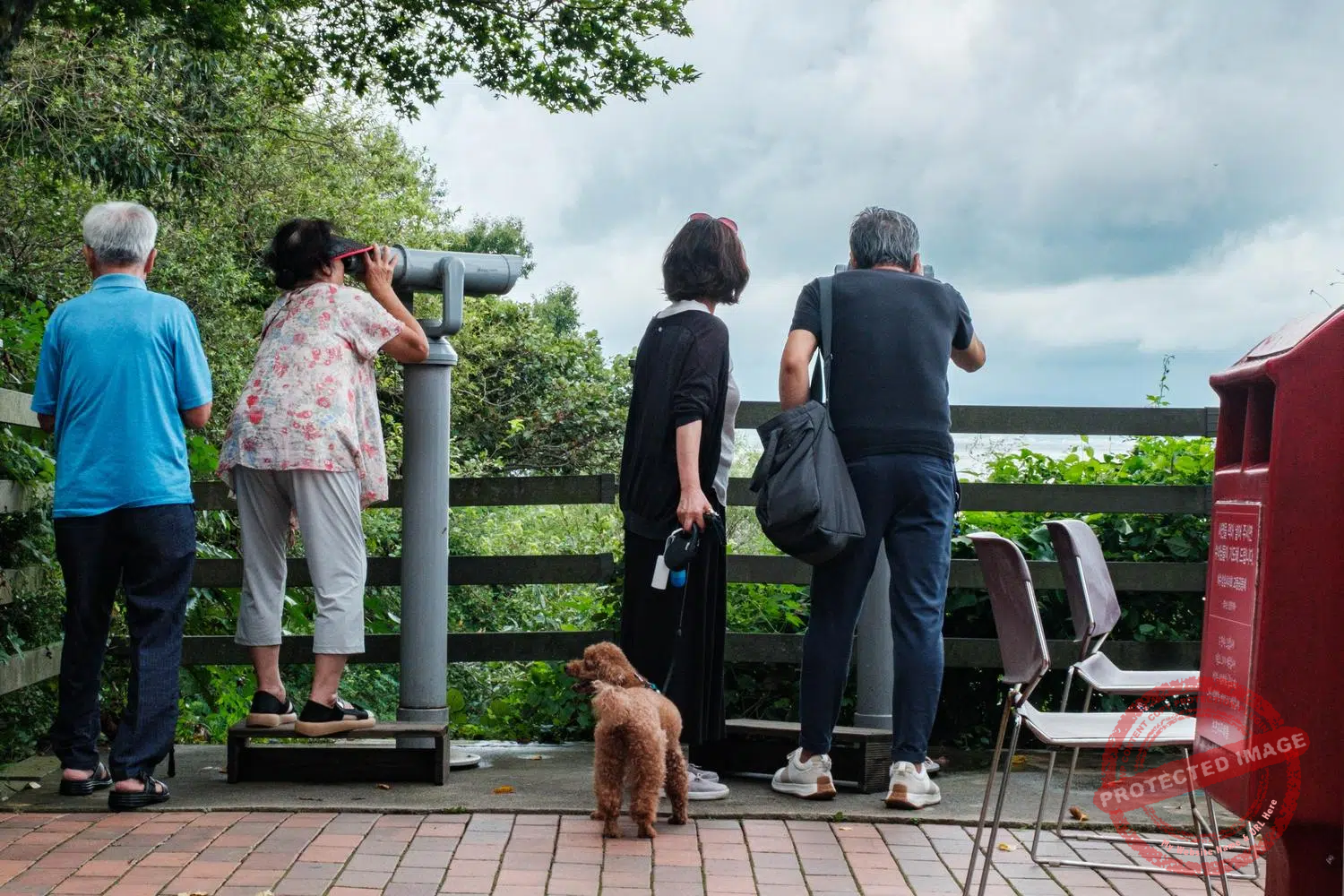
Manghyangdae Observatory, Gyodong Island (September 2025).
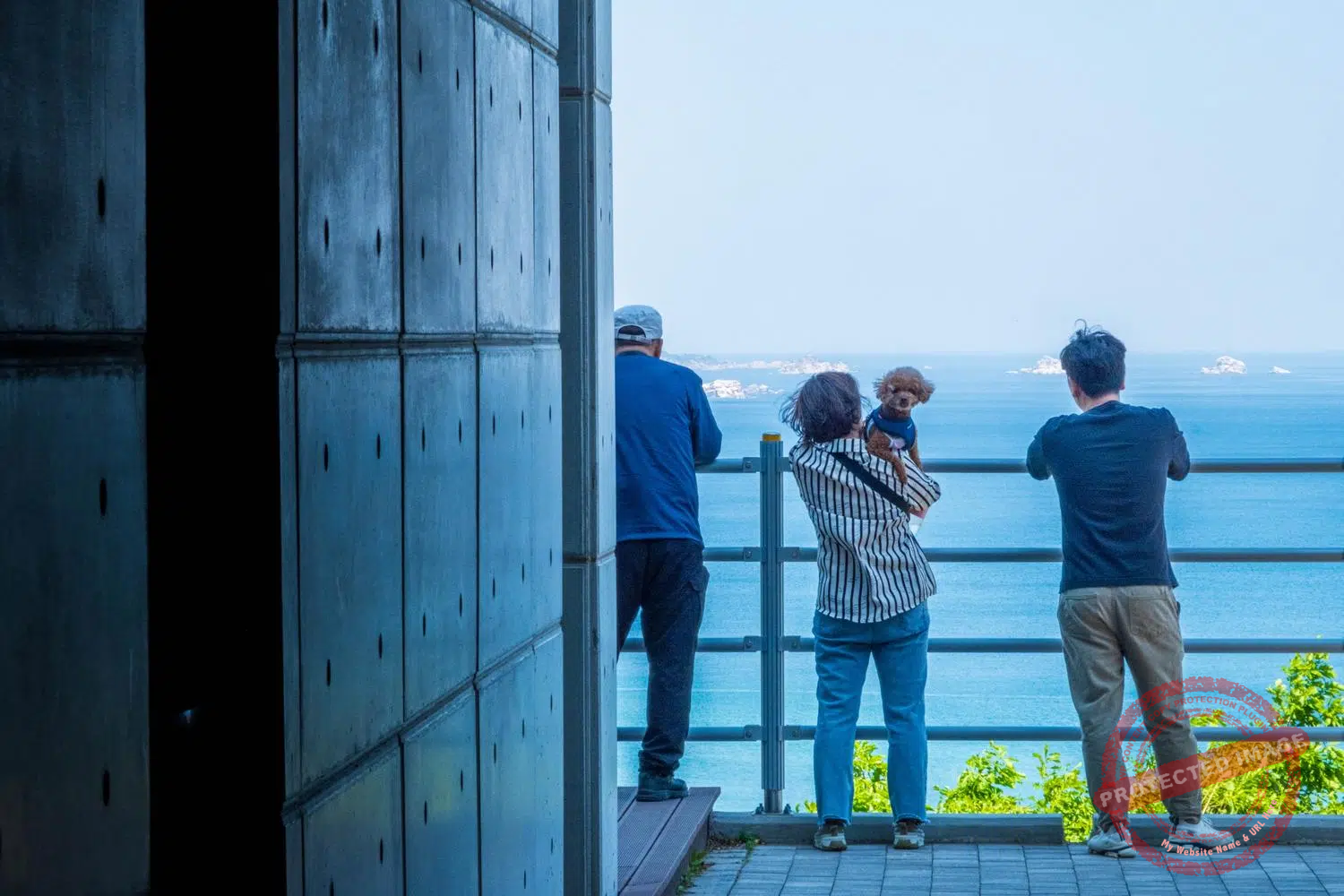
Goseong Unification Tower (May 2025).
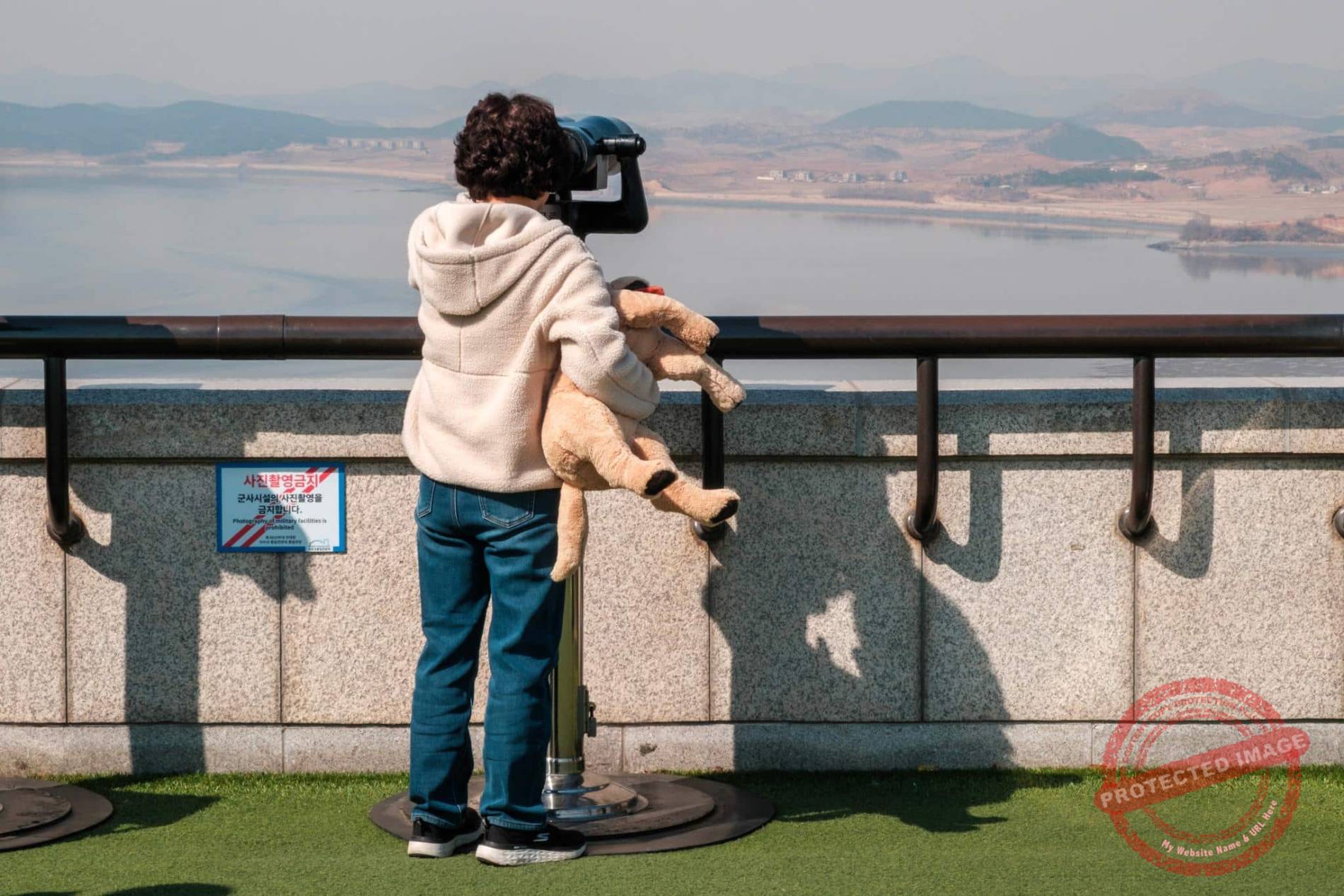
Odusan Unification Observatory (February 2025).
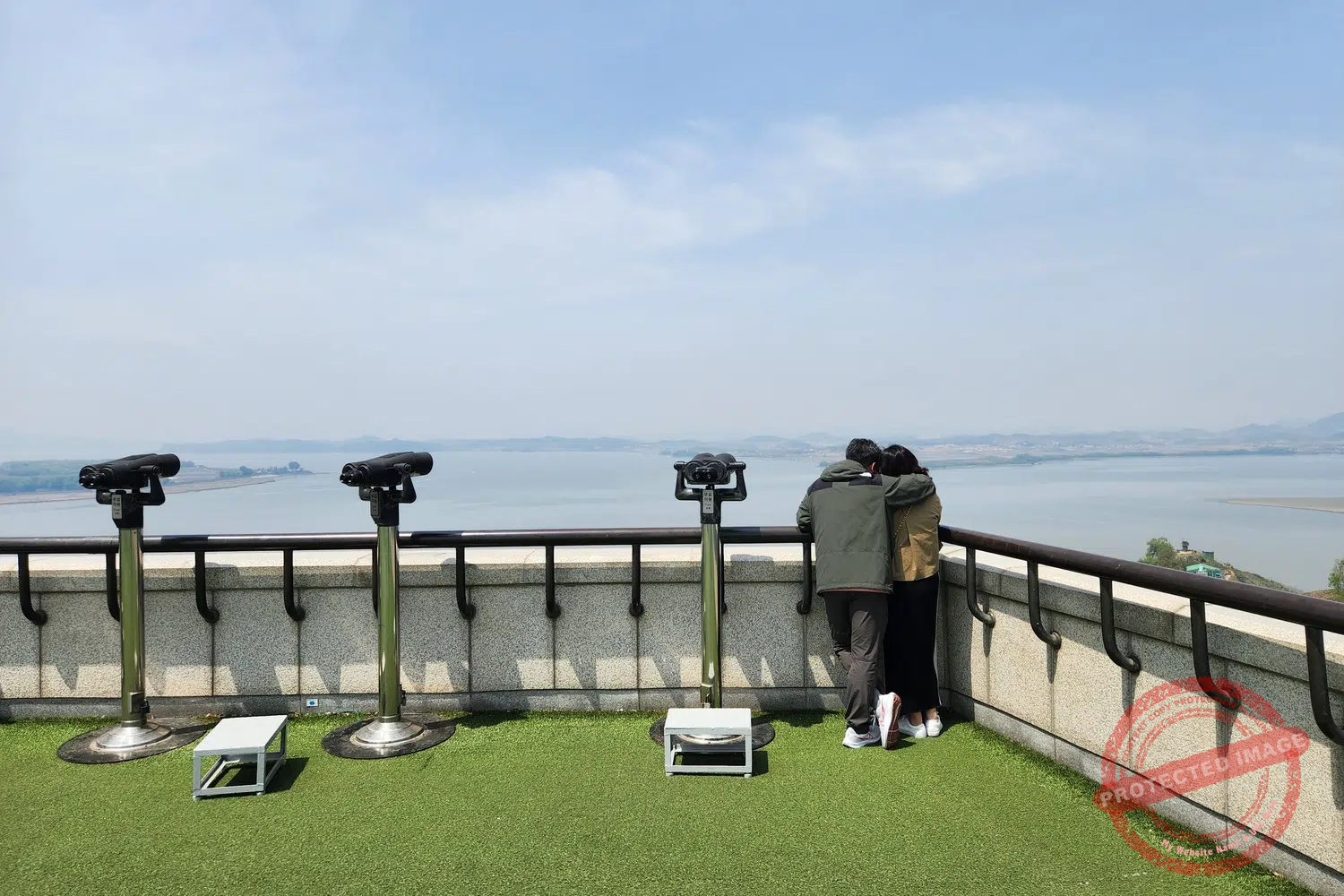
Odusan Unification Observatory, Paju City (February 2025).
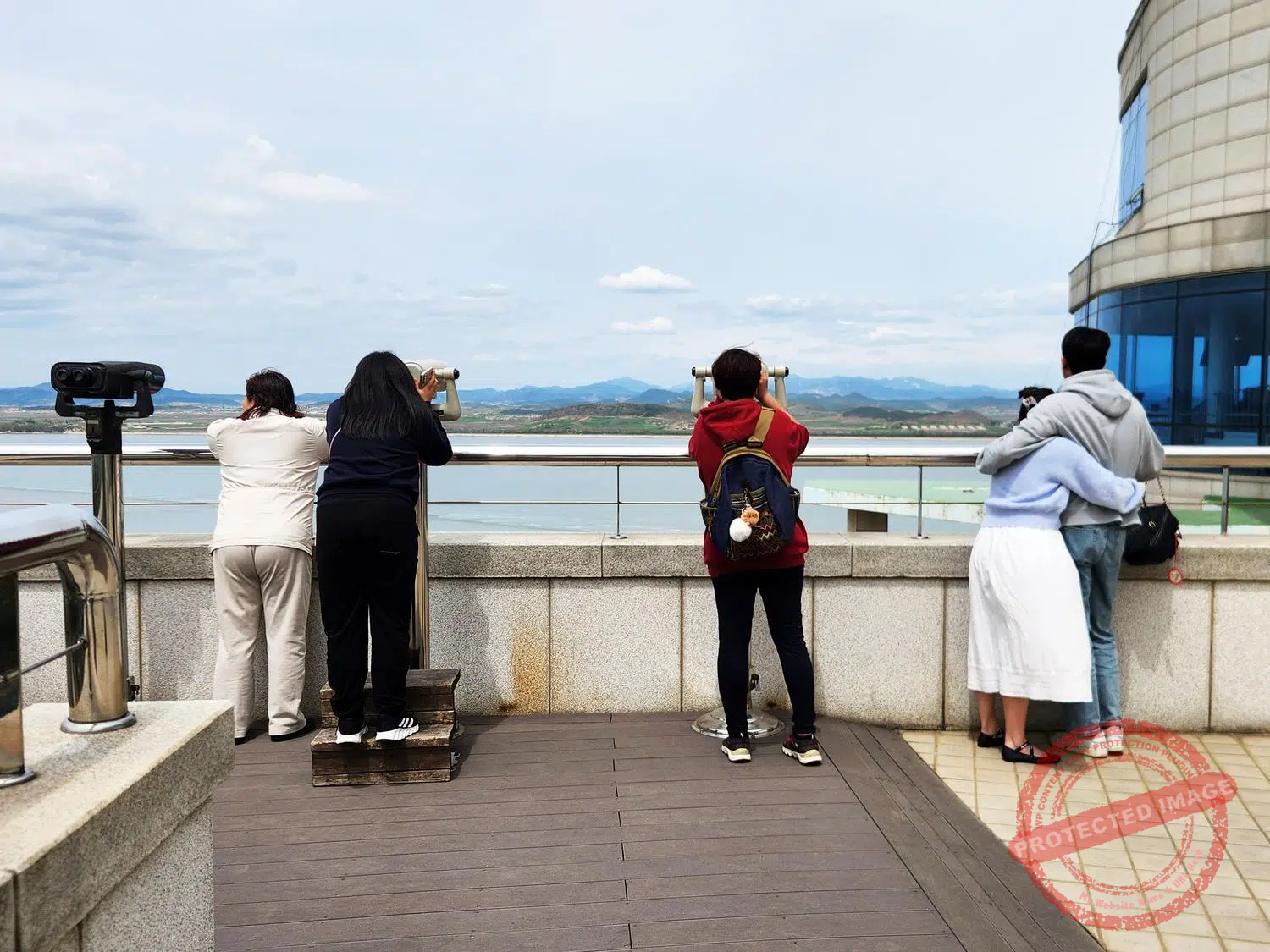
Ganghwa Peace Observatory, Incheon City (April 2025).
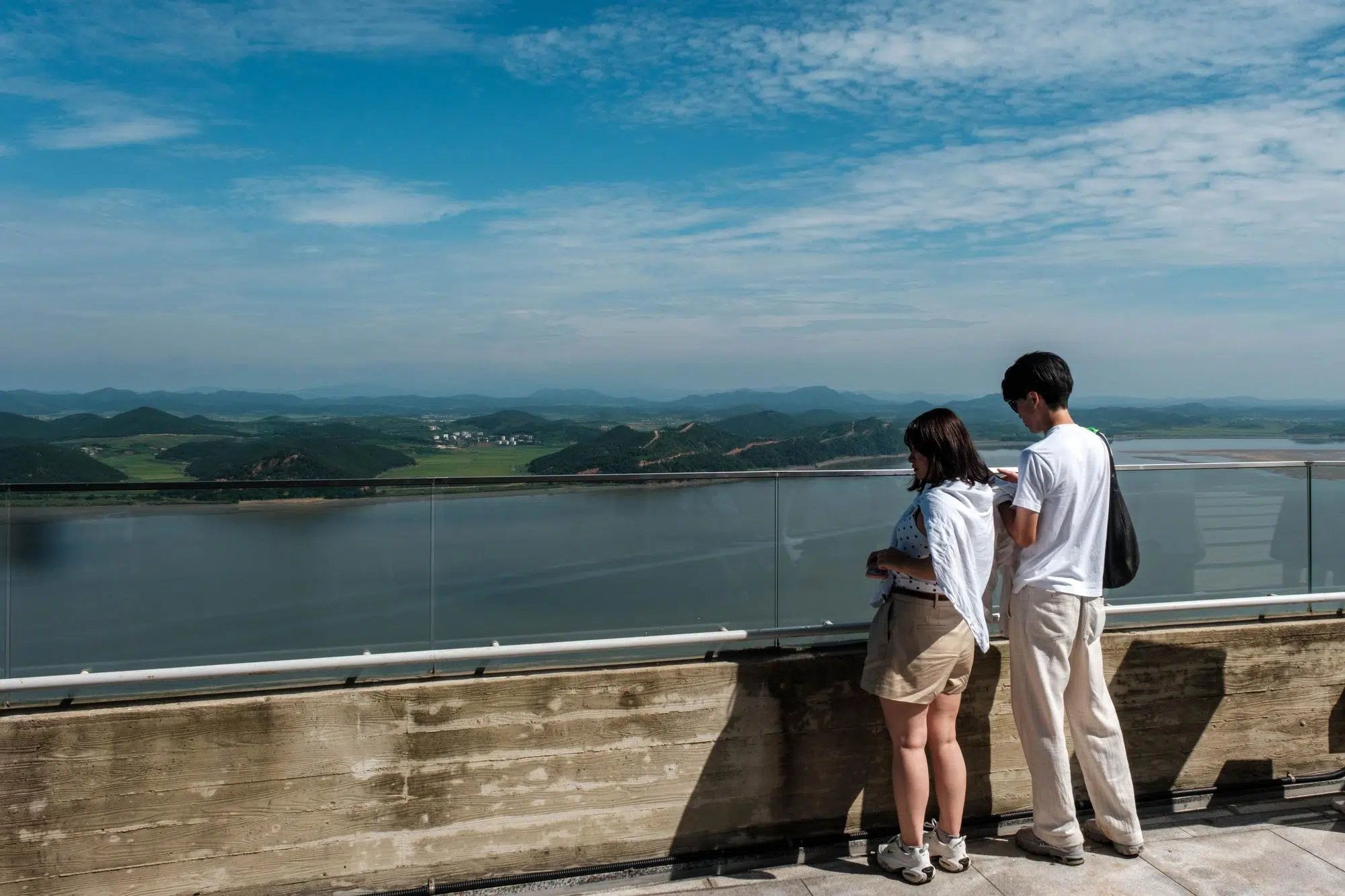
Jogang Observatory, Gimpo City (August 2026).
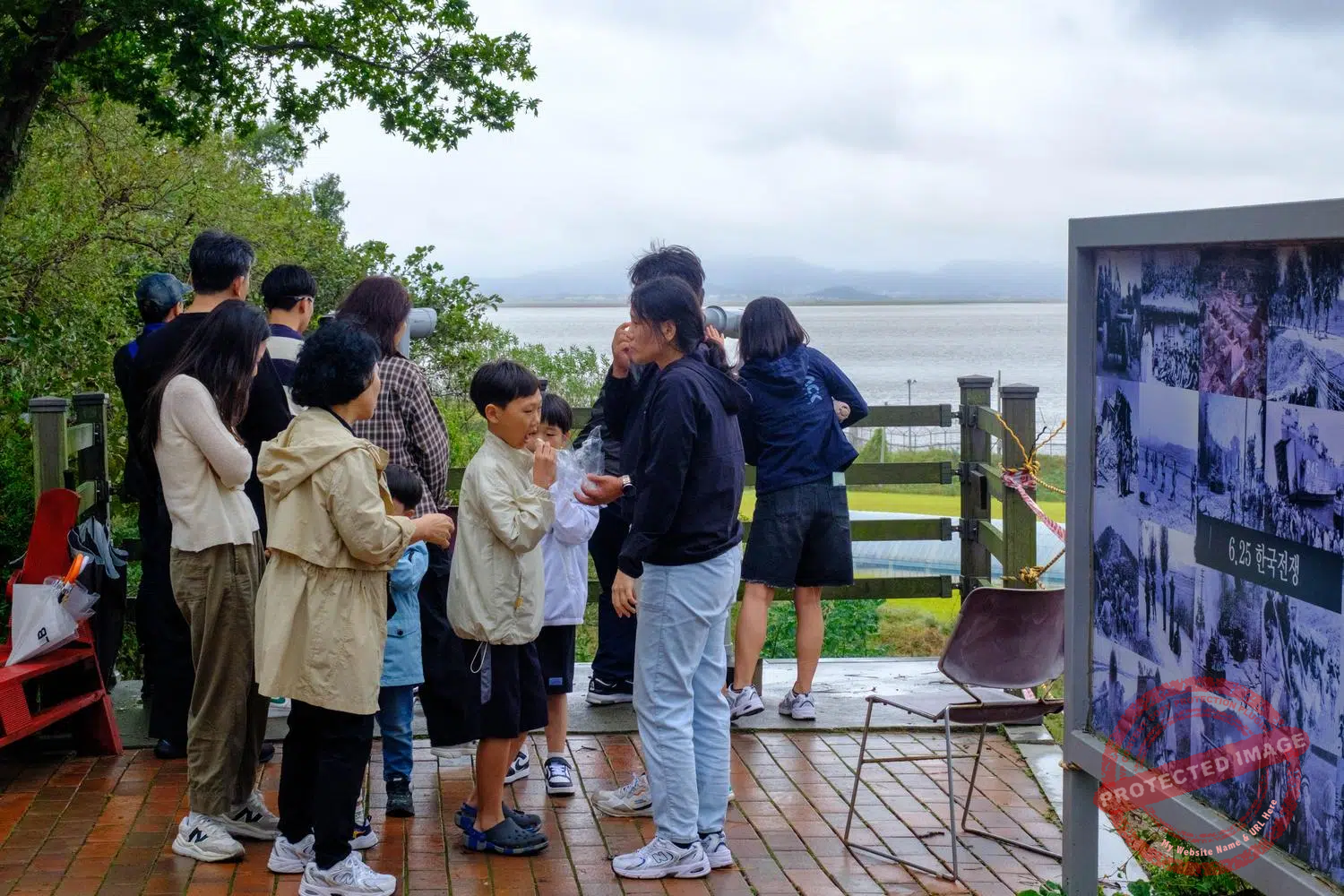
Manghyangdae Observatory, Gyodong Island (October 2025).
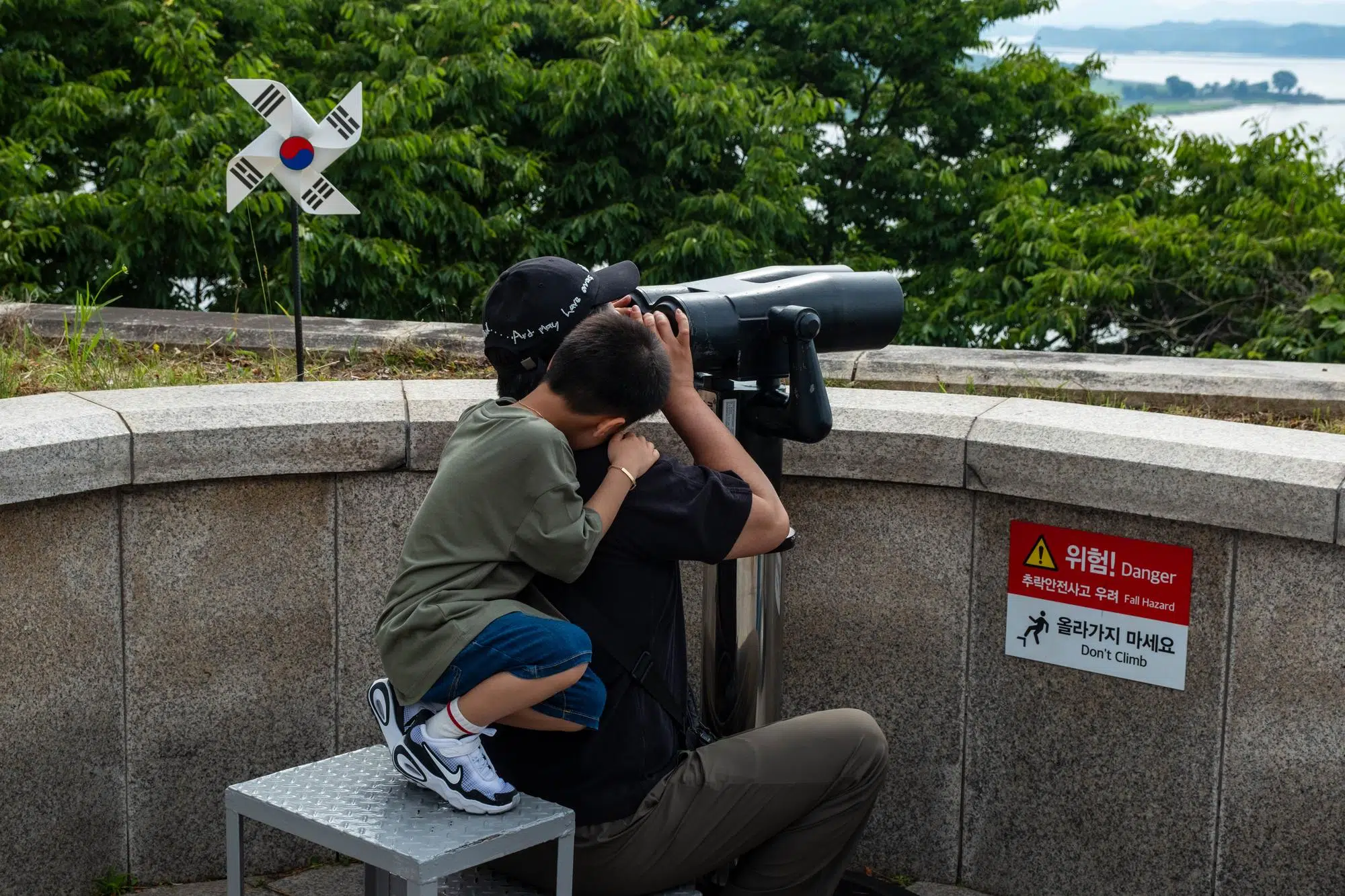
Odusan Observatory, Paju City (June 2026).
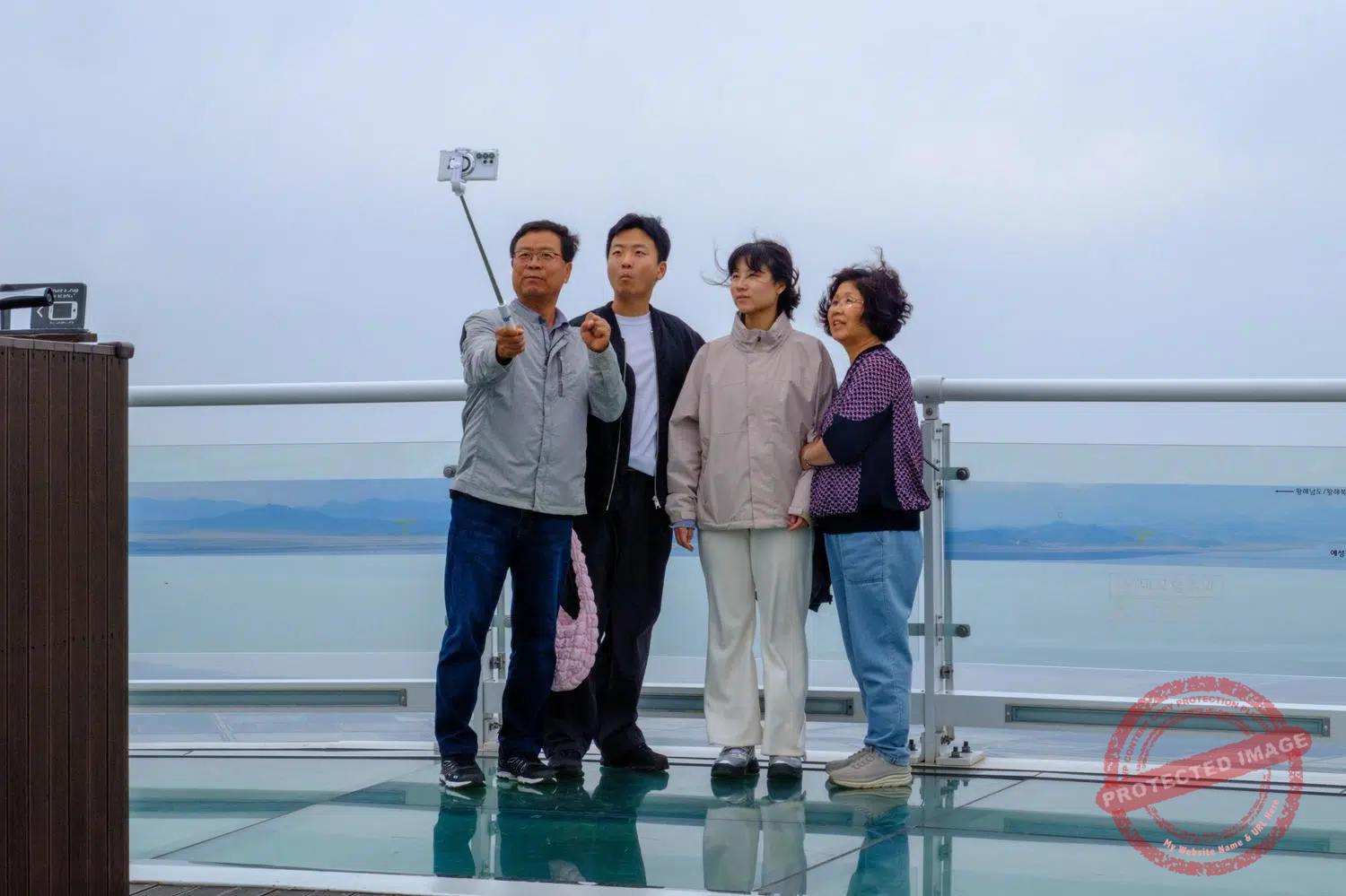
Hwagaesan Observatory, Gyodong Island (May 2025).
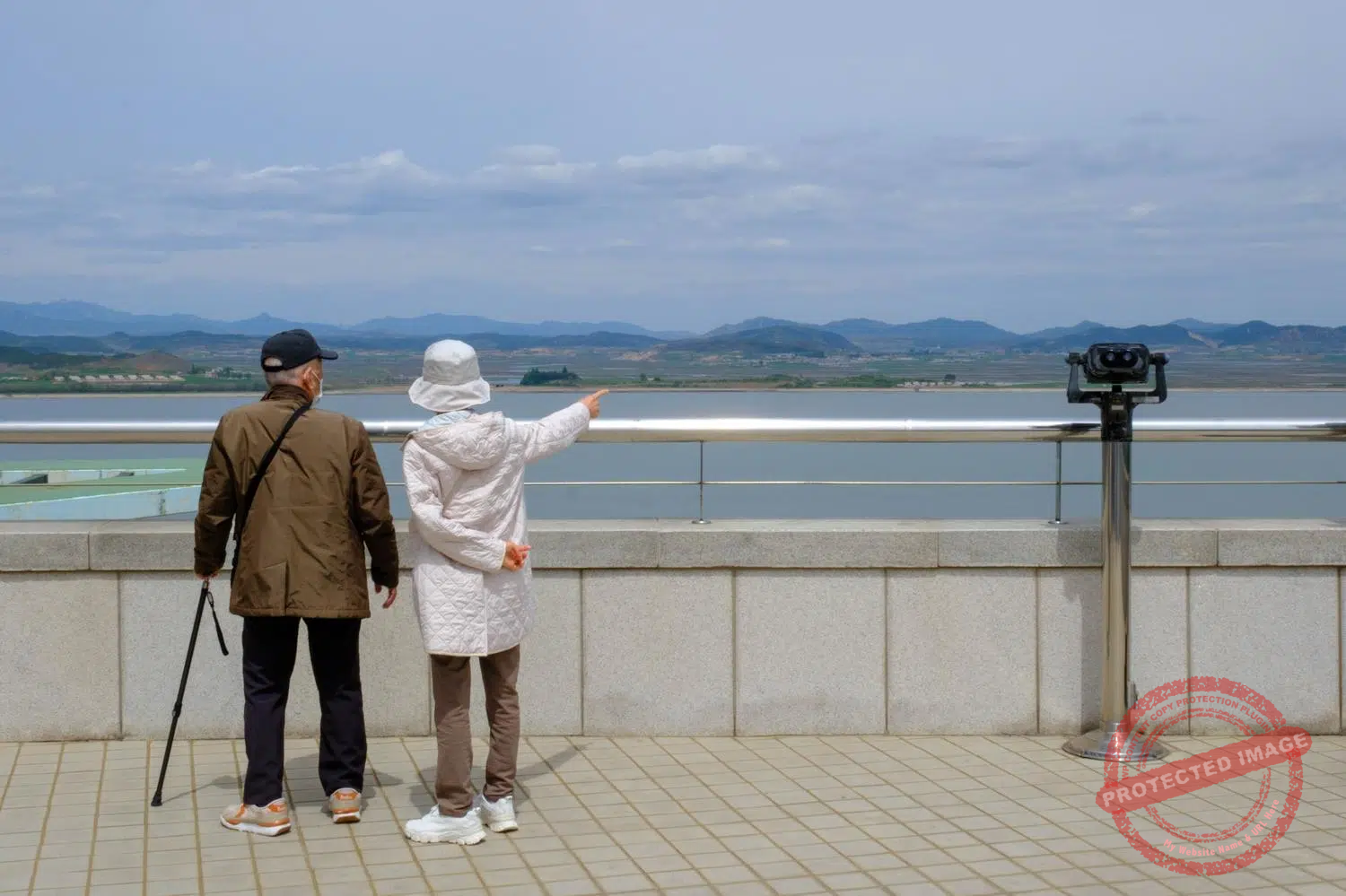
Ganghwa Peace Observatory (May 2025).
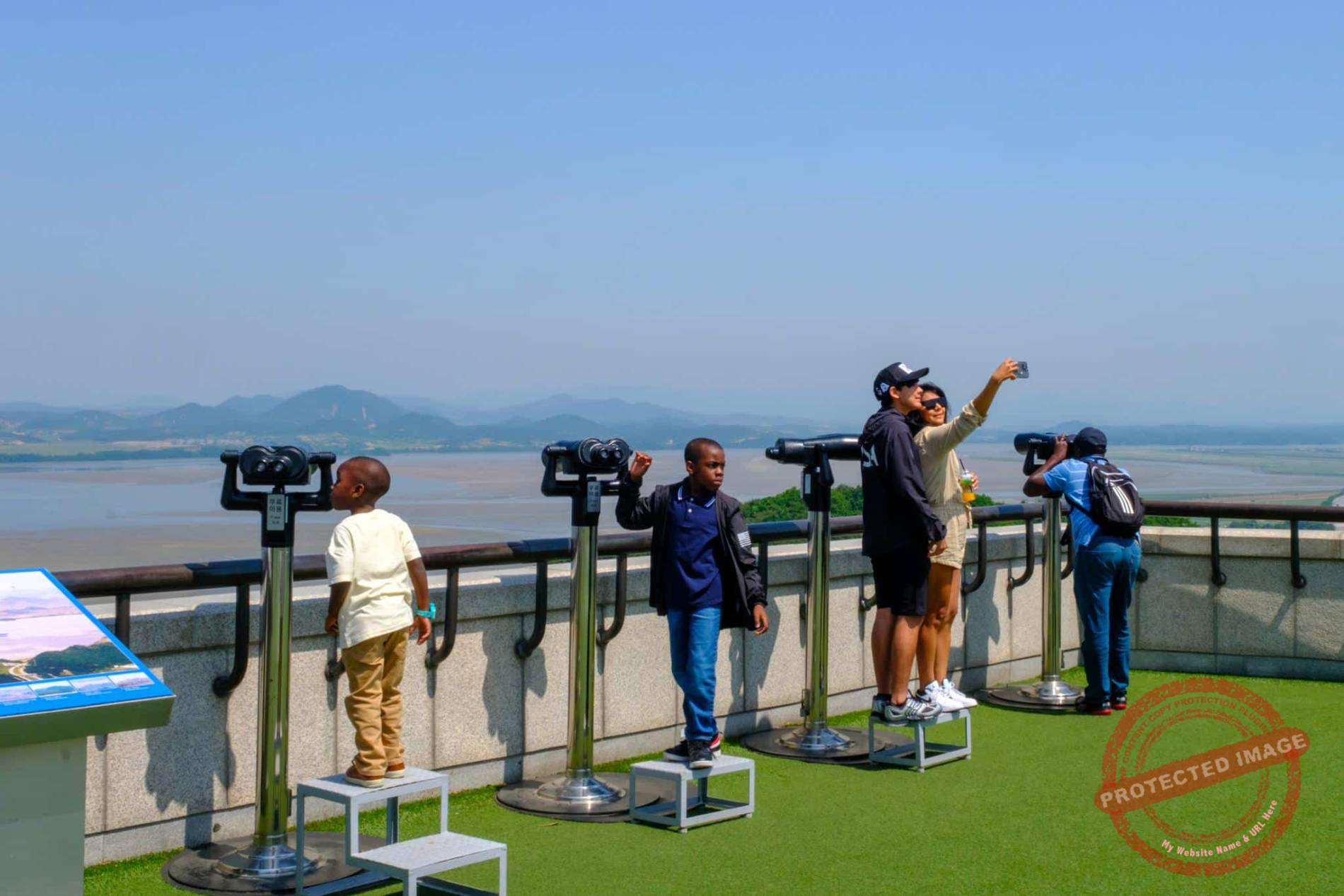
Odusan Unification Observatory, Paju City (June 2025).
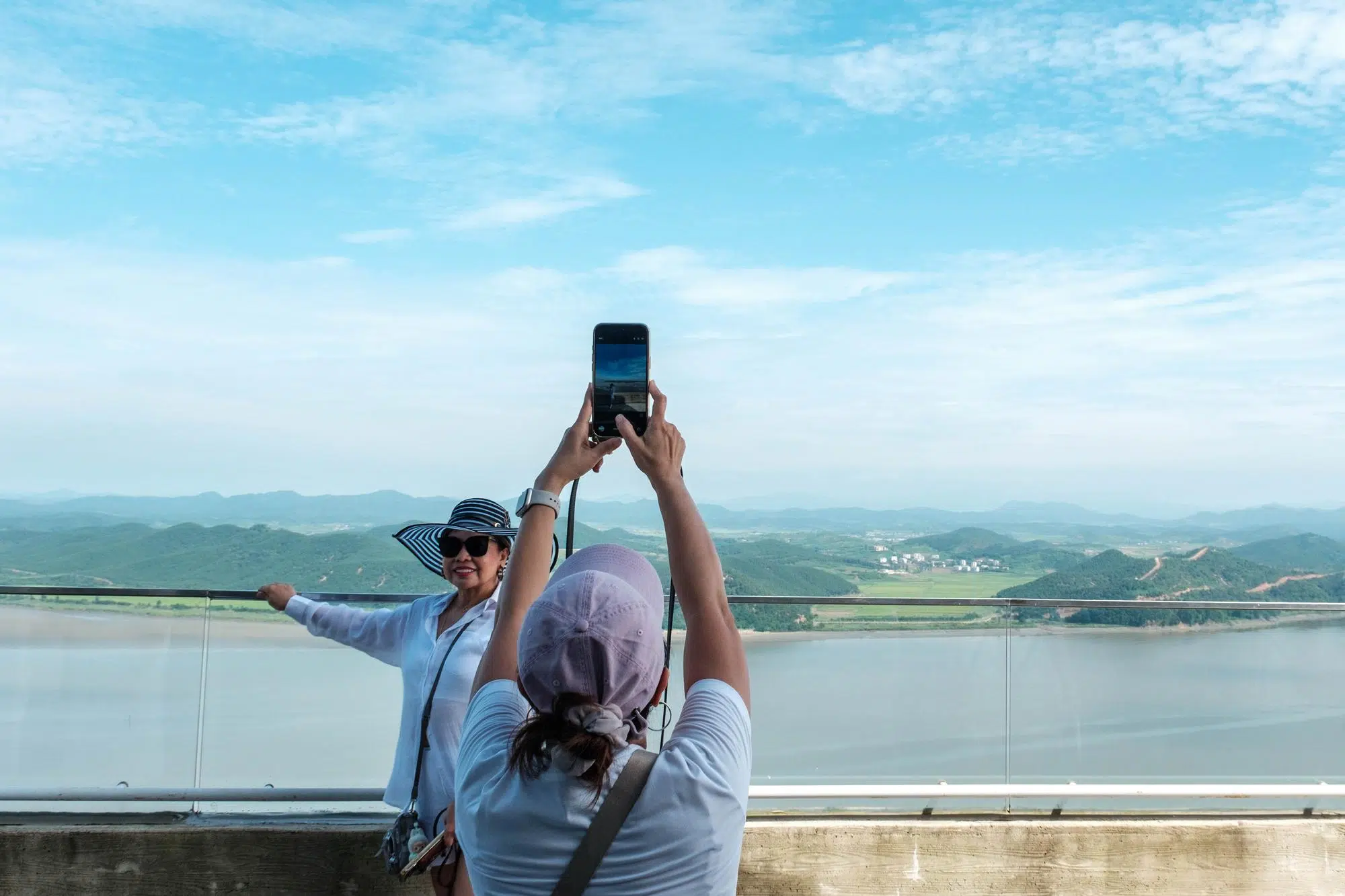
Starbucks Cafe at Jogang Observatory, Gimpo City (August 2026).
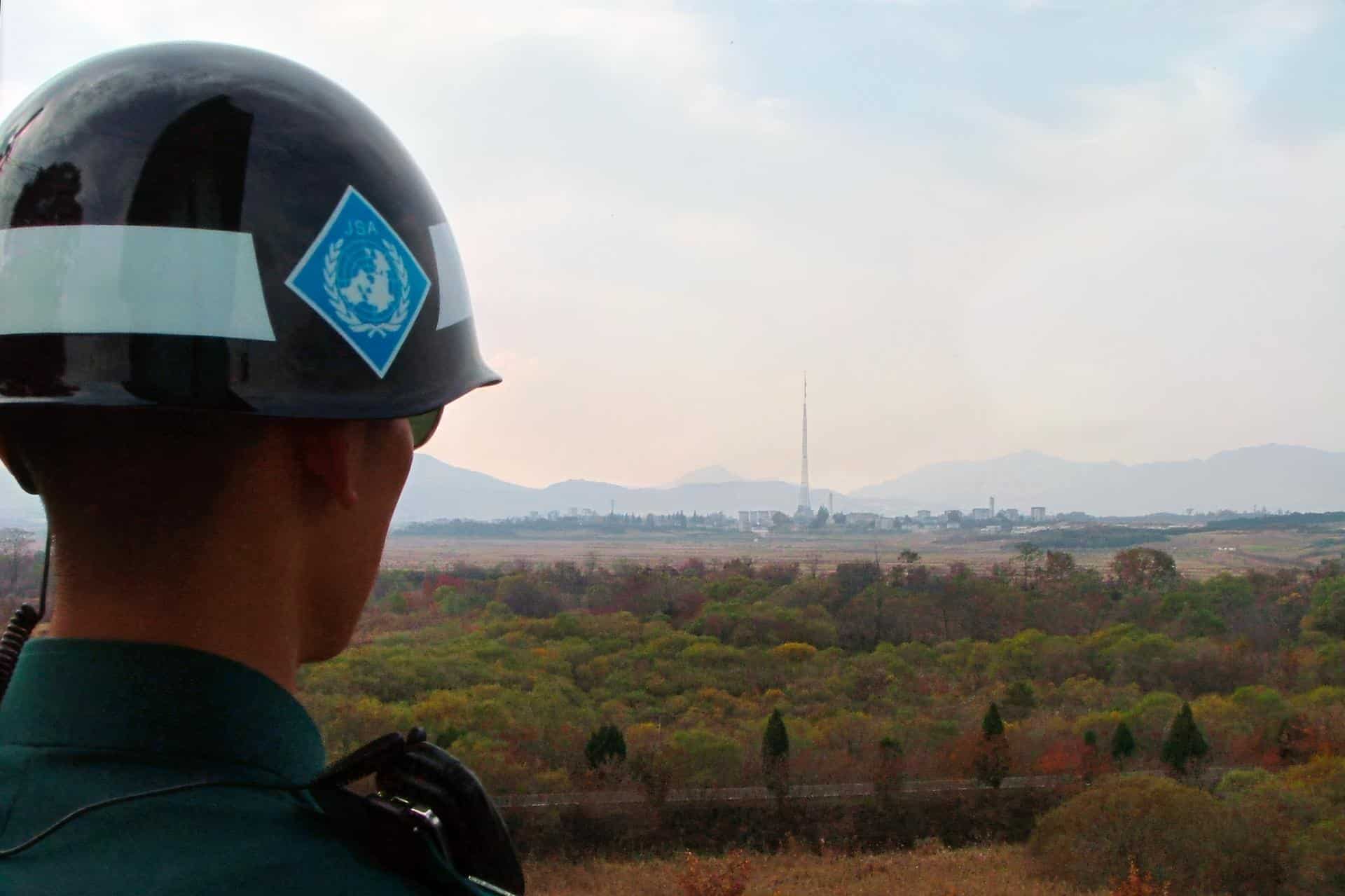
Joint Security Area, Panmunjom (November 2005).
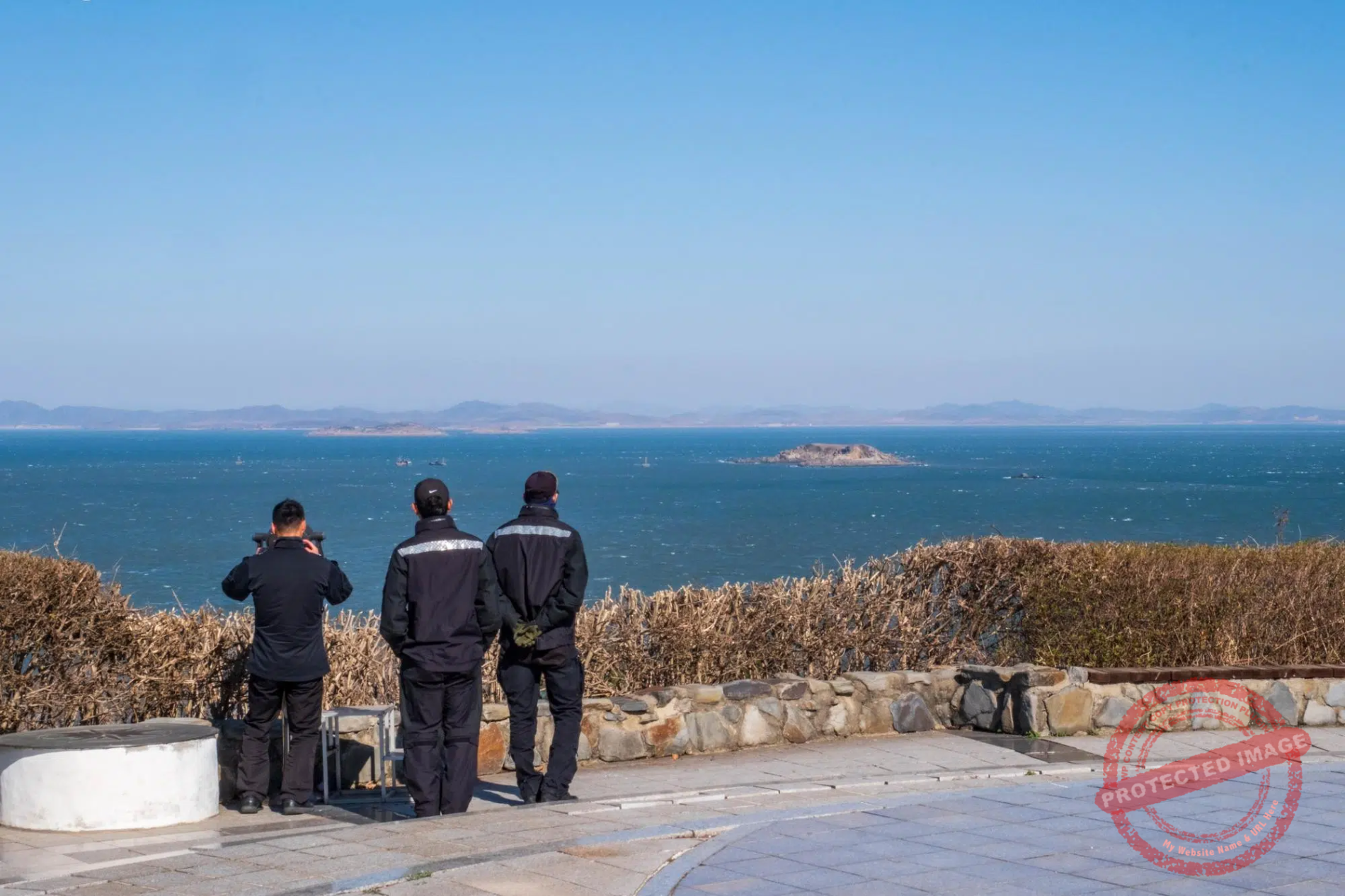
Manghyang Observation Deck, Yeonpyeong Island (March 2025).

Neutral Nations Supervisory Commission’s Swiss and Swedish Camp, Panmunjom (October 2024).
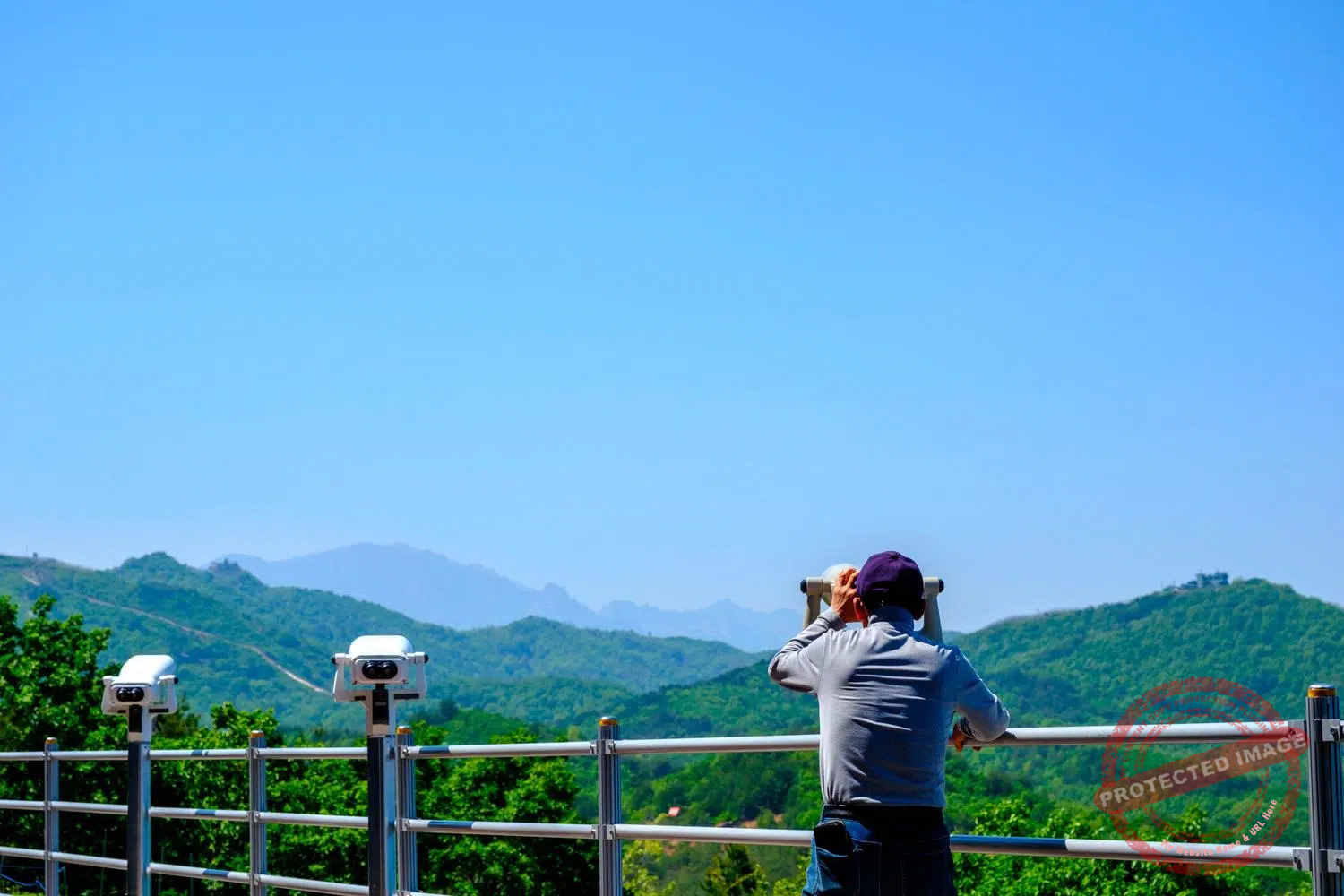
Goseong Unification Tower (May 2025).
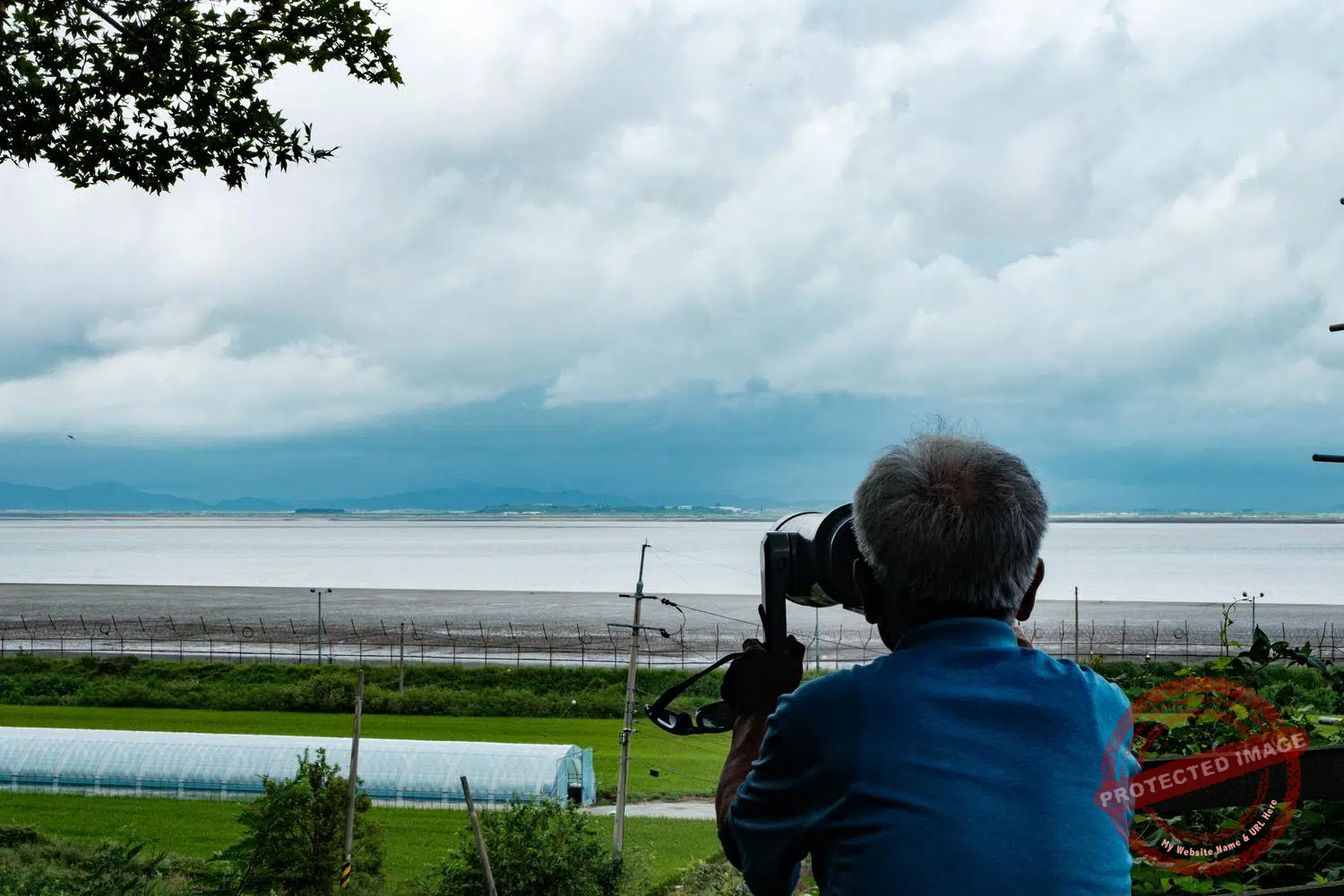
Manghyangdae Observatory, Gyodong Island (September 2025).
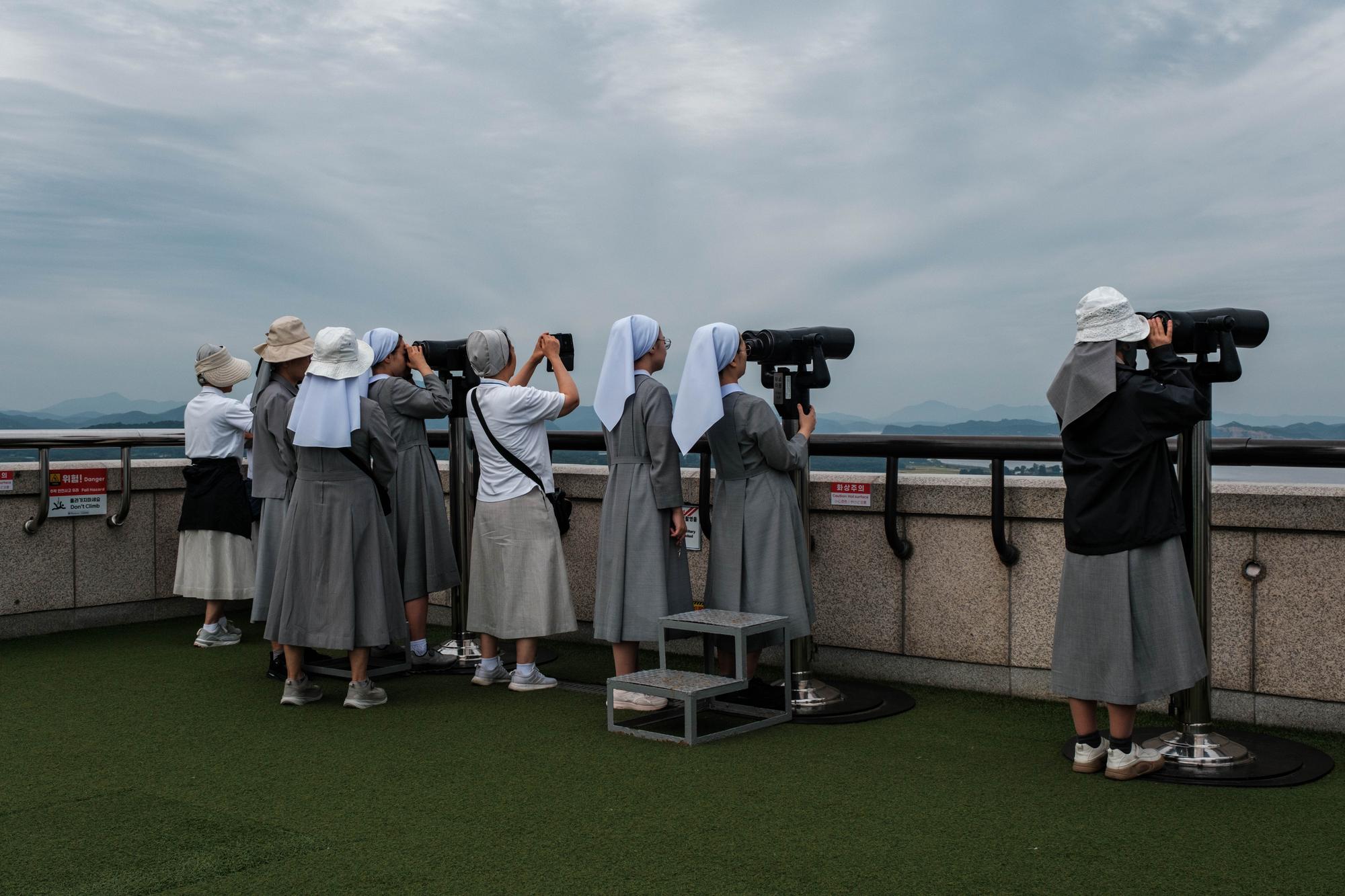
Odusan Unification Observatory, Paju City (September 2026).
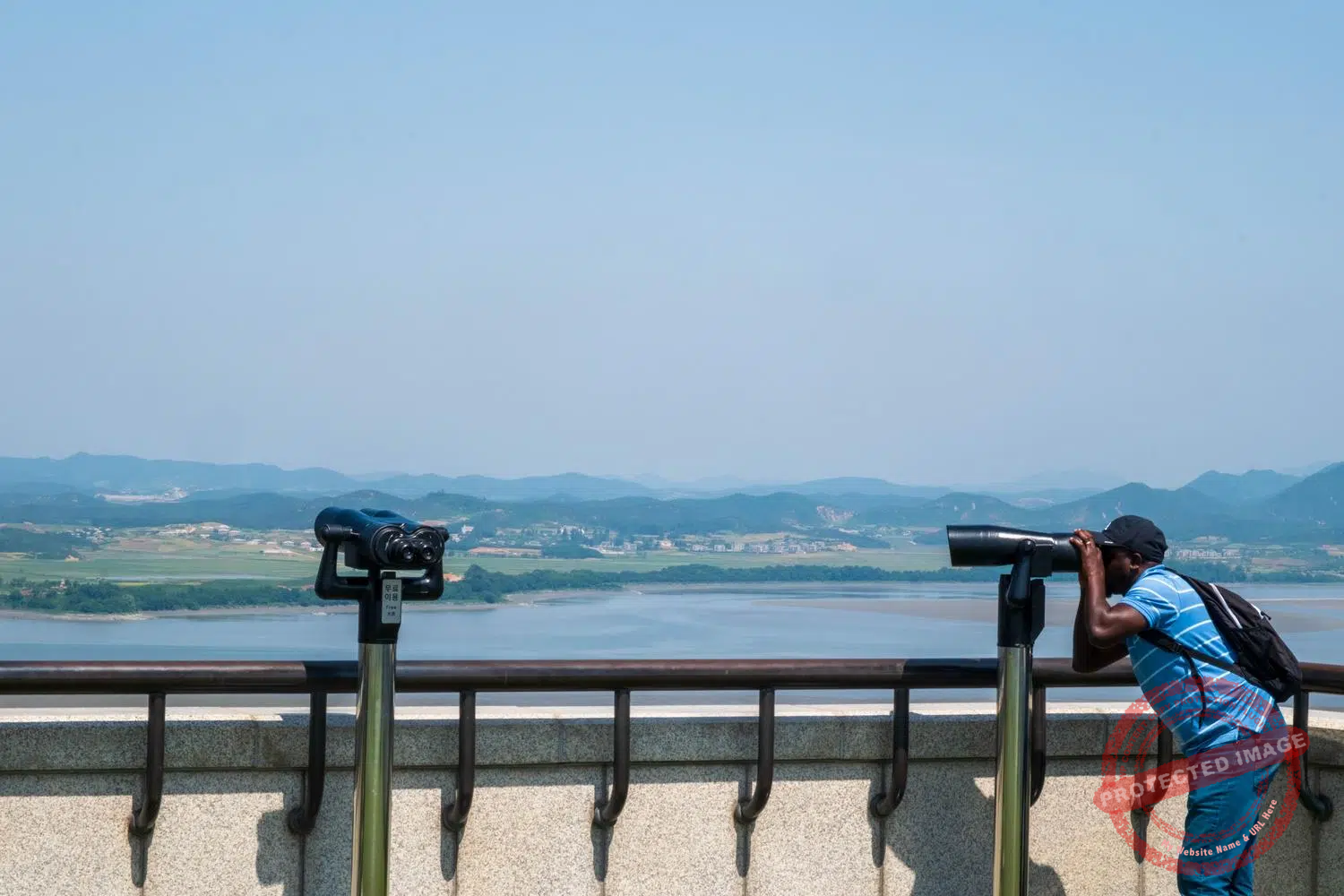
Odusan Unification Observatory, Paju City (June 2025).
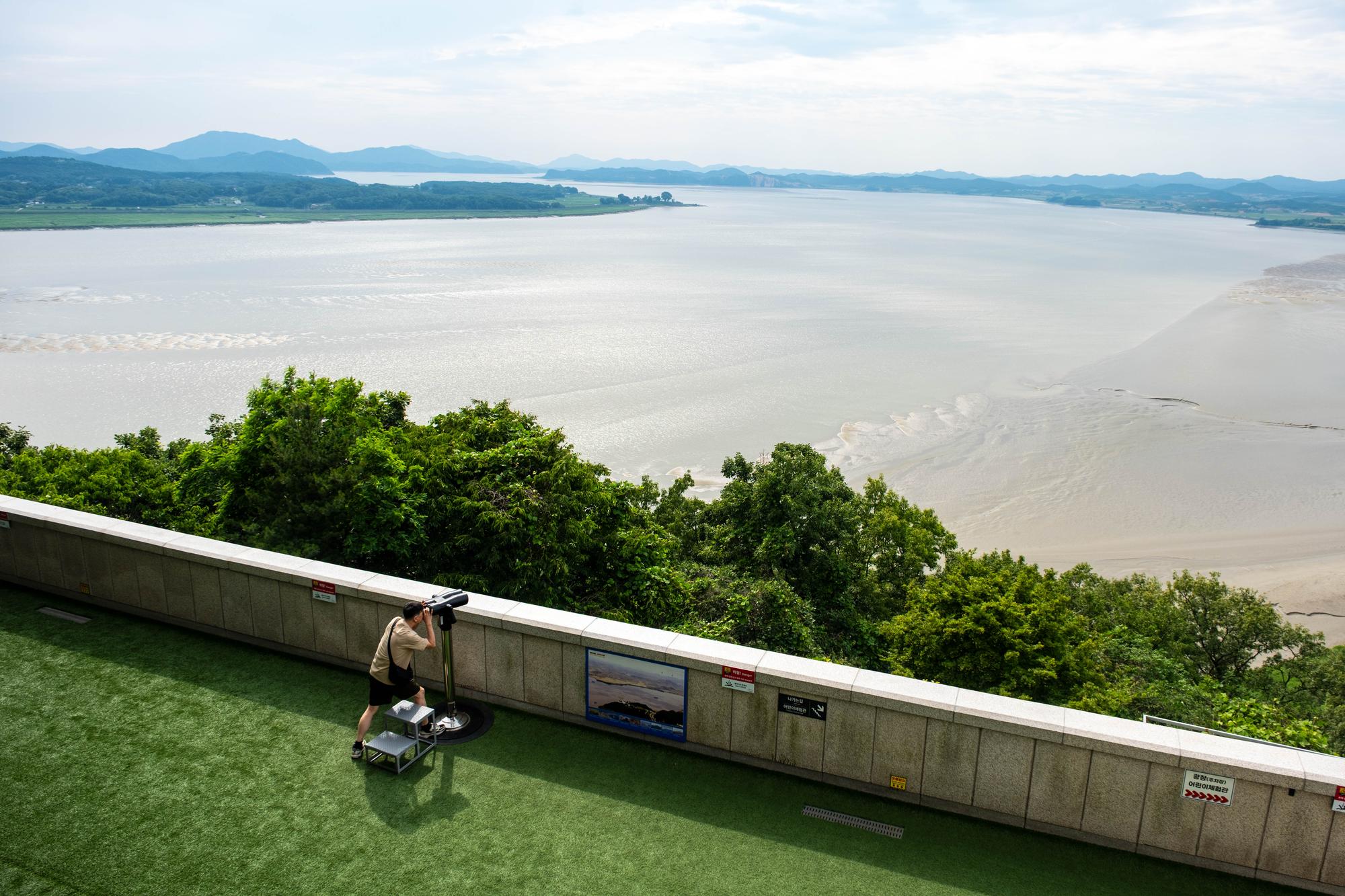
Odusan Unification Observatory, Paju City (June 2026).

Odusan Unification Observatory, Paju City (September 2024).
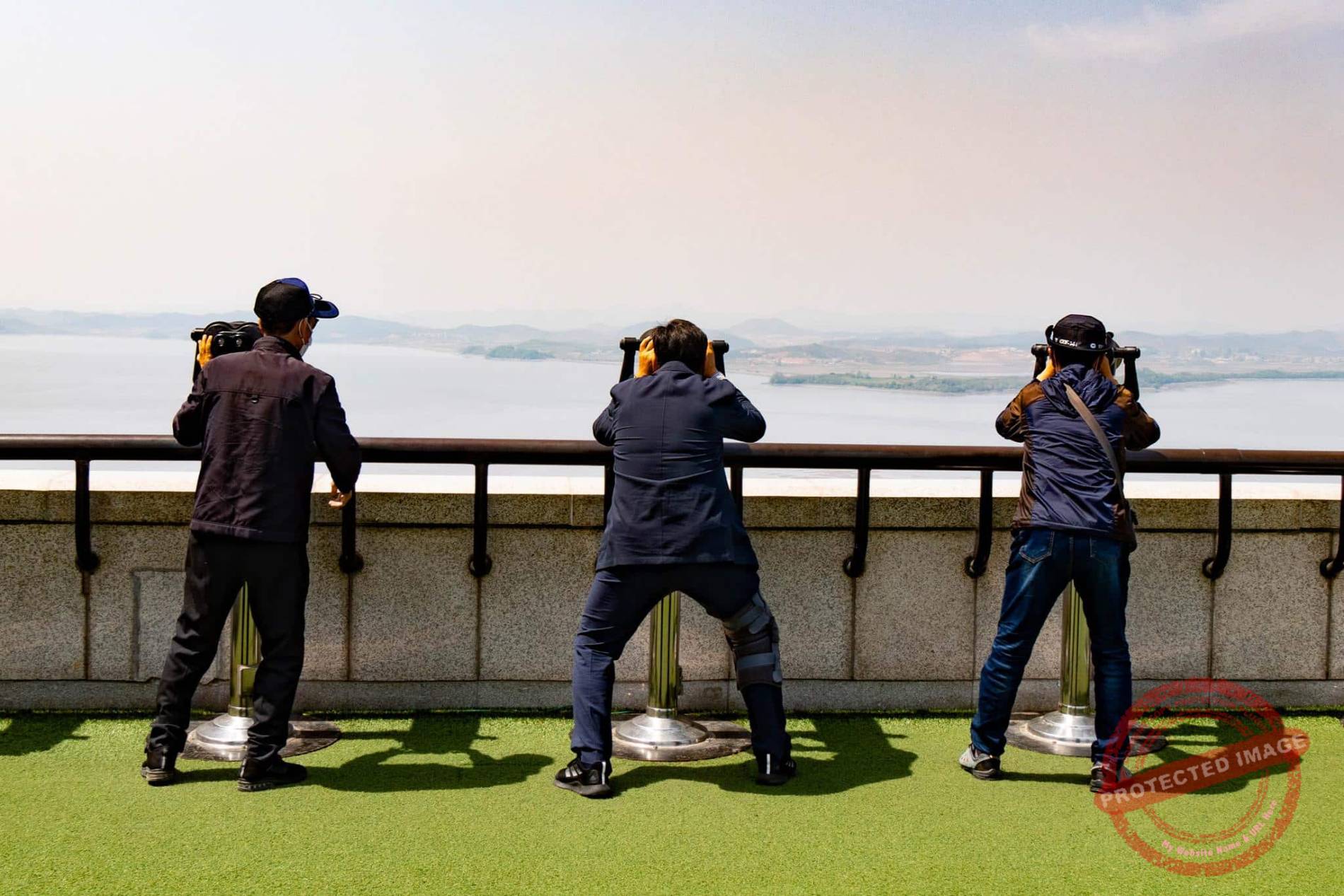
Odusan Unification Observatory, Paju City (April 2023).
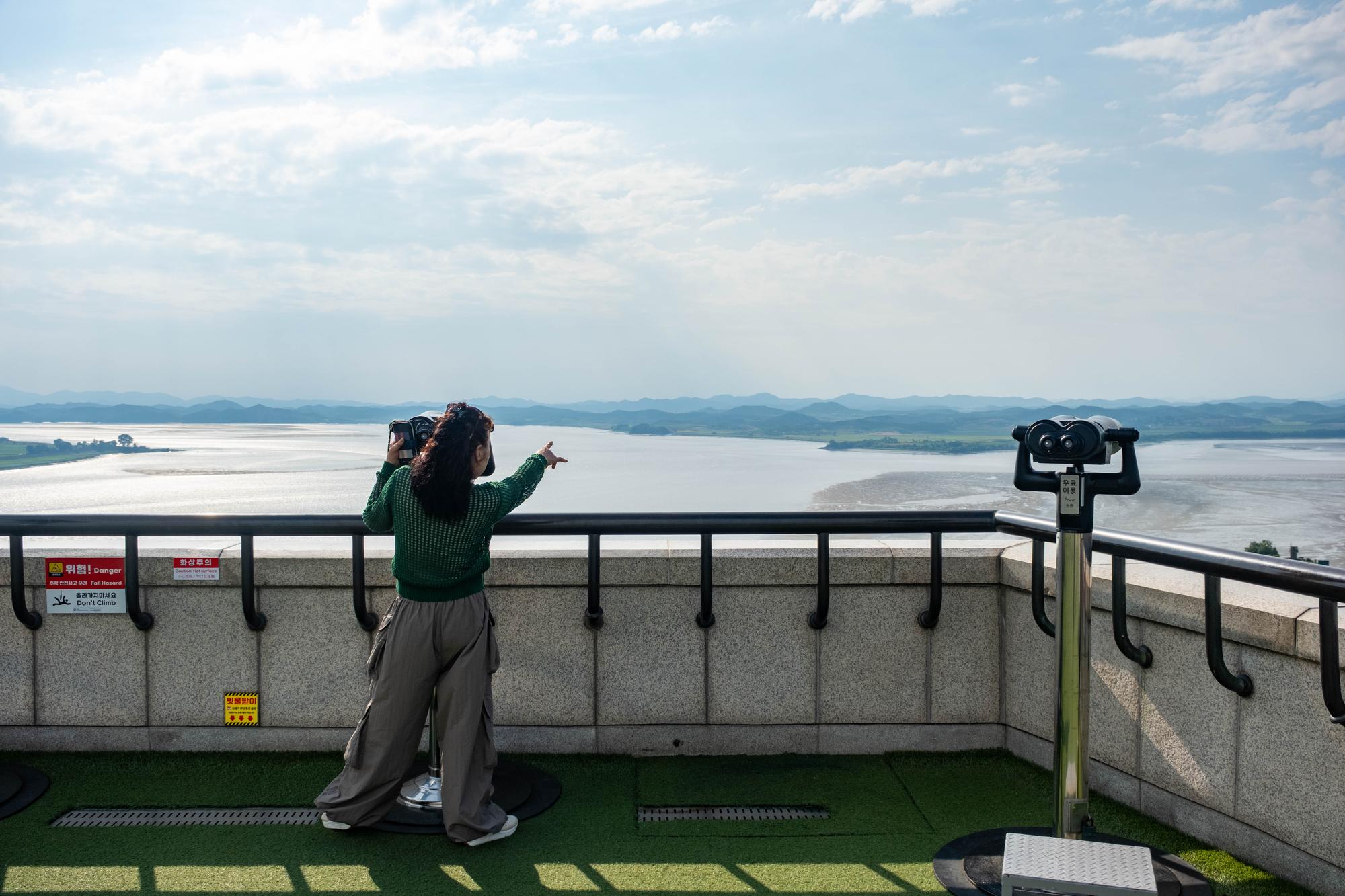
Odusan Unification Observatory, Paju City (June 2026).
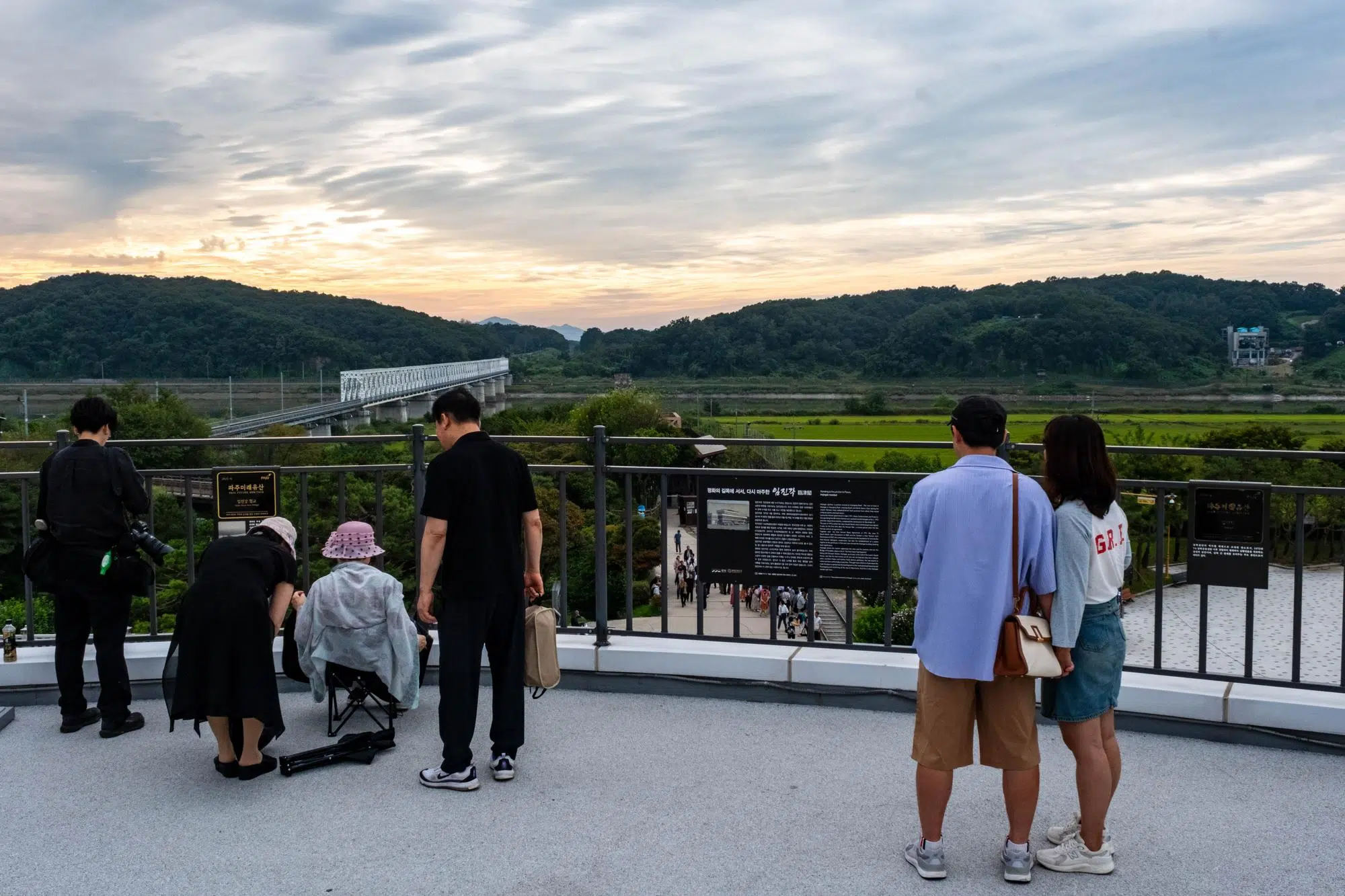
Imjingak (September 2026).
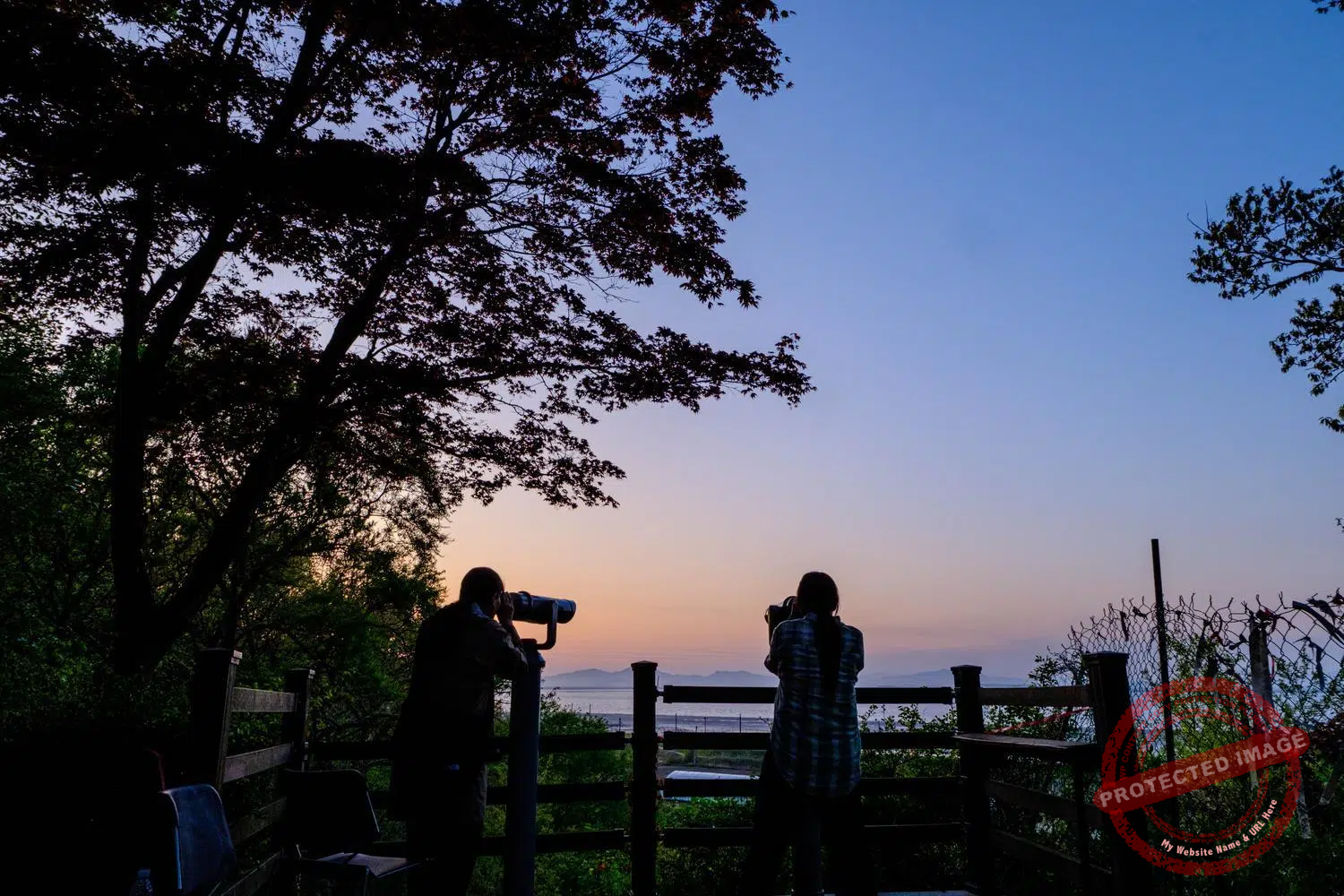
Manghyangdae Observatory, Gyodong Island (May 2025).
This post was last updated on : September 13, 2026.