Border Tourism
접경지역 관광
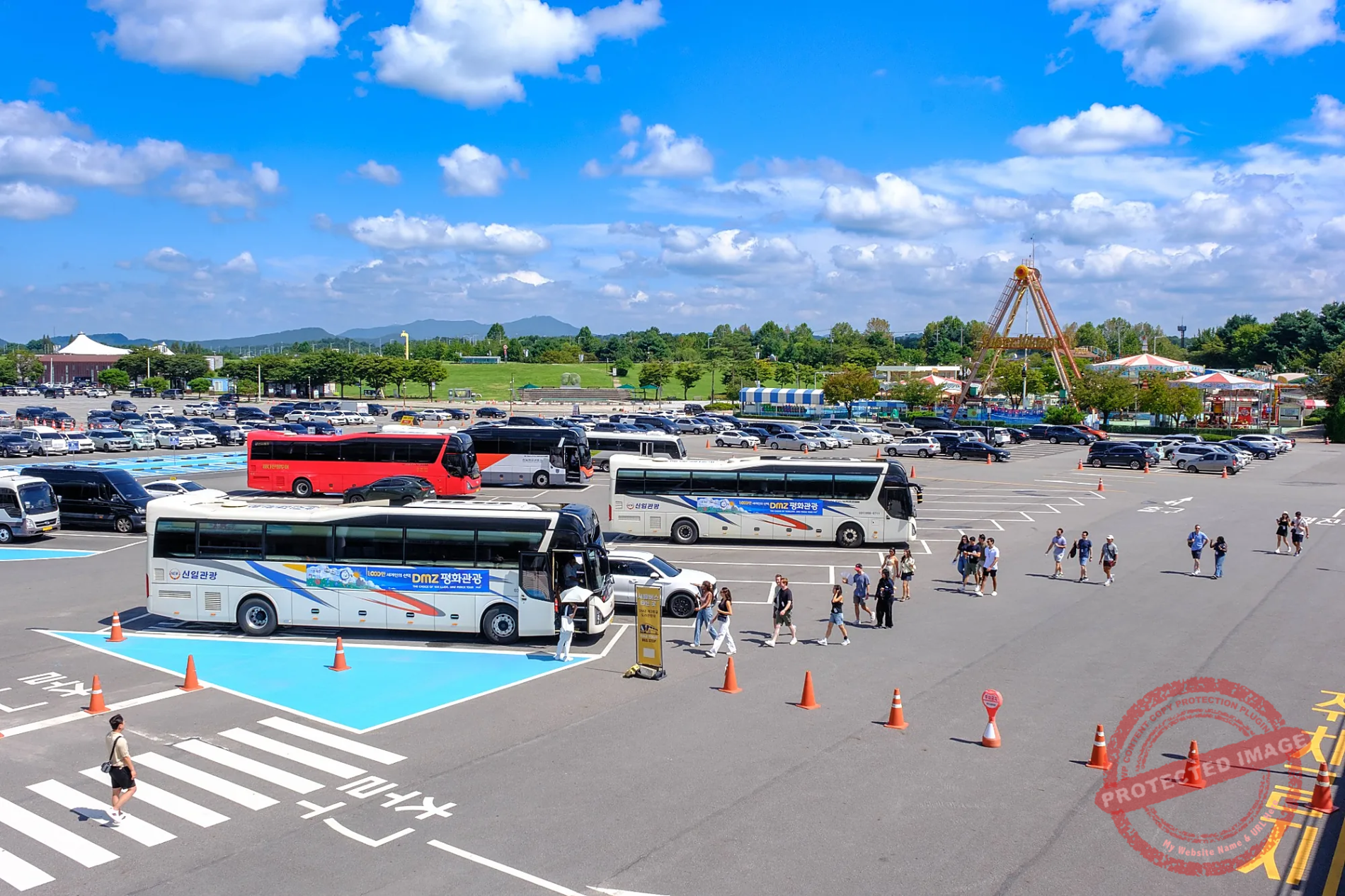
Tourists board a bus at the Imjingak complex in Paju (September 2025).
“More than five million people visit tourist sites on the inter-Korean border each year—just shy of the number who visit the Eiffel Tower in Paris—including three million who visit the Imjingak complex in Paju, about 50 kilometers north of Seoul.
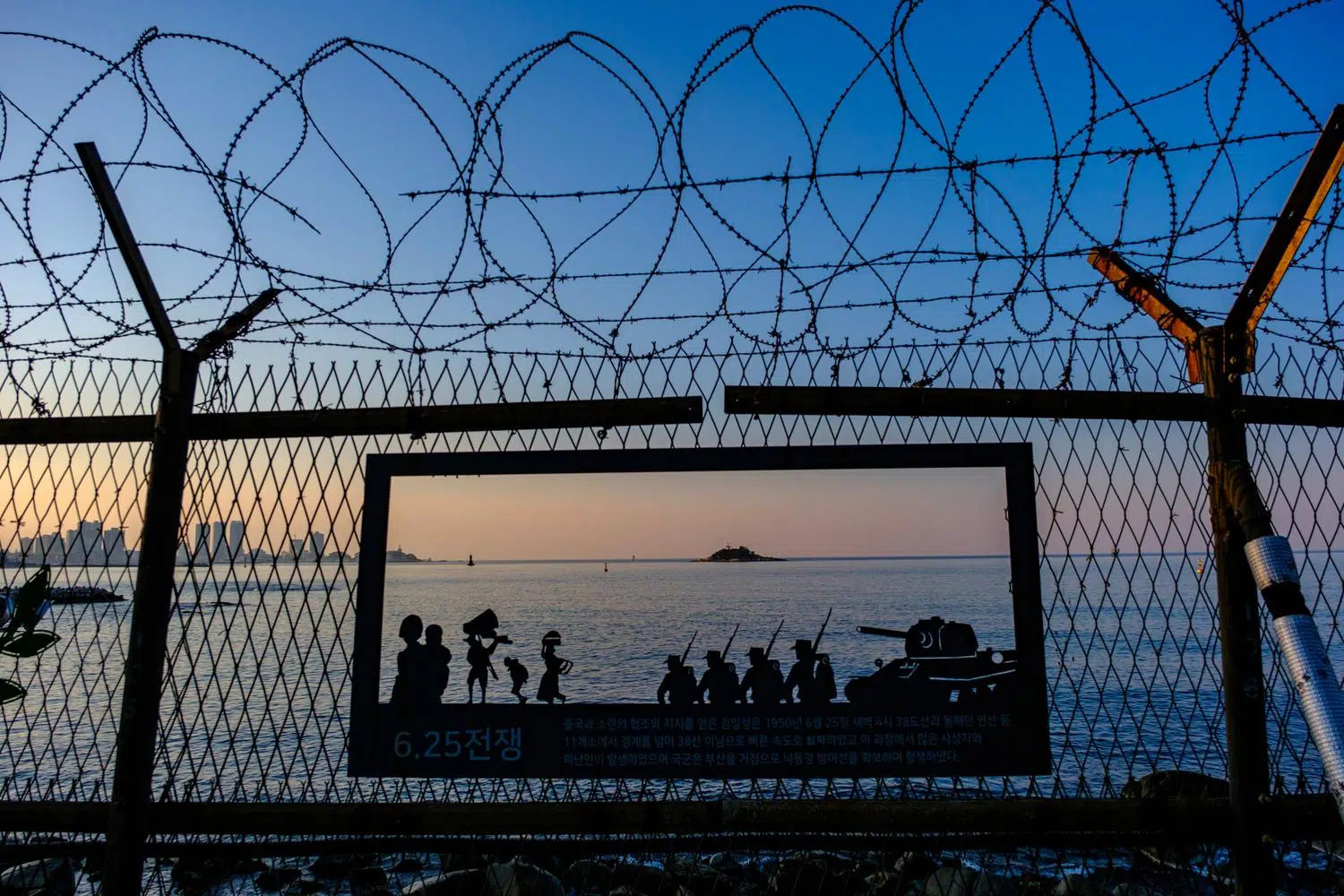
The so-called “DMZ Tourism” emerged from the 1970s onwards, with the gradual opening up of border areas that were previously strictly off-limits to civilians. A key early anchor was Imjingak, a park built in 1972 as a place of remembrance for families separated by the war. From the start it mixed mourning, education, and sightseeing — an imprint that still shapes the area today. The first border observatory to open to the public was the one in Goseong, on the east coast of Korea, in 1984, followed by the Dora Observatory north of Seoul three years later. Meanwhile, the discovery of four infiltration tunnels dug by North Korea under the Demilitarized Zone in preparation for an invasion of the South gave the authorities the idea of transforming these sites into tourist attractions to raise public awareness of the security risks posed by Pyongyang.
It should be noted that when it comes to border tourism in South Korea, conservative governments like to promote “security tourism,” while left-wing governments prefer to talk about “peace tourism.” The two expressions actually mean exactly the same thing. The many travel agents and shop keepers who profit from this don’t care anyway.
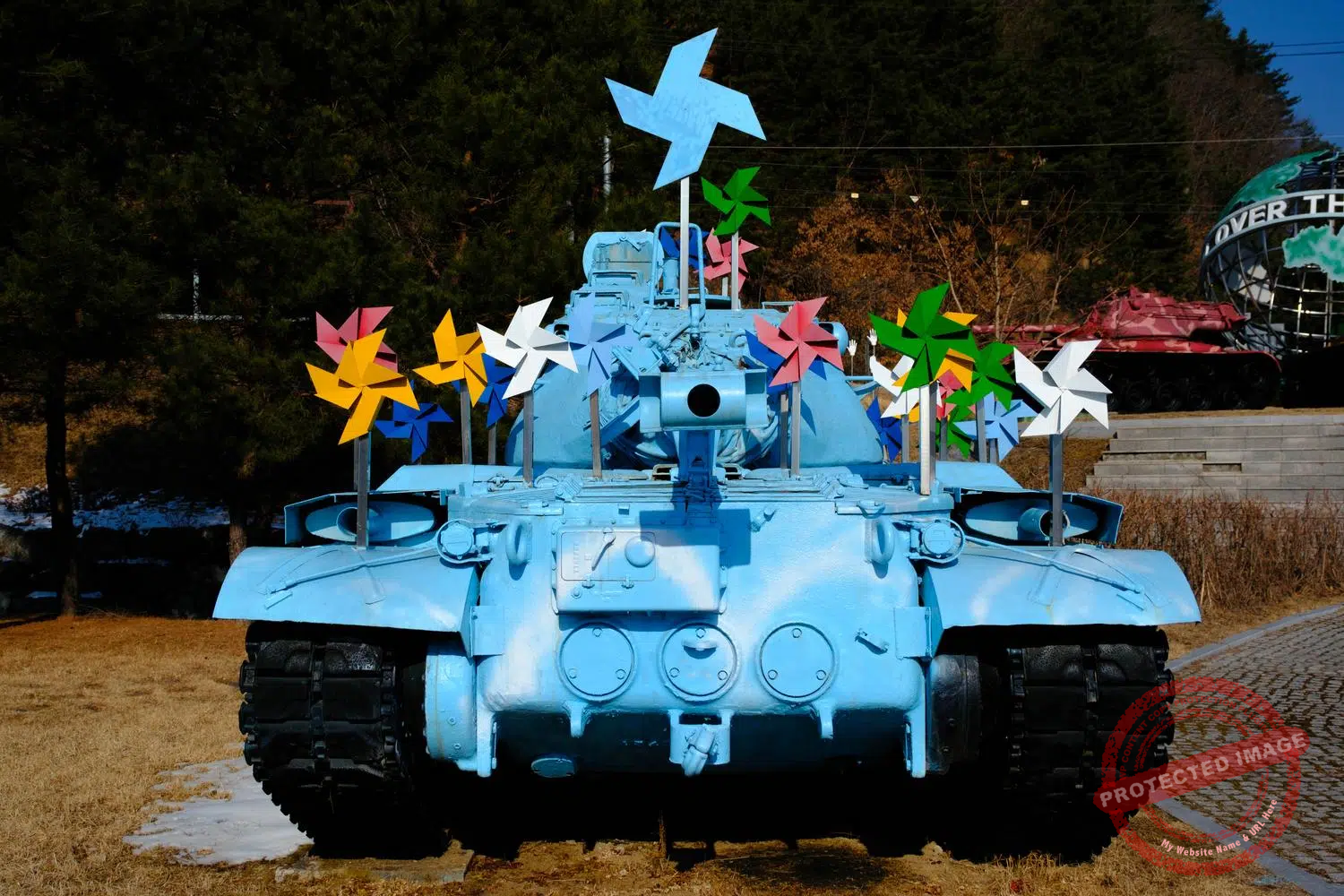
Thanks to, or because of, its proximity to Seoul, just an hour away by bus, Imjingak has become the archetype of a tourist factory. Over the years, all kinds of border-related attractions have been added to the original places of contemplation, from a “DMZ Gondola” to a virtual experience center and even a small amusement park equipped with a giant pirate ship swing, all seasoned with countless fast-food restaurants, selfie spots and souvenir shops selling grenade-shaped water bottles, magnets warning of minefields, North Korean banknotes or rifle bullet key chains. In 2025, a new attraction opened there: a “North Korean Experience Center” where, for an admission fee, visitors can meet genuine North Korean defectors.
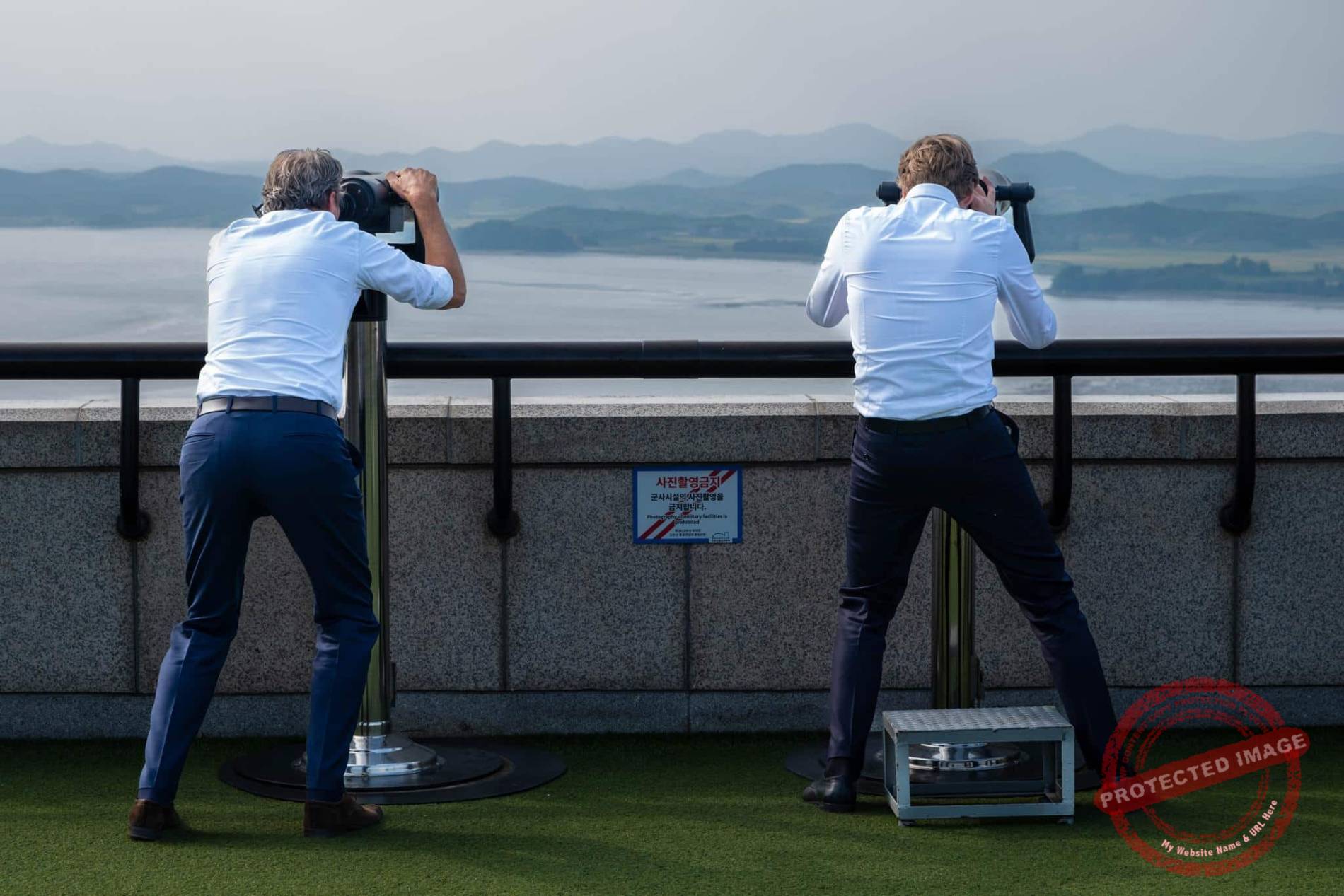
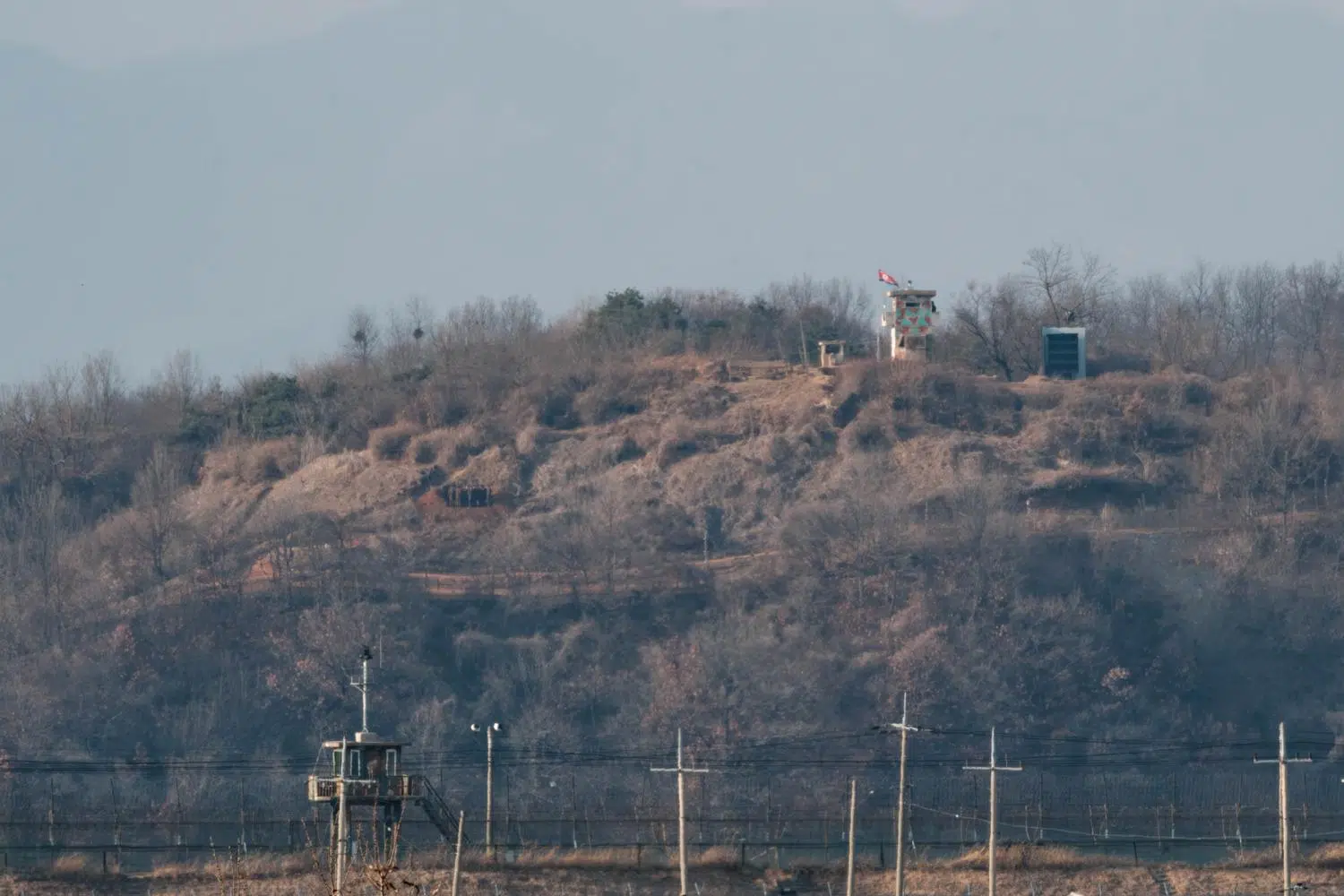
The paradox is that it is impossible to see North Korea from Imjingak: to do so, you have to go to the Dora Observatory, a few kilometers inside the Civilian Control Zone, from where you can enjoy a panoramic view of the North Korean city of Kaesong. Most one-day tours organized from Seoul stop at Dora and the nearby Third Infiltration Tunnel after visiting Imjingak (though they usually don’t stay there long, as turnover is high).
Since 2024, Imjingak has had a serious competitor: a Starbucks Cafe that opened in Aegibong, right in the Civilian Control Zone facing North Korea across the Han River Estuary. Hordes of tourists flock there every day to photograph their capitalist-style chiaramello macchiato or ice americano with the Workers’ Paradise in the background, as part of packages that also include duty-free shopping at a giant mall in Paju.
Dozens of travel agencies offer so-called “DMZ Tours” departing from Seoul, for better or for worse. Taking one of these day trips is always a disconcerting experience in many ways, where you spend your time wondering how much of it is meant to be taken at face value and how much is meant to be taken with a grain of salt, both by those who designed these attractions along the tragic Korean border and those who use them.

Third Infiltration Tunnel (November 2024).
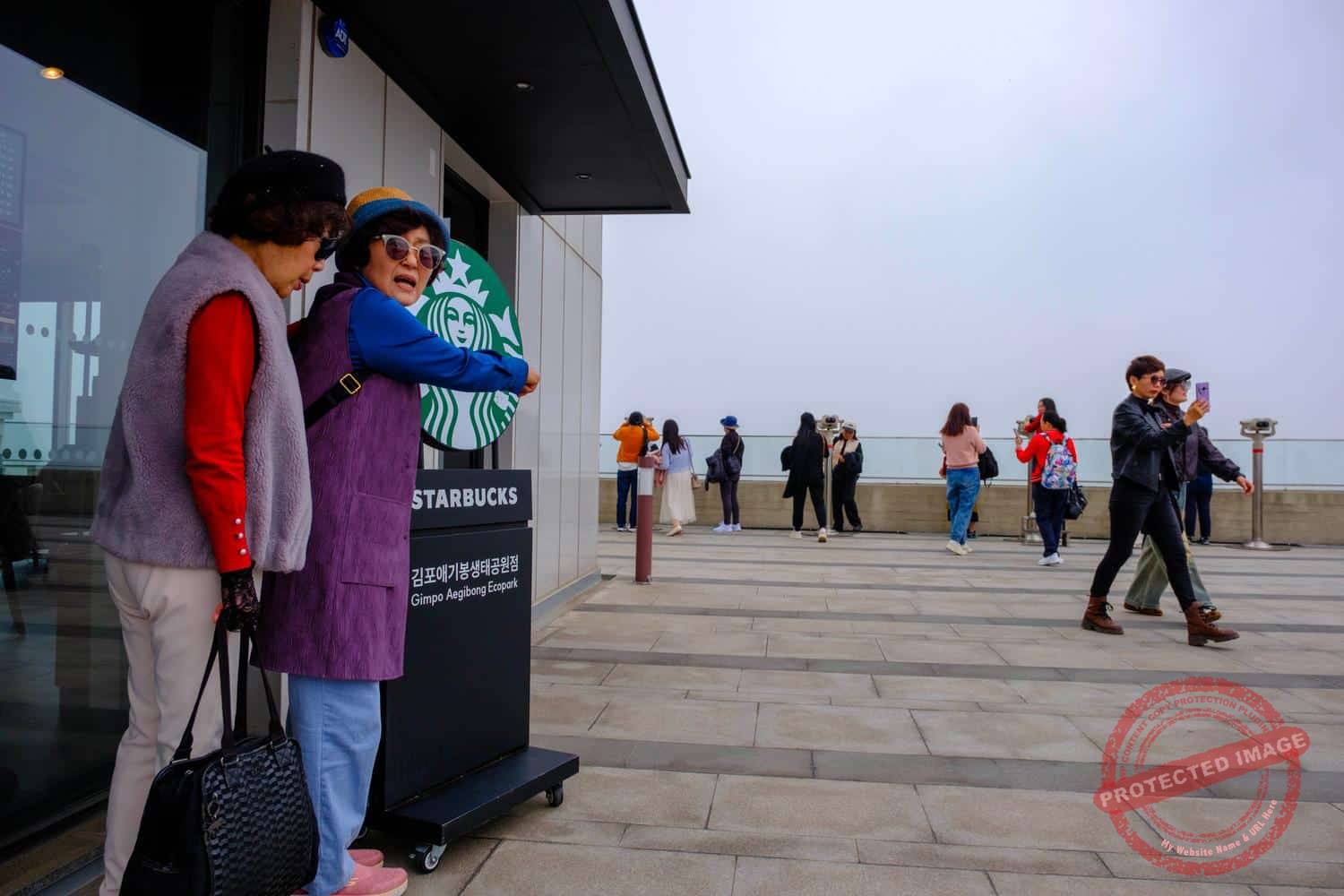
Jogang Observatory Starbucks Cafe, Gimpo City (April 2025).
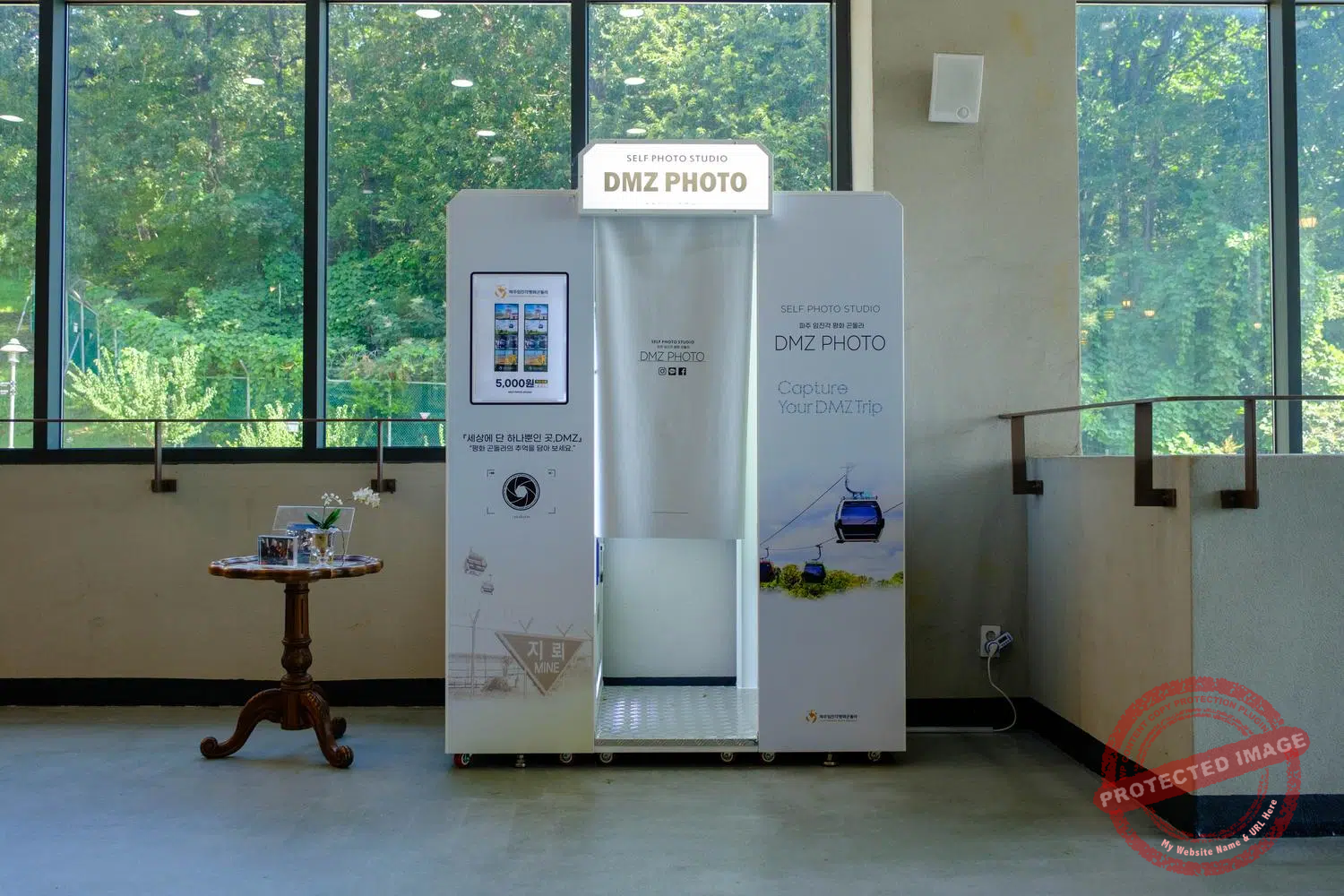
Imjingak (September 2025).
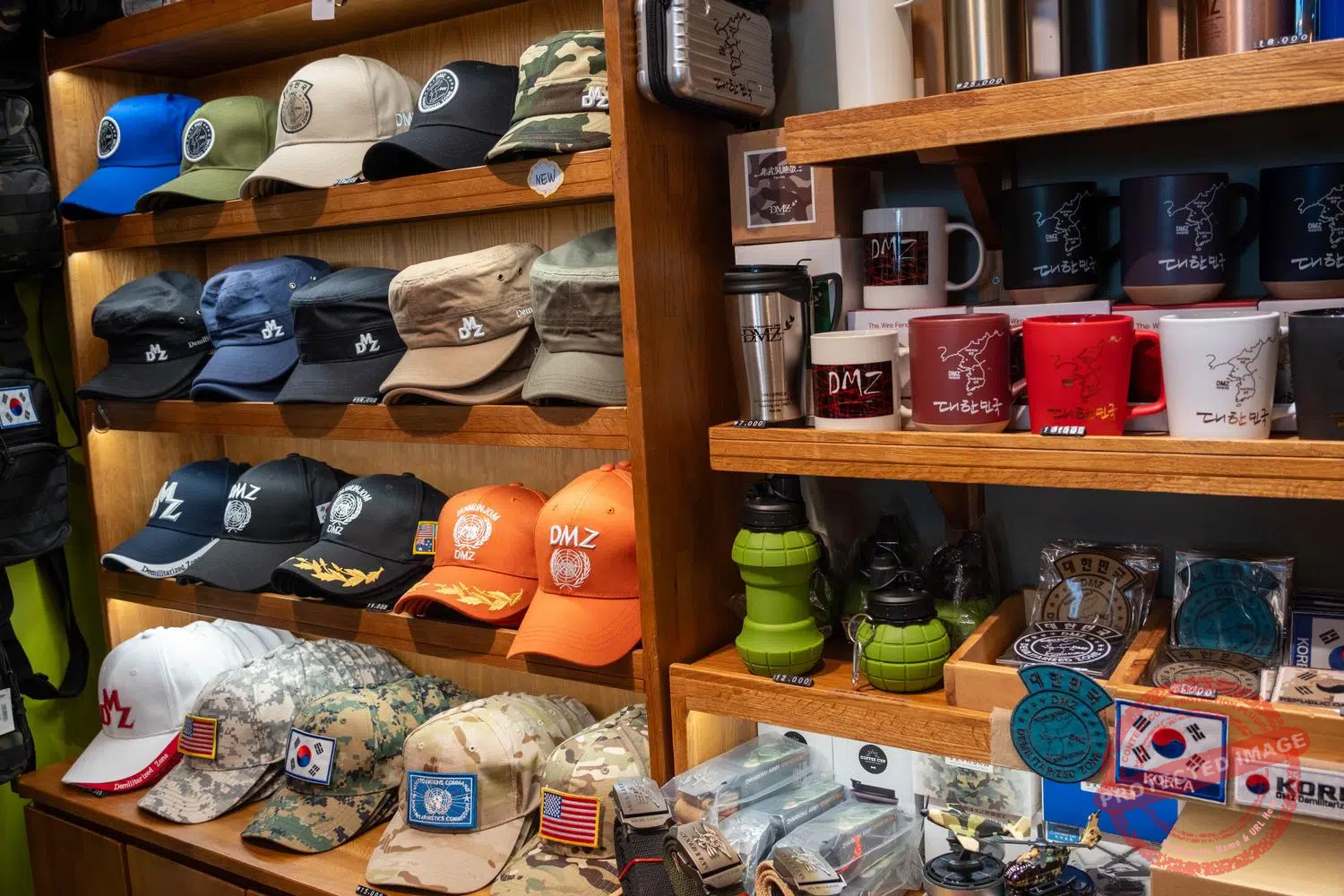
Imjingak (September 2024).
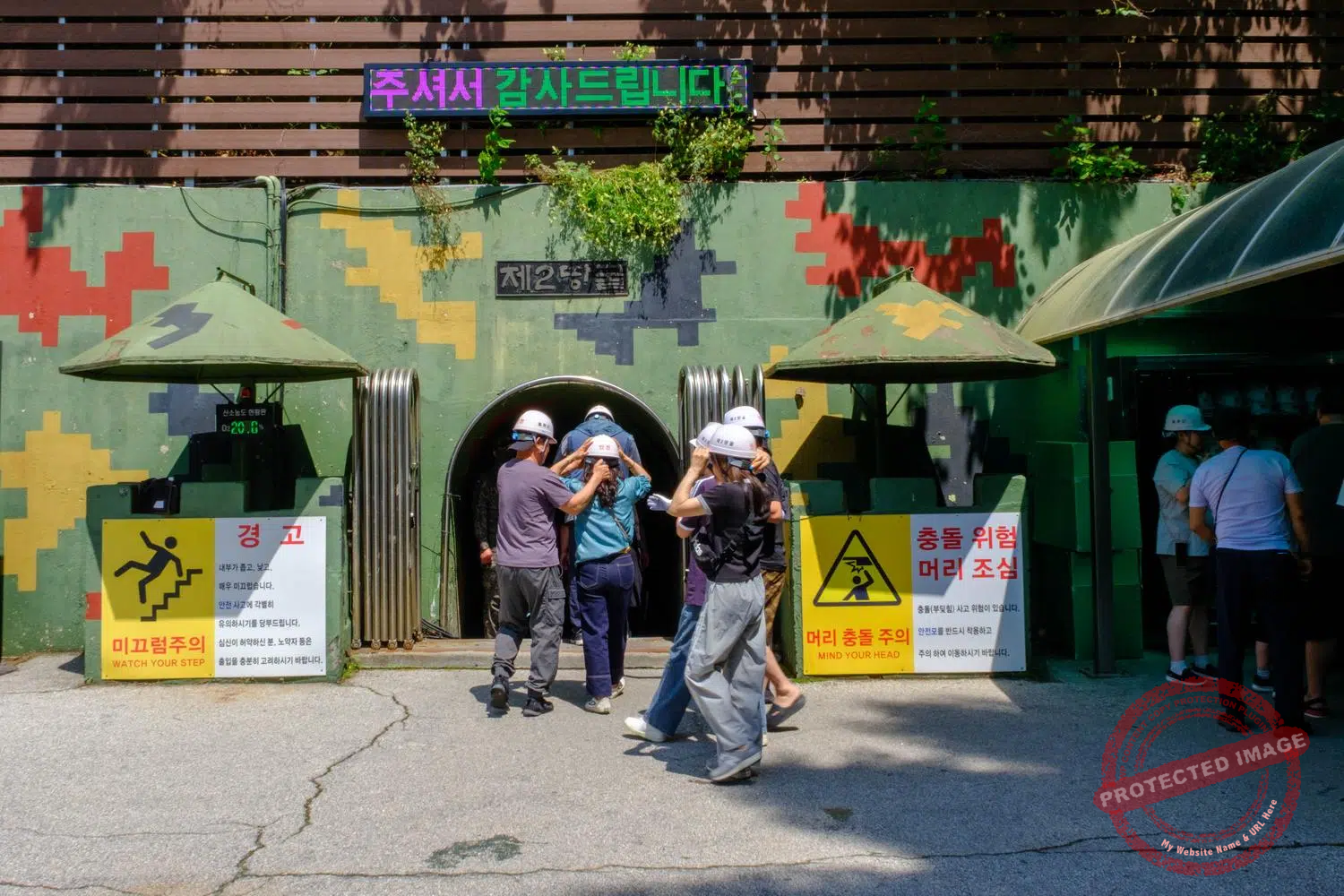
Second Infiltration Tunnel, Cheorwon (June 2025).
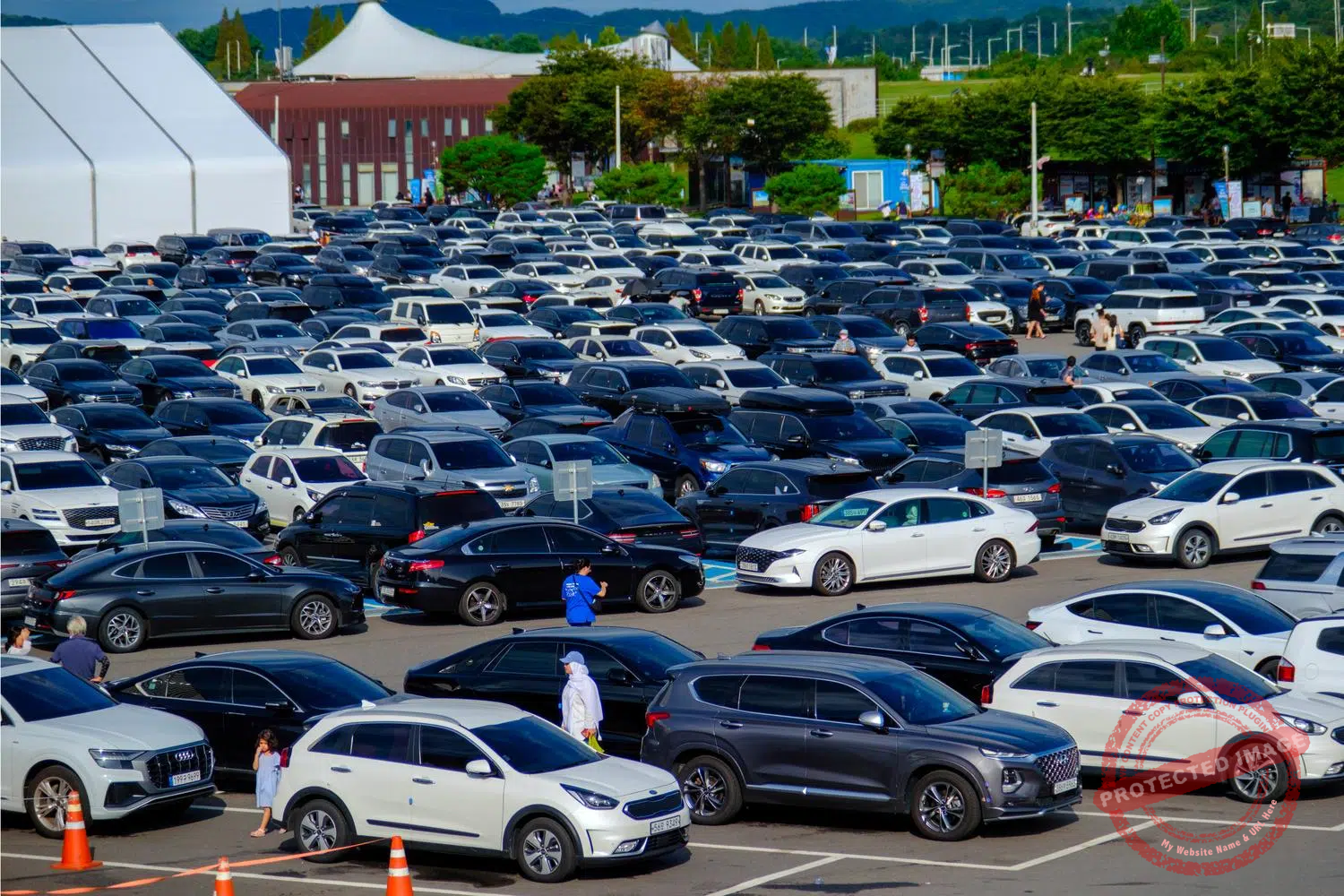
Imjingak (September 2024).
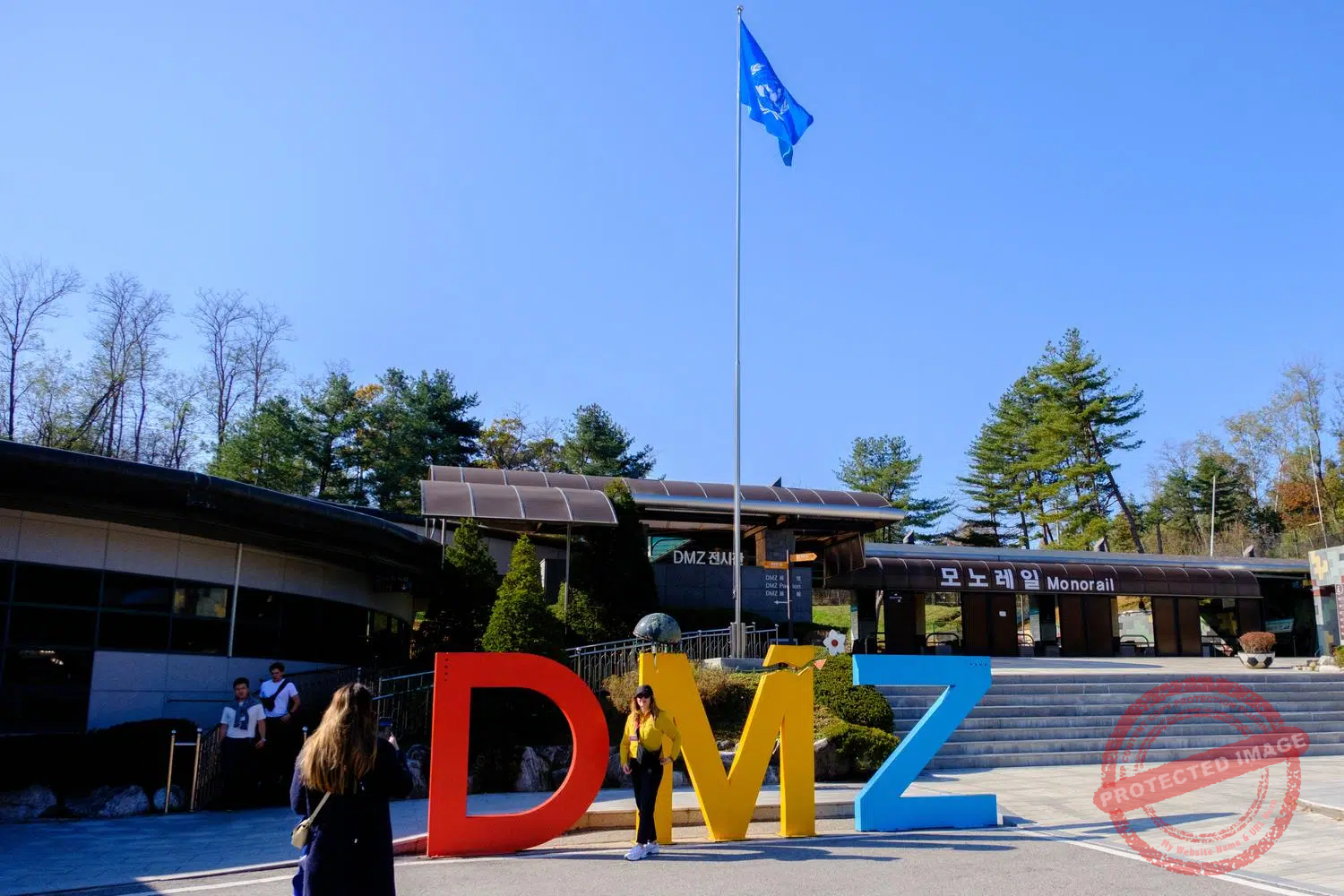
Third Infiltration Tunnel (November 2024).
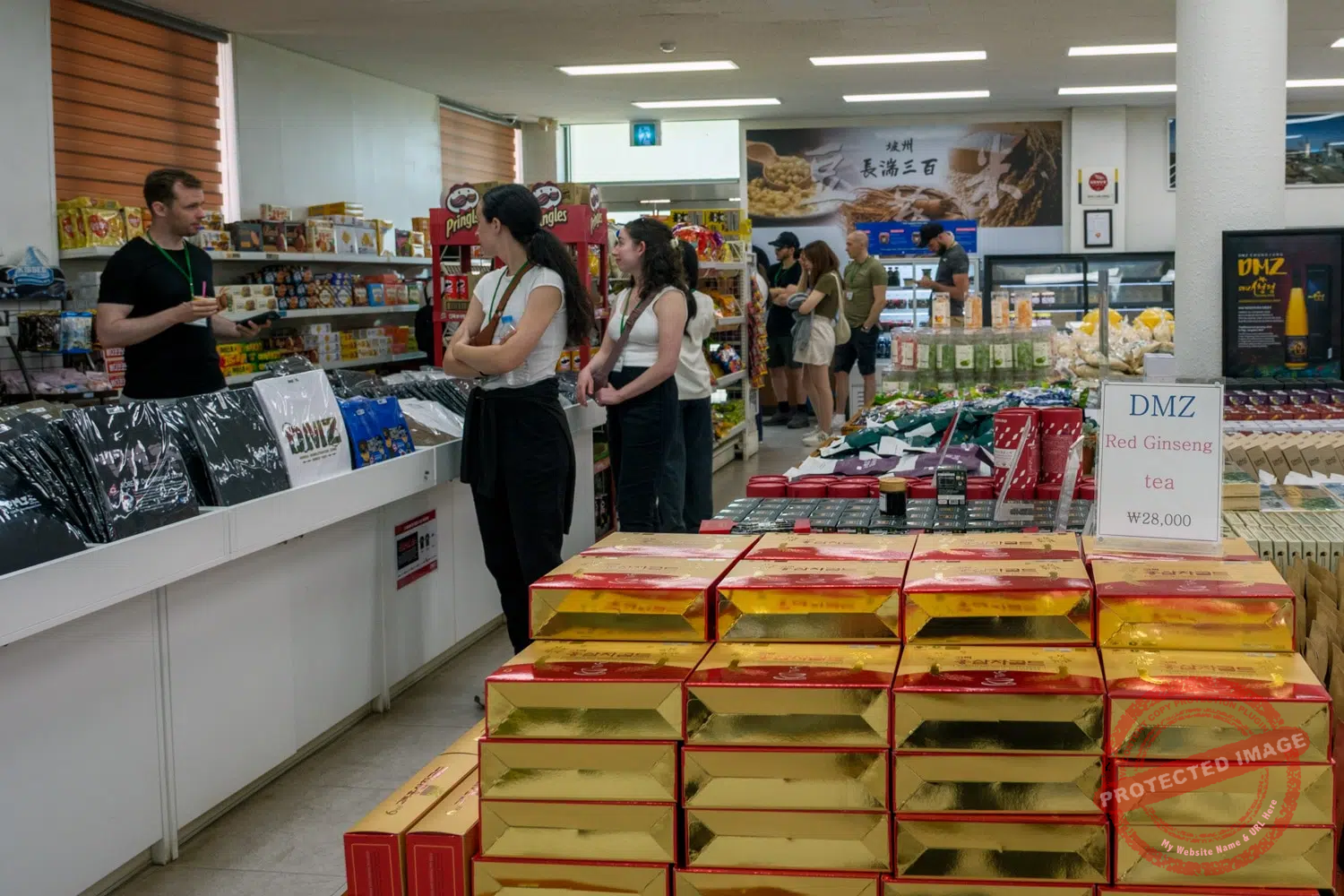
Tongilchon, Paju City (May 2025).

Joint Security Area (November 2005).
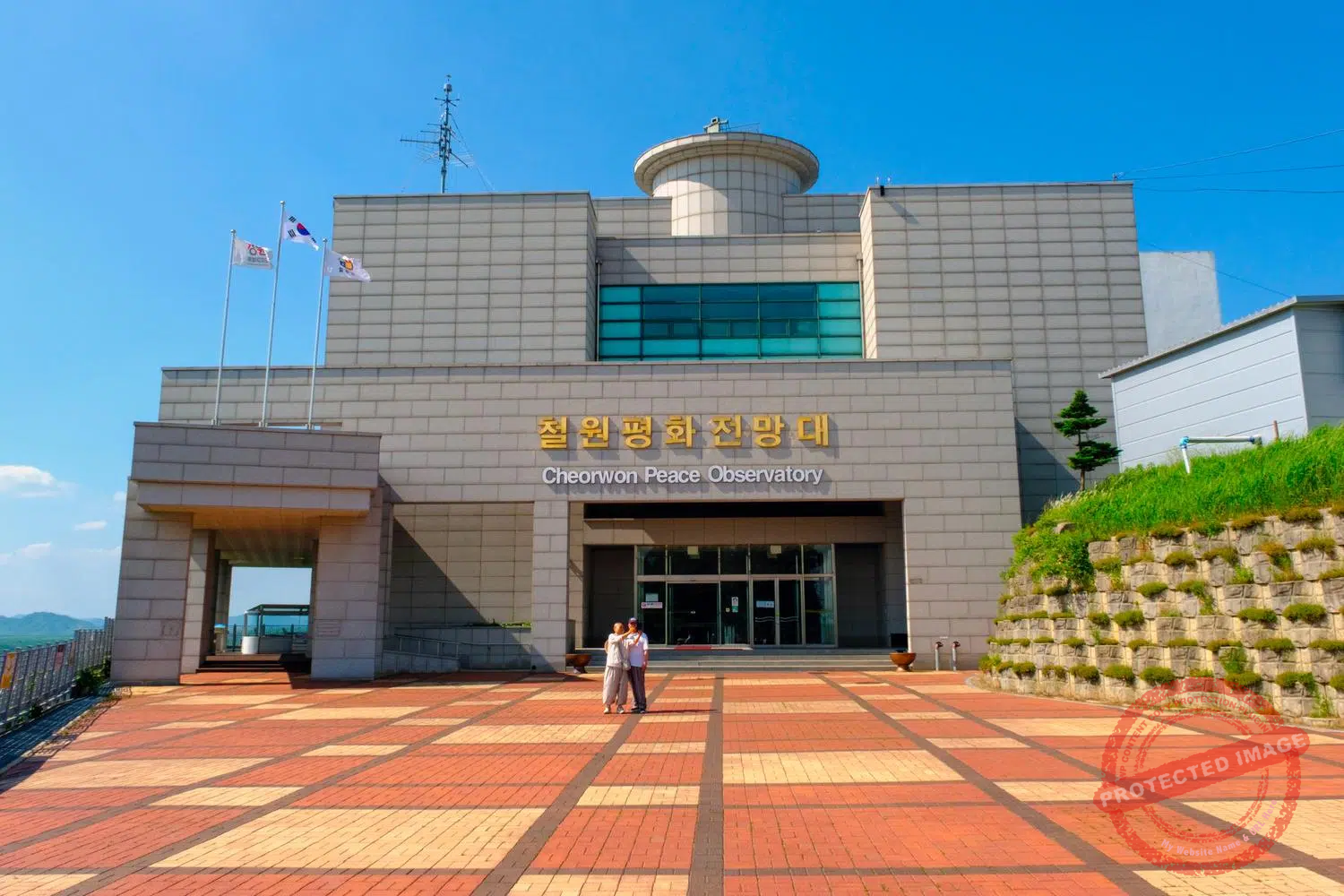
Cheorwon (June 2025).
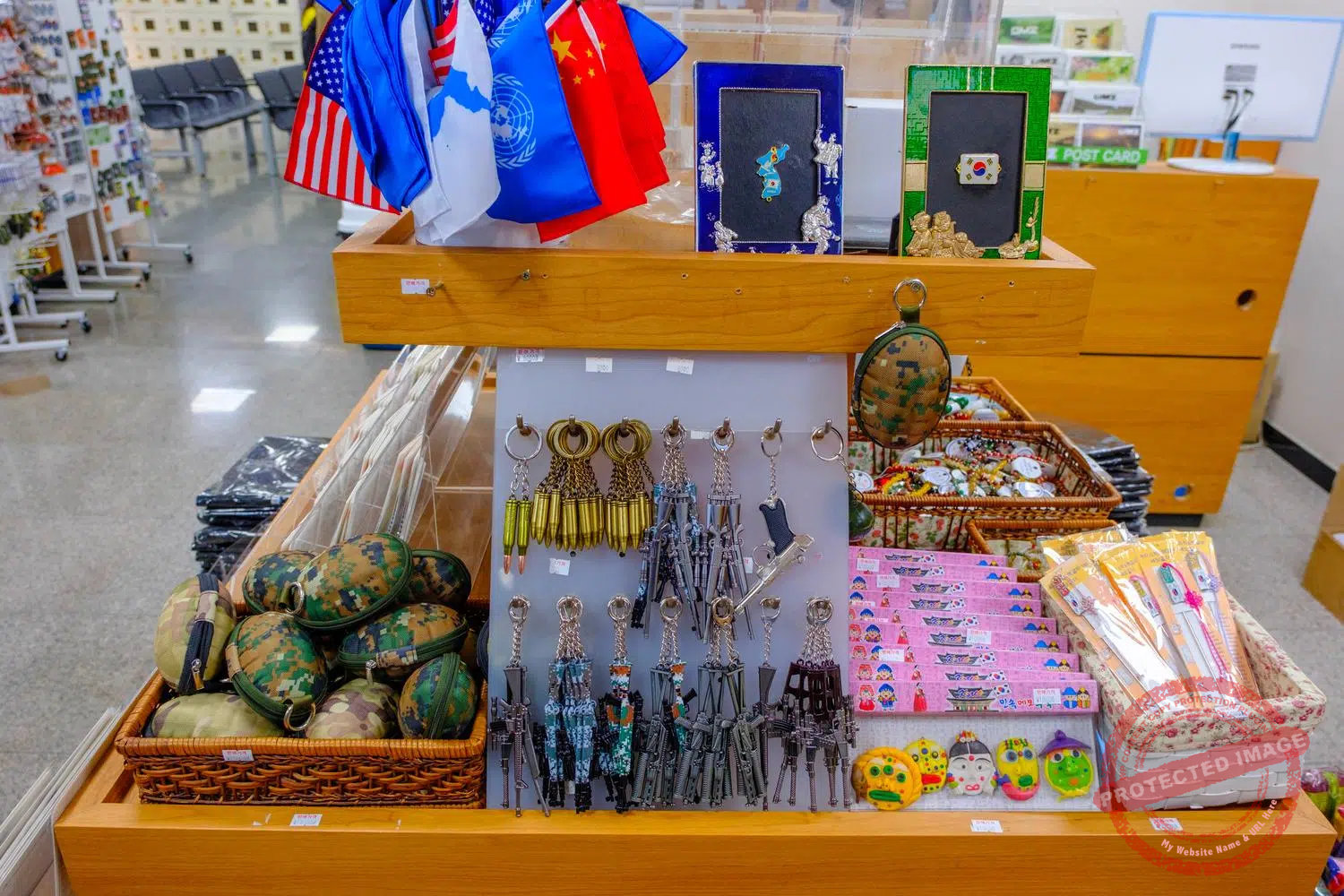
Third Infiltration Tunnel (November 2024).
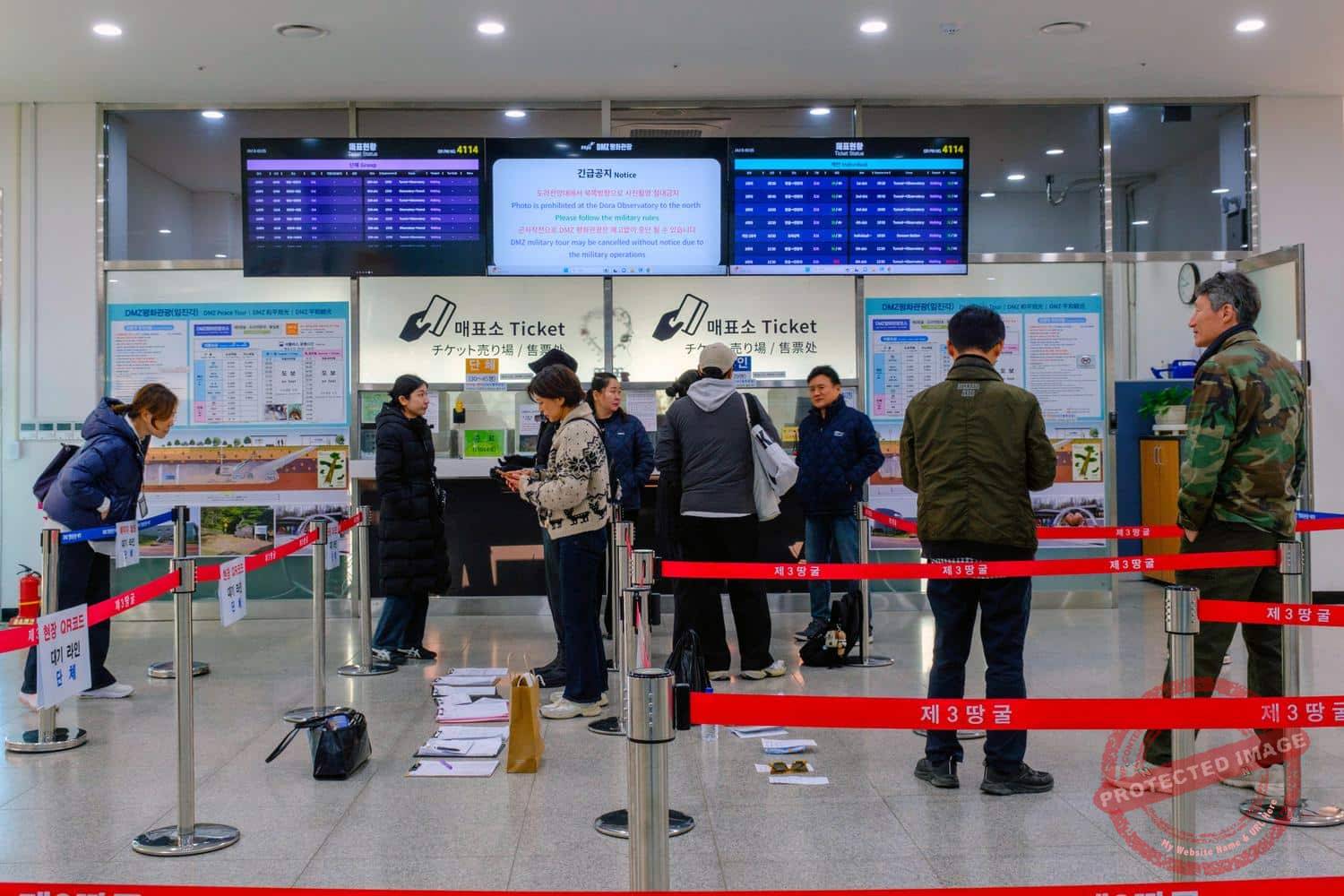
Imjingak (November 2024).
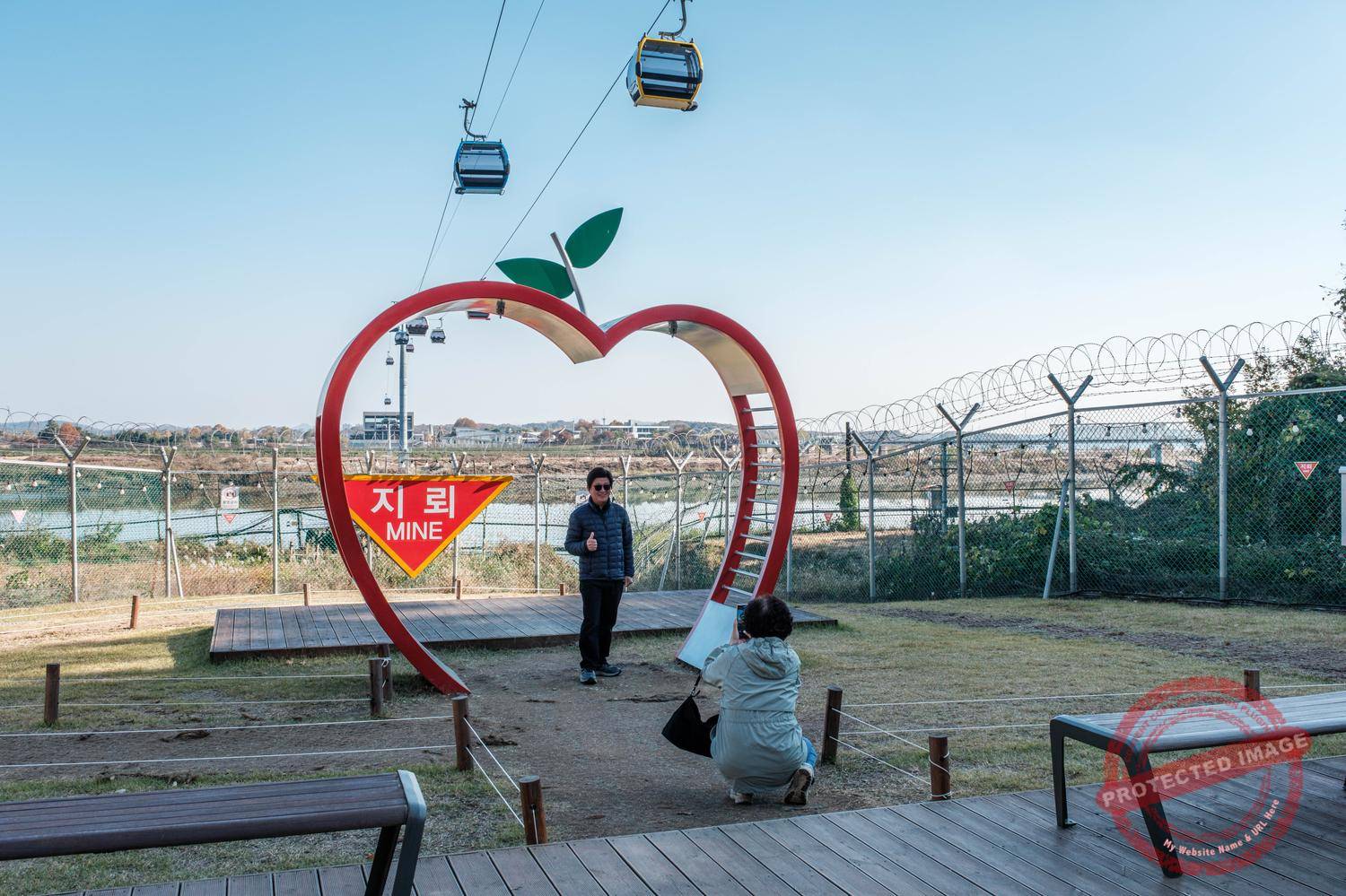
Imjingak (November 2024).
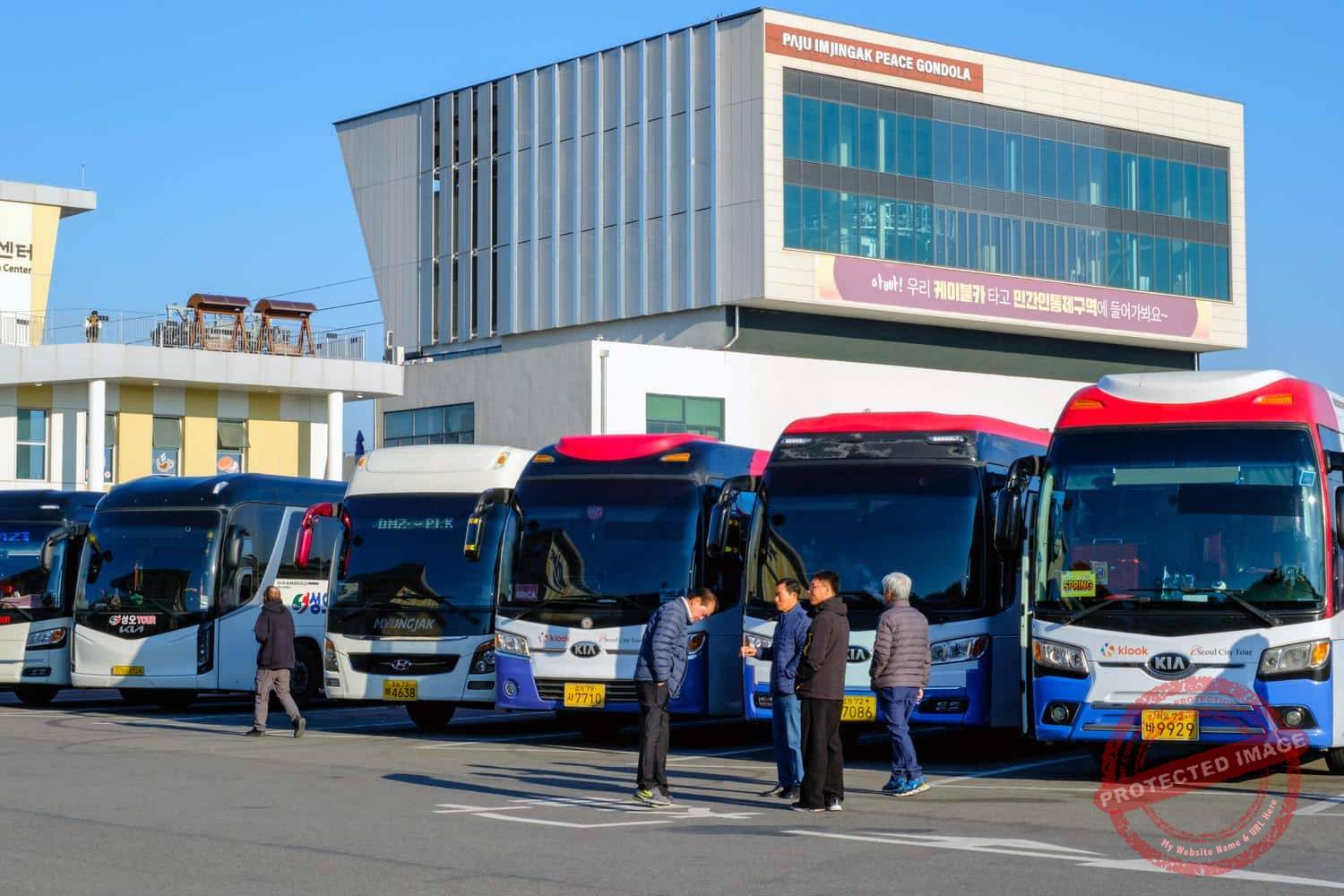
Imjingak (November 2024).
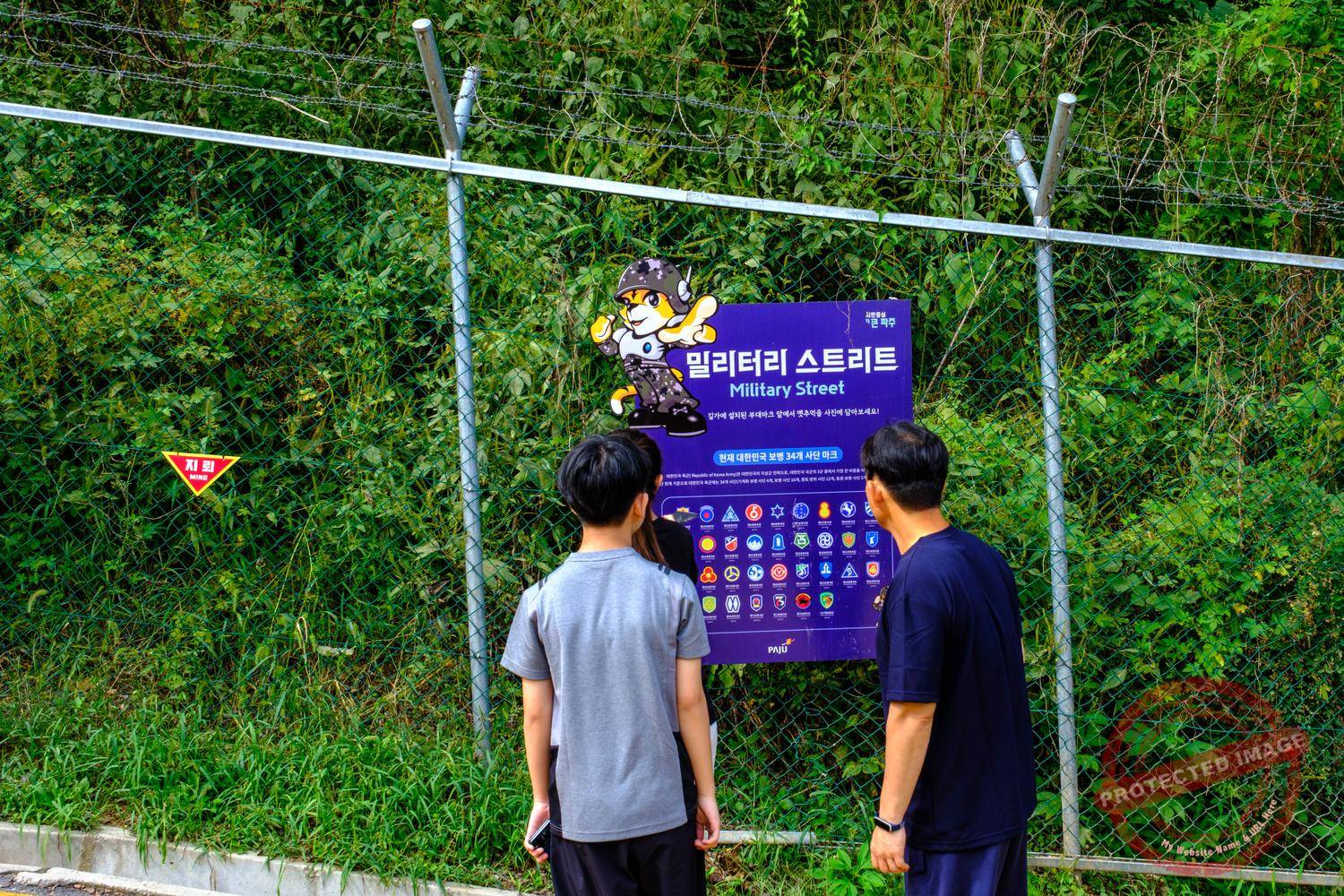
Imjingak (September 2024).
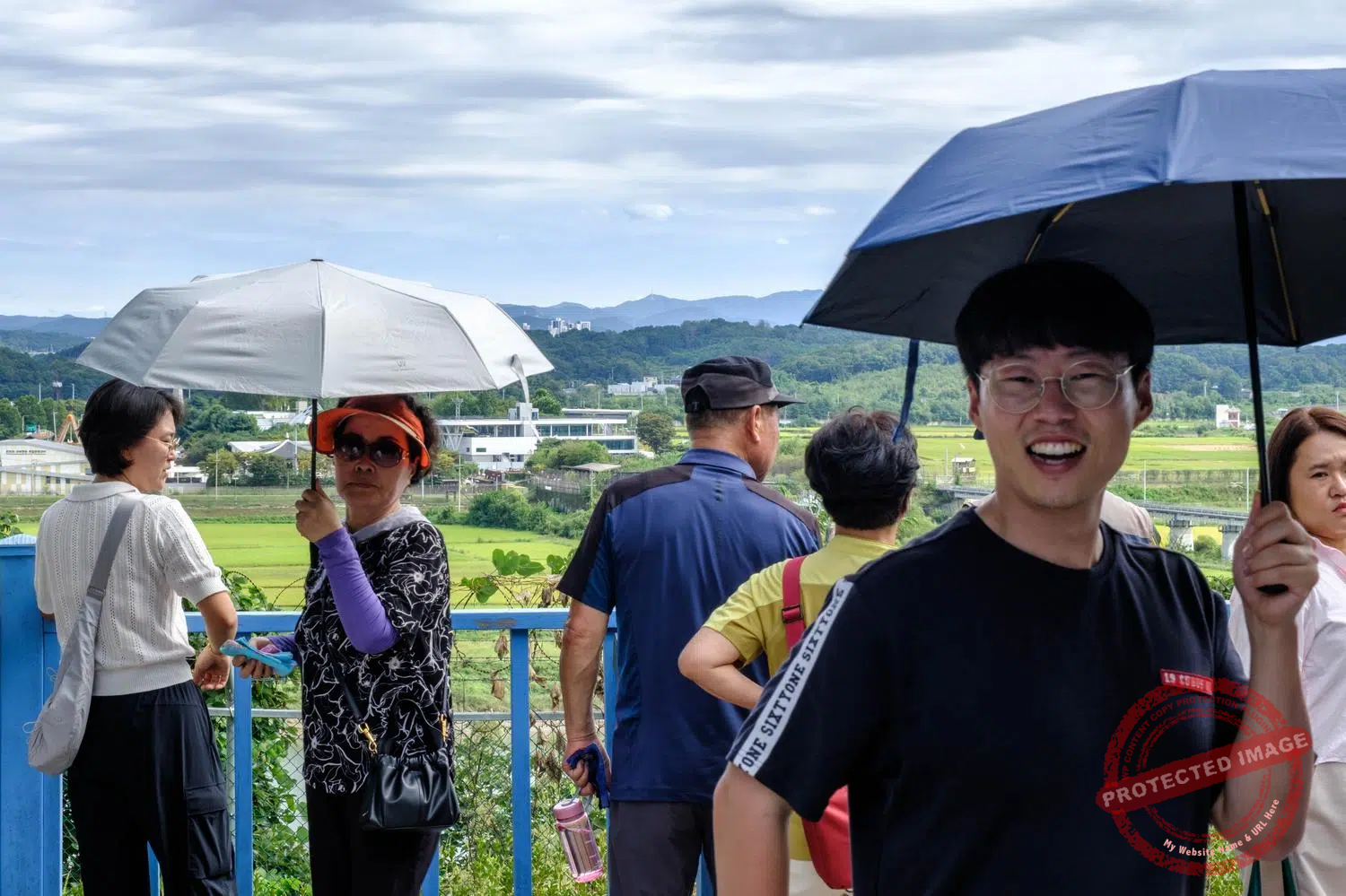
Imjingak (September 2024).
This post was last updated on : April 26, 2026.